
Gulf of Paria widens as Trinidad pours oil on troubled Venezuelan waters
Gulf of Paria widens as Trinidad pours oil on troubled Venezuelan waters The May 1 Oil Spill in Shared Waters On May 1 a spill of exactly 10 barrels occurred in waters that Venezuela identifies as originating from Trinidadian territory and entering the Gulf of Paria. The Venezuelan Environment Minister stated that this volume reached shared ecosystems and requested immediate in
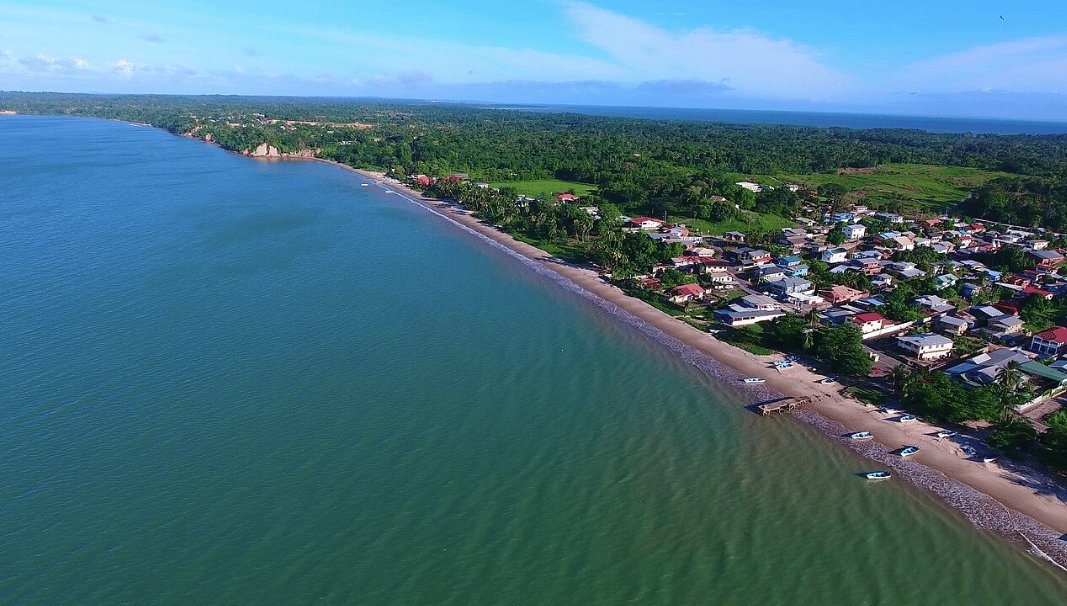
The May 1 Oil Spill in Shared Waters
On May 1 a spill of exactly 10 barrels occurred in waters that Venezuela identifies as originating from Trinidadian territory and entering the Gulf of Paria. The Venezuelan Environment Minister stated that this volume reached shared ecosystems and requested immediate information along with compensation for any damage. Trinidad and Tobago’s Ministry of Energy recorded the same incident as a contained release of 10 barrels that was stopped within hours.
Residents in Cedros and Icacos noticed the slick close to their coastline the following morning. Fisherfolk from Point Fortin reported reduced catches in the days after the spill reached their usual grounds. The Ministry of Energy confirmed that booms were deployed at the source and that the 10 barrels did not spread beyond the initial containment area.
The Gulf of Paria supports shrimp and finfish populations that feed families in south-west Trinidad. A release of 10 barrels can coat mangrove roots and reduce oxygen in shallow feeding zones used by juvenile fish. Local crews in Cedros noted fewer baitfish near the shore in the week following the incident.
Venezuela’s Demand for Information and Compensation
The Venezuelan Environment Minister sent a formal note to Port of Spain asking for the precise origin of the 10 barrels and for an assessment of harm to the shared gulf. The note described the spill as a risk to mangroves and fisheries on both sides of the maritime boundary. Caracas requested a joint survey to measure any lasting effects on water quality.
Ministry officials in Trinidad replied that the 10 barrels were fully recovered and posed no ongoing threat. They offered to share the incident log and photographs taken at the site. The response emphasised that the volume was small enough to be handled by existing local equipment without external assistance.
Trinidad’s Ministry of Energy stated that the spill originated from a platform under its regulatory oversight and that all required notifications were completed within the first 24 hours. The Venezuelan Environment Minister maintained that further data on currents and sediment samples were still needed before the matter could be closed.
Trinidad’s Account of a Minor and Contained Event
The Ministry of Energy described the release as 10 barrels of crude that stayed within a 200-metre radius of the platform. Response teams used absorbent pads and skimmers to lift the oil from the surface before nightfall on May 1. No oil reached the shoreline of Trinidad according to the official report.
Staff from the Institute of Marine Affairs visited the area on May 2 and collected water samples at three points around the platform. Their preliminary readings showed hydrocarbon levels returning to background concentrations within 48 hours. The Ministry of Energy shared these results with the Venezuelan Environment Minister as part of the ongoing exchange.
Point Fortin fishers nevertheless observed a thin film on the water near their moorings on May 3. They collected samples themselves and delivered them to the Institute of Marine Affairs for testing. The Ministry of Energy agreed to include these community samples in the final incident file.
Effects on the Gulf of Paria Ecosystem from 10 Barrels
Ten barrels of crude can form a slick covering several hundred square metres and can smother plankton that form the base of the gulf food chain. In shallow areas near Cedros this coating reduces light penetration and slows the growth of seagrass beds used by juvenile snapper. The Venezuelan Environment Minister cited these risks when requesting compensation for possible long-term losses.
The Institute of Marine Affairs noted that even a small volume can persist in sediment if it reaches mangrove forests on either coast. Samples taken after the May 1 incident showed trace amounts in mud near Icacos, prompting a follow-up survey scheduled for the end of the month. Trinidad’s Ministry of Energy committed to funding half the cost of that survey.
CARICOM’s environment desk offered to send an independent observer to verify the sampling methods used by both countries. The Venezuelan Environment Minister welcomed the proposal while the Trinidadian side requested that the observer also review response logs from the platform operator.
Impact on Fishing Communities in Cedros, Icacos and Point Fortin
Families in Cedros rely on daily catches of shrimp and croaker that move through the same channels where the 10 barrels were released. After the spill several boats stayed at the dock for three days while crews checked for oil on their nets. The Ministry of Energy provided fuel vouchers to offset lost income during that period.
In Icacos elders recalled earlier spills and worried that another 10 barrels could push already stressed stocks further down. They asked the Institute of Marine Affairs to post weekly updates on water quality so that decisions about going to sea could be made with current information. The Ministry of Energy agreed to publish those updates on its website.
Point Fortin vendors who sell fresh fish at the market reported a 15 percent drop in sales in the first week of May. They attributed the decline to customer concern rather than any measured contamination. The Ministry of Energy invited vendors to attend a briefing where the 10-barrel volume and containment measures were explained in detail.
Diplomatic Exchange Between the Two Governments
The Venezuelan Environment Minister’s note framed the spill as a shared resource issue requiring joint monitoring. Trinidad’s Ministry of Energy answered that existing bilateral agreements already cover such incidents and that the 10 barrels fell below the threshold for formal notification under those accords. Both sides continued to exchange technical data through established channels.
CARICOM offered to host a technical meeting in Port of Spain within 30 days to review the sampling results and discuss any compensation claim. The Venezuelan Environment Minister accepted the invitation while requesting that the agenda include sediment testing near the Venezuelan coast. Trinidad confirmed it would send the Institute of Marine Affairs team with full datasets.
The exchange has so far remained focused on the single 10-barrel release and has not expanded into broader maritime boundary questions. Officials on both sides stated that keeping the conversation narrow increases the chance of a practical resolution before the next fishing season begins.
Next Steps for Monitoring and Community Involvement
The Institute of Marine Affairs will place additional buoys in the Gulf of Paria to track any movement of residual oil from the May 1 incident. Data from these buoys will be shared with fishing associations in Cedros, Icacos and Point Fortin on a weekly basis. The Ministry of Energy will cover the cost of the extra equipment.
Community meetings scheduled for the last week of May will allow residents to ask questions directly of the Venezuelan Environment Minister’s technical team and Trinidad’s Ministry of Energy staff. Translation services will be provided so that discussions remain accessible to all participants.
Both governments have agreed that any future spill above five barrels will trigger an automatic joint inspection within 24 hours. This new threshold reflects the concern raised by the current 10-barrel event and aims to prevent similar diplomatic exchanges from arising again.
By Sharon Sahatoo, Staff WriterThis article was produced with AI-assisted research and editorial support. Reporting is based on sources cited in the article.
What's Your Reaction?
 Like
0
Like
0
 Dislike
0
Dislike
0
 Love
0
Love
0
 Funny
0
Funny
0
 Wow
0
Wow
0
 Sad
0
Sad
0
 Angry
0
Angry
0

Caribbean Correspondent at Global1.News. Based in Port of Spain, Trinidad, covering Caribbean politics, economy, energy, climate, and culture. Amplifying the voices and stories of the Caribbean region.










Comments (0)