
Gulf of Paria Oil Spill Exposes Cross-Border Environmental Concerns
The Spill That Crossed a Boundary On the morning of May 1 at precisely 7:25am, Heritage Petroleum operators detected an oil spill at the Main Field location in the Gulf of Paria. The incident involved an estimated ten barrels of crude that escaped into the surrounding waters, though Venezuelan authorities have strongly disputed this volume from the outset. Quick action allowed
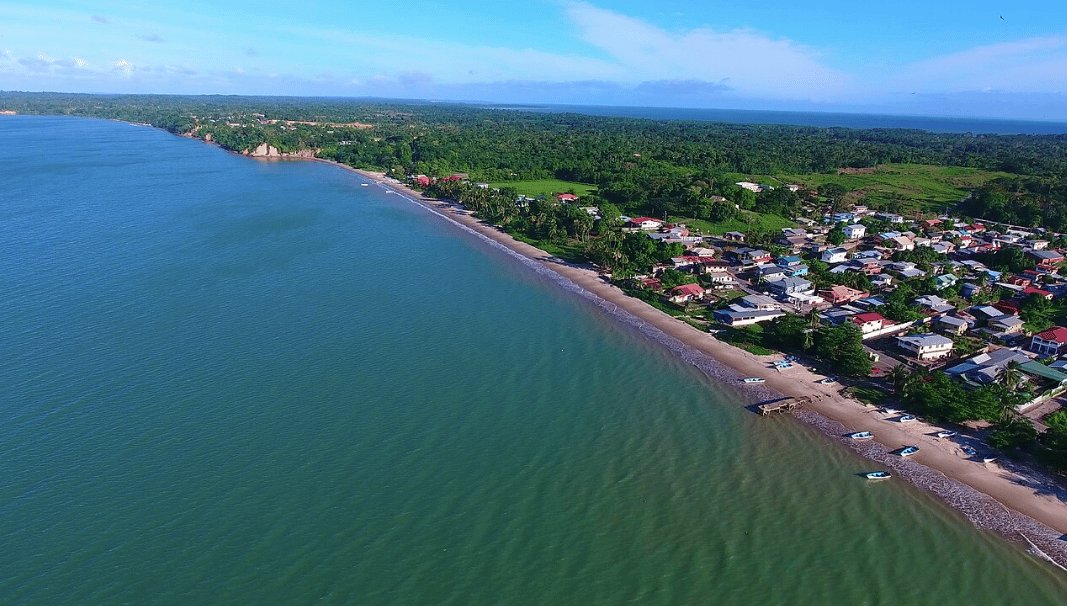
The Spill That Crossed a Boundary
On the morning of May 1 at precisely 7:25am, Heritage Petroleum operators detected an oil spill at the Main Field location in the Gulf of Paria. The incident involved an estimated ten barrels of crude that escaped into the surrounding waters, though Venezuelan authorities have strongly disputed this volume from the outset. Quick action allowed crews to stop the leak on the same day, with full repairs completed by May 2. Trinidad and Tobago trajectory modelling immediately indicated a clear risk that the slick could travel across the maritime boundary into Venezuelan territory. This early assessment highlighted how even a modest release can create wider regional ripples when ocean currents are factored in. Local energy teams worked swiftly to contain the situation before it escalated further. Neighbouring communities in south Trinidad watched developments with quiet concern as reports filtered through official channels.
The spill occurred in waters that have long supported both energy production and traditional fishing livelihoods across the shared gulf. Heritage Petroleum crews deployed initial containment measures right away, focusing on preventing further discharge from the affected wellhead. Despite the relatively small estimated volume, the location near the border raised immediate questions about potential drift. Modelling exercises conducted by Trinidad and Tobago experts showed prevailing currents could carry traces of oil westward within hours. This possibility prompted early internal discussions about notifying regional partners, though no public statement emerged at that stage. The event unfolded against a backdrop of ongoing maintenance challenges in the mature Main Field area. Workers on site described the response as methodical yet tense given the proximity to international waters.
By the afternoon of May 1, the situation appeared under control after the leak source was isolated and secured. Repairs the following day involved replacing damaged components and verifying the integrity of surrounding infrastructure. Throughout this period, the focus remained on operational containment rather than broader environmental communication. The ten-barrel estimate stood as the official Trinidad and Tobago figure, while Venezuelan observers questioned whether the true release might have been larger based on their own observations. Such differing assessments set the stage for later diplomatic friction. Fishermen operating near the area noted unusual sheens on the water surface in the days immediately following the incident. These early sightings went largely unreported in mainstream local media until external pressure mounted.
The Gulf of Paria has served as a vital energy corridor for decades, yet its shared nature demands careful coordination between the two nations. In this case, the trajectory modelling clearly flagged the possibility of transboundary movement, underscoring the need for transparent information sharing from the beginning. Heritage teams completed their repairs efficiently, returning the facility to normal operations by May 2. However, the absence of immediate cross-border alerts left room for speculation once satellite evidence surfaced later. The incident reminded everyone involved how quickly a localised problem can assume international dimensions when ocean dynamics are considered. Coastal residents in both countries rely on the gulf for their daily sustenance and economic activity. This reality added emotional weight to what began as a routine industrial alert.
Trinidad's Containment Response
Following detection, Trinidad and Tobago authorities moved rapidly to deploy chemical dispersants in the affected zone. These operations took place between six and eight nautical miles from the Venezuelan maritime border, reflecting careful calculations to minimise further drift. The dispersants were chosen to break down the oil slick before it could travel significant distances. Modelling data guided these decisions, showing that timely application could reduce the risk of shoreline impacts on either side. Response vessels remained on station for several days to monitor effectiveness and conduct follow-up assessments. Environmental officers from the Ministry of Energy coordinated with Heritage Petroleum to ensure protocols were followed precisely. This coordinated effort demonstrated the technical capacity available within the local energy sector.
The decision to use chemical dispersants came after thorough evaluation of weather conditions and current patterns in the gulf. Teams worked around the clock to apply the substances in a controlled manner that avoided sensitive marine habitats where possible. Although the estimated spill volume remained small, the proximity to the border necessitated extra caution in every step of the response. Local experts noted that dispersants have been part of standard procedure for such incidents in Trinidad waters for many years. Monitoring buoys were placed to track any remaining oil movement after the initial treatment. The overall programme aimed to protect both Trinidadian and Venezuelan interests in the shared marine space. Such measures reflected an understanding that environmental incidents rarely respect political boundaries.
Repairs completed on May 2 allowed operations to resume under heightened surveillance protocols. Heritage Petroleum conducted additional integrity checks across the Main Field to prevent similar occurrences. The containment phase involved collaboration between company personnel and government regulators who reviewed every aspect of the response. Dispersant deployment was logged meticulously, with quantities and locations recorded for future reference. This documentation later proved valuable when questions arose about the spill's full extent. The response highlighted the importance of having robust emergency plans in place for offshore facilities. Communities along the south coast breathed a sigh of relief once the immediate threat appeared contained.
Throughout the containment efforts, emphasis was placed on protecting the rich biodiversity of the Gulf of Paria. Response teams avoided areas known for high concentrations of marine life during dispersant application. The six-to-eight-nautical-mile buffer from the Venezuelan border was strictly observed to prevent any perception of cross-boundary impact. Regular updates were shared internally within Trinidad and Tobago government circles, though these remained confidential at the time. The successful stoppage of the leak within hours of detection was viewed as a positive outcome by industry standards. Still, the episode served as a reminder that even well-managed operations carry inherent risks in such a sensitive location. Future planning will likely incorporate lessons from this event to strengthen regional cooperation mechanisms.
Venezuela Raises the Alarm
Venezuela obtained satellite images dated April 28 that appeared to show oil presence in the gulf well before the May 1 detection announcement. These images formed the basis of their later public statements questioning the timeline provided by Trinidad and Tobago. On May 12, Foreign Minister Yván Gil went public with strong demands for compensation and a full explanation of events. He highlighted Venezuela's assessment that approximately 1,625 square kilometres had been affected, including twelve wetlands and four national parks. More than five hundred fishermen were said to have suffered direct livelihood losses as a result. The Venezuelan position emphasised the need for accountability and swift remedial action across the border. This public intervention shifted the incident from a local operational matter to a regional diplomatic issue.
The satellite evidence presented by Venezuela suggested the spill may have begun earlier than initially reported, prompting calls for independent verification. Minister Gil's statements underscored the environmental sensitivity of the affected zones, many of which support critical ecosystems on the Venezuelan side. The warning about impacts on wetlands and national parks drew attention to long-term consequences beyond immediate cleanup. Fishermen communities in Venezuela expressed frustration over lost catches and damaged equipment attributed to the oil. These claims added human dimension to the technical dispute over spill volume. The demand for compensation reflected Venezuela's view that Trinidad and Tobago bore responsibility for cross-border effects. Diplomatic channels opened quickly once the matter became public.
Trinidad and Tobago trajectory modelling had already flagged the risk of oil crossing the border, yet Venezuelan authorities felt compelled to release their own findings independently. The 1,625 square kilometre figure represented their comprehensive assessment of the slick's reach based on satellite and field observations. Impacts on four national parks raised concerns about protected species and habitats that could take years to recover. Over five hundred fishermen reportedly faced reduced incomes during the critical period following the spill. Minister Gil's intervention on May 12 brought these issues to international attention and prompted calls for joint investigation. The episode illustrated how environmental incidents can quickly strain neighbourly relations when communication lags. Both sides now face pressure to establish clearer protocols for future incidents.
Venezuelan officials stressed that transparency from the beginning could have allowed for earlier joint response measures. The satellite images from April 28 provided concrete evidence that supported their concerns about the spill's duration and extent. Environmental groups in Venezuela mobilised quickly to document shoreline impacts and support affected fishing communities. The scale described by Minister Gil highlighted the interconnected nature of the gulf's marine environment. Compensation discussions are expected to form a central part of upcoming bilateral talks. This public stance served to protect Venezuelan interests while also pushing for improved regional environmental governance. The incident has become a test case for how neighbouring nations handle shared resource challenges.
The Disclosure Question
Neither Heritage Petroleum nor the Trinidad and Tobago government disclosed details of the spill before Venezuela went public on May 12. This silence created an information vacuum that allowed speculation and mistrust to grow on both sides of the border. Internal records show that trajectory modelling had identified the risk of cross-border movement from the outset. Yet no formal notification appears to have been sent through established diplomatic channels during the critical early days. The lack of proactive communication left Trinidad and Tobago officials on the defensive once Venezuelan satellite evidence emerged. Questions about who authorised the withholding of information began circulating within local political circles. This episode has prompted broader reflection on transparency standards in the energy sector.
Minister in the Office of the Prime Minister Stuart Young called publicly for a thorough investigation into the matter. He stated plainly that there must be an investigation now into who suppressed this information. His remarks reflected growing frustration among some government figures over the handling of the incident. The call for accountability resonated with citizens who value open governance on environmental issues. Investigations are expected to examine decision-making processes at both the company and ministerial levels. Such scrutiny could lead to reforms in how future incidents are reported and managed. The episode has already damaged public confidence in the institutions responsible for oversight.
The formation of Heritage Petroleum from the 2018 Petrotrin restructuring was intended to create a more agile and accountable entity. However, the handling of this spill has raised questions about whether those objectives have been fully realised. Staff at the company followed internal protocols during the containment phase, yet the absence of external disclosure remains unexplained. Government ministries involved in energy regulation also maintained a low public profile during the critical period. This coordinated silence, whether intentional or procedural, allowed the situation to escalate diplomatically. Calls for reform now focus on mandatory cross-border notification requirements within specified timeframes. The investigation promised by Stuart Young will likely examine these procedural gaps in detail.
Public trust in energy sector management depends heavily on timely and honest communication during incidents. The decision not to disclose the spill earlier has led to accusations of prioritising corporate reputation over regional cooperation. Both Heritage Petroleum and relevant government bodies now face pressure to explain their reasoning. An independent review could help restore confidence by identifying any systemic issues in reporting chains. The episode serves as a cautionary tale about the costs of opacity in shared environmental spaces. Moving forward, clearer guidelines on information sharing will be essential to prevent similar situations. Citizens across Trinidad and Tobago expect their institutions to uphold the highest standards of accountability.
Heritage and Trinidad's Energy Landscape
Heritage Petroleum emerged from the 2018 restructuring of the former state-owned Petrotrin, taking over upstream operations in several key fields including the Main Field. The company was established to streamline production and improve operational efficiency in a challenging economic environment. Since its creation, Heritage has managed numerous offshore assets in the Gulf of Paria while navigating fluctuating global oil prices. The recent spill has placed additional scrutiny on its safety and environmental management systems. Company leadership has emphasised its commitment to rapid response and continuous improvement. Yet the incident has highlighted ongoing challenges in balancing production targets with robust oversight. The energy sector remains a cornerstone of Trinidad and Tobago's economy despite diversification efforts.
The Ministry of Energy is currently arranging talks with Venezuelan counterparts to address the spill and establish clearer cooperation frameworks. These discussions are expected to cover notification procedures, joint monitoring, and potential compensation mechanisms. Both nations recognise that the gulf's resources require coordinated stewardship to avoid future conflicts. Economic pressures in Trinidad and Tobago, including rising cost of living concerns, make stable energy revenues particularly important. Heritage Petroleum's performance directly influences government income and employment in energy-dependent communities. The spill response demonstrated technical capability but also exposed gaps in cross-border diplomacy. Future talks will aim to strengthen ties while protecting shared marine environments.
Trinidad and Tobago's energy landscape has evolved significantly since the Petrotrin era, with Heritage Petroleum playing a central role in sustaining output. The company operates in mature fields where infrastructure requires constant maintenance and vigilance. Incidents like the May 1 spill underscore the need for investment in modern safety technologies and training programmes. Workers in the sector understand the delicate balance between economic necessity and environmental responsibility. Government support for the industry remains strong, yet public expectations for transparency have grown in recent years. The current situation offers an opportunity to reinforce best practices across the board. Regional partnerships will be vital as both countries navigate energy transition challenges together.
Cost of living pressures in Trinidad and Tobago have made energy sector stability a national priority for many households. Heritage Petroleum's role in maintaining production levels supports jobs and foreign exchange earnings that benefit the wider economy. The spill response, while effective operationally, has prompted internal reviews of communication and reporting procedures. Ministry officials are keen to resolve outstanding issues with Venezuela through constructive dialogue. These talks could set precedents for how future incidents are handled in the gulf. The energy landscape continues to offer opportunities alongside risks that must be managed carefully. Citizens remain hopeful that lessons from this event will lead to stronger safeguards and better regional relations.
Community Stakes in the Gulf
Fishermen operating in the Gulf of Paria depend on clean waters for their daily catches and family incomes. The spill's potential impact on marine life raised immediate worries among these communities on both sides of the border. More than five hundred Venezuelan fishermen were reported affected, with similar concerns voiced by Trinidadian operators near the Main Field. Coastal villages in south Trinidad have long histories tied to the sea, where fishing supplements other economic activities. The incident reminded everyone of how interconnected livelihoods are across the shared waters. Local leaders have called for greater involvement in future response planning to protect these traditional ways of life. Support programmes may be needed to help families weather any short-term disruptions.
Coastal communities along the gulf also rely on tourism and related services that could suffer if environmental damage becomes visible. Beaches and wetlands serve as attractions for visitors and sources of pride for residents. The Venezuelan assessment of impacts on twelve wetlands and four national parks highlighted risks to these natural assets. Trinidadian communities share similar concerns about long-term ecological health in the area. Clean-up efforts and monitoring will need to extend beyond immediate slick removal to address any lingering effects. Community voices are increasingly important in shaping policy responses to such incidents. Their lived experience provides valuable insights into the human dimensions of environmental events.
Many families in the region have multi-generational connections to fishing and marine activities in the Gulf of Paria. The spill served as a stark reminder of the vulnerabilities inherent in depending on a single natural resource. Local organisations are advocating for better compensation mechanisms and environmental restoration projects. Trinidad and Tobago authorities have begun assessing potential support measures for affected fishermen on the local side. Cross-border cooperation could extend to joint livelihood programmes that benefit communities in both nations. The warm waters of the gulf have sustained these populations for centuries, and preserving their health remains a shared responsibility. Future planning must prioritise these human elements alongside technical and diplomatic considerations.
Tourism operators in coastal areas expressed cautious optimism that the spill's effects would remain limited and contained. Visible oil sheens can deter visitors and damage the reputation of beach destinations. Community clean-up initiatives often spring up quickly in Trinidad when environmental incidents occur, reflecting strong local stewardship values. The involvement of residents in monitoring and reporting can enhance overall response effectiveness. Both governments now face expectations to deliver tangible support to those whose livelihoods were disrupted. The gulf's communities represent the human face of this industrial event. Their resilience and knowledge will be essential in building a more sustainable future for the region.
Regional and Diplomatic Implications
The Gulf of Paria spill has implications that extend beyond the two directly affected nations into the wider Caribbean context. CARICOM partners are watching developments closely as they consider their own offshore energy and environmental policies. The incident highlights the need for stronger regional mechanisms to handle transboundary pollution events. Trinidad and Tobago's position as an energy producer carries responsibilities toward neighbouring states that share marine spaces. Diplomatic engagement with Venezuela, despite existing political complexities, remains essential for practical cooperation. The upcoming talks arranged by the Ministry of Energy represent an important step toward rebuilding trust. Regional bodies may offer platforms for developing standardised notification and response protocols.
The broader US-Venezuela context adds layers of complexity to any bilateral discussions on the spill. Sanctions and political tensions can complicate technical cooperation even when environmental imperatives are clear. Both Trinidad and Tobago and Venezuela have expressed willingness to address the immediate issues through direct dialogue. This pragmatic approach could serve as a model for managing other shared challenges in the region. International observers are likely to monitor the compensation and investigation processes with interest. The episode underscores how environmental incidents can intersect with geopolitical realities in unexpected ways. Constructive engagement remains the preferred path for resolving outstanding questions.
Way forward discussions are expected to focus on joint monitoring programmes and improved early-warning systems for the gulf. These measures could reduce the likelihood of similar disputes arising in the future. CARICOM may play a facilitating role in establishing best practices that all member states can adopt. Trinidad and Tobago's experience with this incident offers lessons that could benefit the entire Caribbean energy sector. Investment in shared response capabilities would demonstrate commitment to regional solidarity. The honour of both nations lies in handling this matter transparently and fairly. Citizens across the region expect their leaders to prioritise environmental protection alongside economic interests.
Long-term implications include potential revisions to maritime boundary agreements and environmental treaties affecting the gulf. Both countries stand to gain from clearer rules that prevent misunderstandings and promote mutual accountability. The spill has already prompted internal reviews within Trinidad and Tobago's energy institutions. Venezuela's public stance has similarly focused attention on its own preparedness and communication strategies. Moving ahead, sustained diplomatic effort will be required to translate lessons into concrete improvements. The warm spirit of Caribbean cooperation can help overcome current tensions if nurtured carefully. This incident, while unfortunate, presents an opportunity to strengthen bonds between neighbours who share one of the region's most vital marine spaces.
By Sharon Sahatoo, Staff WriterThis article was produced with AI-assisted research and editorial support. Reporting is based on sources cited in the article.
What's Your Reaction?
 Like
0
Like
0
 Dislike
0
Dislike
0
 Love
0
Love
0
 Funny
0
Funny
0
 Wow
0
Wow
0
 Sad
0
Sad
0
 Angry
0
Angry
0

Caribbean Correspondent at Global1.News. Based in Port of Spain, Trinidad, covering Caribbean politics, economy, energy, climate, and culture. Amplifying the voices and stories of the Caribbean region.











Comments (0)