
Dengue No Longer Confined to Monsoon: Year-Round Cases Reshape India's Public Health Response
Dengue was once viewed strictly as a monsoon disease with cases peaking between July and November. That pattern no longer holds in many Indian cities. Health experts now record infections during summer and winter months, turning dengue into a year-round concern that demands continuous vigilance from both citizens and healthcare authorities. Dengue No Longer Confined to Monsoon:
Dengue was once viewed strictly as a monsoon disease with cases peaking between July and November. That pattern no longer holds in many Indian cities. Health experts now record infections during summer and winter months, turning dengue into a year-round concern that demands continuous vigilance from both citizens and healthcare authorities.
Dengue No Longer Confined to Monsoon: Year-Round Cases Reshape India's Public Health Response
New Delhi, Delhi – June 11, 2026 — For decades, Indian families associated dengue with waterlogging, mosquito breeding, and rising fever cases during the July to November period. Doctors now say this understanding is outdated. Climate change, rising temperatures, irregular rainfall patterns, rapid urbanisation, and poor water management are enabling the Aedes mosquito to breed and transmit the virus across all seasons.
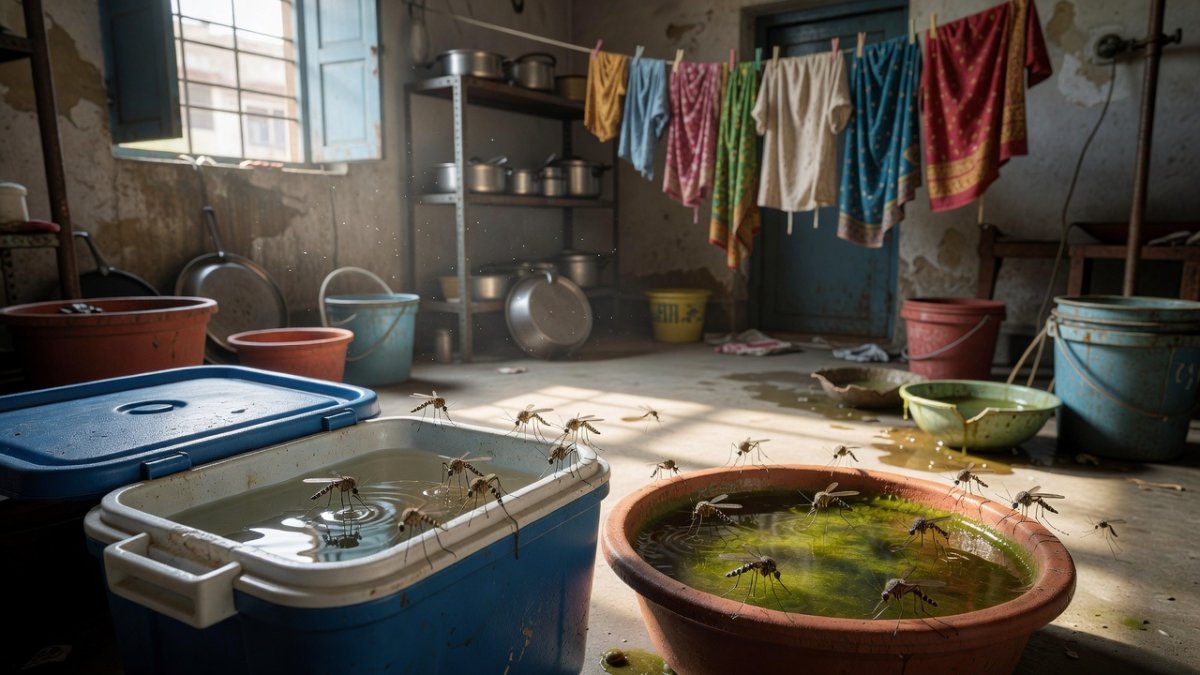
The Shifting Paradigm of Dengue Seasonality
Health experts are observing dengue infections even during summer and winter months, something once considered uncommon. While the highest number of cases still appears during and after the rainy season, hospitals across India are now treating dengue patients in months when people usually lower their guard against mosquitoes.
The Aedes mosquito, which spreads dengue, breeds in clean stagnant water commonly found inside homes, offices, construction sites, coolers, buckets, plant trays, and overhead tanks. These breeding sites persist throughout the year in Indian urban environments.
Climate and Urban Factors Driving Extended Transmission
Warmer temperatures accelerate the Aedes mosquito breeding cycle and allow the dengue virus to replicate faster inside the mosquito. Even small spells of rain combined with heat and humidity create ideal breeding conditions for mosquitoes long after the monsoon season ends.
Dr Niranjan Singh, Additional Director of Internal Medicine at CK Birla Hospitals, explains that rising temperatures are among the biggest reasons behind this shift. According to him, dengue was long considered monsoon-linked only, but the trend has changed dramatically, with earlier starts, longer seasons, and almost year-round cases appearing in some locations.
Observations from Hospitals Across India
Dr Hari Kishan Boorugu, Consultant Physician and Infectious Disease Specialist at Yashoda Hospitals, confirms that dengue patients arrive throughout the year, including January, May, and June. Peak numbers still occur between July and November, yet the year-round baseline has risen substantially.
"We see dengue patients throughout the year in January, May, June, and summer months too, though the highest number of cases still comes between July and November," Dr Boorugu said. He noted that mosquitoes continue to survive in many places because water stagnation and unhealthy surroundings remain present even during dry months.
At the same time, awareness about dengue has improved. Earlier, people and even some healthcare providers mainly suspected dengue during the monsoon months. Now, because outbreaks are occurring across seasons, doctors are more alert to identifying the infection throughout the year.
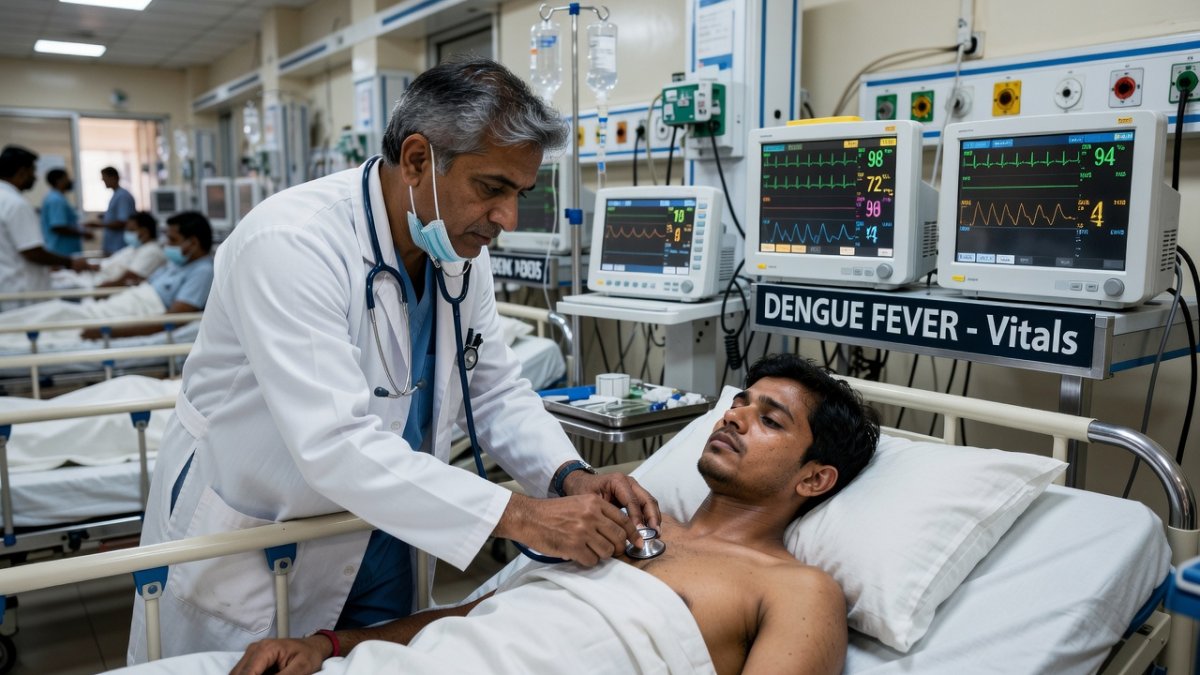
Daytime Biting Patterns and Critical Prevention Gaps
One crucial fact many people do not know is that the Aedes mosquito mainly bites during daytime, especially around dawn and dusk. Using mosquito repellents only at night may not fully protect against dengue because the Aedes mosquito is predominantly a daytime feeder.
Dr Boorugu advised people to wear full-sleeved clothes, trousers, and shoes, and apply mosquito repellent creams while stepping outside, especially in mosquito-prone areas. Prevention must now become a year-round habit instead of a seasonal response during the monsoon.
Multi-Organ Complications and Treatment Realities
Doctors warn that dengue should never be taken lightly. While many patients recover with supportive care, severe dengue can lead to serious complications and may require hospitalisation. The disease can affect multiple organs and may lead to low platelet counts, jaundice, kidney problems, and lung complications.
There is no specific antiviral treatment for dengue. Prevention remains the most effective protection. Simple measures such as emptying stagnant water, cleaning coolers regularly, covering water containers, improving drainage systems, and using mosquito protection can significantly reduce the risk.
Vaccine Progress and National Preparedness
India may soon gain wider access to effective dengue vaccines. An India Today report from April 20, 2026 noted that Japanese pharmaceutical company Takeda Pharma plans to roll out its Qdenga (TAK-003) vaccine in India through a manufacturing partnership with Hyderabad-based Biological E. The vaccine is already approved and in use across 40 countries, including the United Kingdom, Brazil, and several European nations.
Clinical trials and approval from the health ministry's Central Drugs Standard Control Organisation (CDSCO) will be mandatory before the vaccine becomes available in India. Public health experts have long advocated for a dengue vaccine in the country, which records among the highest case numbers globally each year.
What This Means for Indian Citizens and Healthcare Systems
Year-round dengue transmission alters planning for both families and public health authorities. Schools, workplaces, and construction projects must maintain mosquito control measures continuously rather than only during monsoon months. Hospitals require sustained capacity for platelet monitoring and organ support instead of preparing only for seasonal surges.
For residents of Indian cities served by institutions such as CK Birla Hospitals and Yashoda Hospitals, dengue risk now persists across every month of the year. Consistent source reduction in homes, offices, and neighbourhoods — emptying stagnant water, sealing water containers, and maintaining clean surroundings — remains the most immediate and effective preventive action available while vaccines advance through regulatory channels.
The Bottom Line
Dengue is no longer a seasonal visitor that arrives with the monsoon and leaves when the rains end. It has become a permanent health concern across Indian cities, driven by climate change, urbanisation, and everyday water storage habits. Until vaccines become widely accessible, the responsibility falls on every household to treat mosquito prevention as a 365-day commitment.
— By Dr. Raj Patel, Staff Writer
This article was produced with AI-assisted research and editorial support. Reporting is based on sources cited in the article.
What's Your Reaction?
 Like
0
Like
0
 Dislike
0
Dislike
0
 Love
0
Love
0
 Funny
0
Funny
0
 Wow
0
Wow
0
 Sad
0
Sad
0
 Angry
0
Angry
0

India/South Asia Correspondent at Global1.News. Analytical voice with a background in science and health journalism. Based in New Delhi, covering Indian politics, education, healthcare, technology, and policy. Breaks down complex data into clear, actionable reporting.














Comments (0)