
Grammy-winning director explores his Nigerian grandfather's role in the Biafran war
A Grammy Winner Turns to Family History Meji Alabi, known for directing music videos for artists like Beyoncé, Burna Boy, Davido and Stormzy, has now directed a BBC Africa Eye documentary titled Surviving Biafra: Voices from the Nigerian Civil War. The 37-year-old filmmaker, born in London to Nigerian parents and later schooled in Texas, describes the project as an eye opener t
A Grammy Winner Turns to Family History
Meji Alabi, known for directing music videos for artists like Beyoncé, Burna Boy, Davido and Stormzy, has now directed a BBC Africa Eye documentary titled Surviving Biafra: Voices from the Nigerian Civil War. The 37-year-old filmmaker, born in London to Nigerian parents and later schooled in Texas, describes the project as an eye opener that revealed aspects of Nigeria's past he had not known.
The Biafran Conflict Through Archival Footage
The documentary presents previously unseen front-line footage from the war that ran from 1967 to 1970. It covers events after the January 1966 coup, reprisal violence against Igbos, the return of around a million Igbos to the south-east, and the formation of the Republic of Biafra. Estimates in the film place deaths between 500,000 and three million, many of them children, marking it as one of the bloodiest conflicts on the continent and the world's first televised humanitarian disaster.
Grandfather's Role in the Federal Army
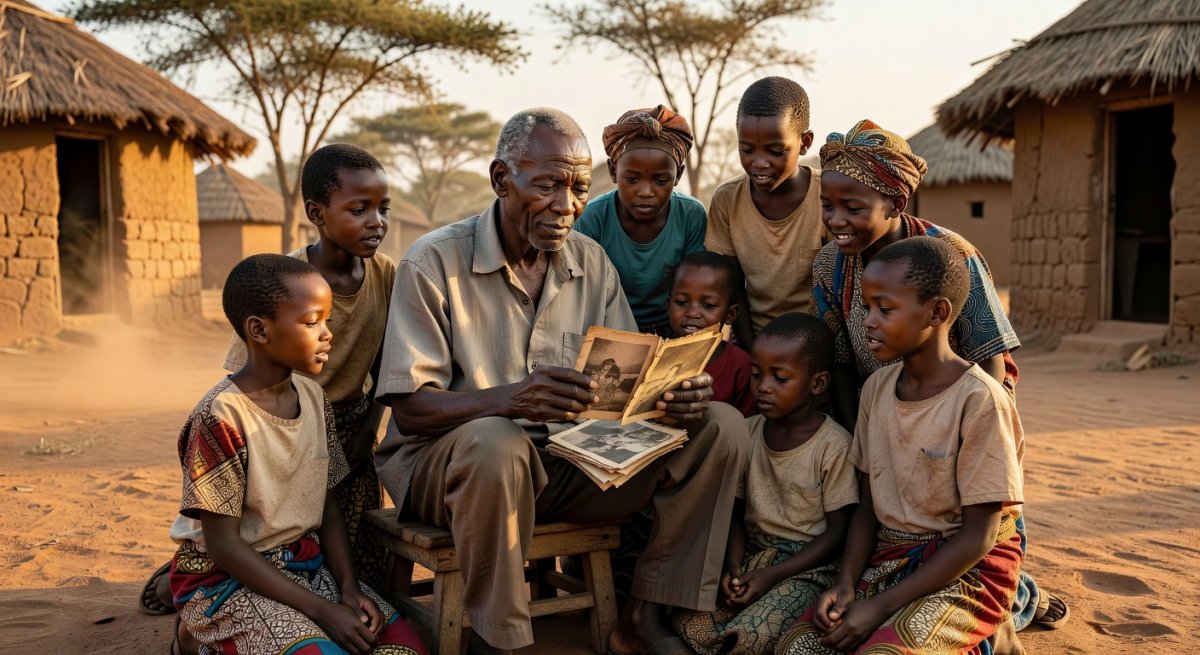
Meji worked with his uncle Leke Alabi-Isama on the project through their Lagos-based company PriorGold Pictures. Their research centered on Godwin Alabi-Isama, Meji's grandfather and Leke's father, who served as chief of staff to Brigadier Benjamin Adekunle in the 3 Marine Commando on the federal side. Leke grew up in Abeokuta, Ogun state, hearing stories that portrayed his father as a liberator of towns and villages.
Discovering Suffering on All Sides
Both filmmakers recount how their earlier knowledge came mainly from the federal army perspective. Leke explains that only later research showed him the mass starvation in Biafra and allegations of war crimes against civilians by federal forces, including the 3 Marine Commando. Graphic images of starved children marked a turning point, turning personal family stories into documented facts of widespread suffering.
Younger Voices Confronting Shared Truths
Survivors now in their 70s and 80s share their experiences throughout the film. Meji and Leke note that many Nigerians still learn about the war only through family stories, as formal history teaching was absent from the national curriculum for more than a decade before September 2025. The pair highlight the rarity of Nigerian-made films on the topic and describe the war as a subject long whispered about rather than openly examined.
Relevance for Today's Generation
The filmmakers say the documentary offers an inquisitive look from a younger generation at events that continue to shape Nigeria. They stress the value of presenting multiple truths so that one family's understanding does not stand alone, creating space for a fuller national conversation.
By Amara Diop, Staff WriterThis article was produced with AI-assisted research and editorial support. Reporting is based on sources cited in the article.
What's Your Reaction?
 Like
0
Like
0
 Dislike
0
Dislike
0
 Love
0
Love
0
 Funny
0
Funny
0
 Wow
0
Wow
0
 Sad
0
Sad
0
 Angry
0
Angry
0

Israel Correspondent at Global1.News. Based in Tel Aviv, covering Israeli politics, security, technology, and society. Provides balanced, deeply-sourced reporting on one of the most closely-watched regions in the world.














Comments (0)