
Fox News Dominion Defamation Case: A Look Back at the Settlement and Its Near Miss With Trial
Fox News Dominion Defamation Case: A Look Back at the Settlement and Its Near Miss With Trial The Reckoning That Almost Was The scene in Wilmington unfolded with remarkable intensity as jury selection wrapped up in the Dominion Voting Systems defamation lawsuit against Fox News. Three hundred potential jurors had been summoned to the courthouse, and the presiding judge observed
The Reckoning That Almost Was
The scene in Wilmington unfolded with remarkable intensity as jury selection wrapped up in the Dominion Voting Systems defamation lawsuit against Fox News. Three hundred potential jurors had been summoned to the courthouse, and the presiding judge observed that there were more than enough individuals available to proceed with the trial as scheduled. The stakes could not have been higher given the $1.6 billion in damages that Dominion sought from the network.
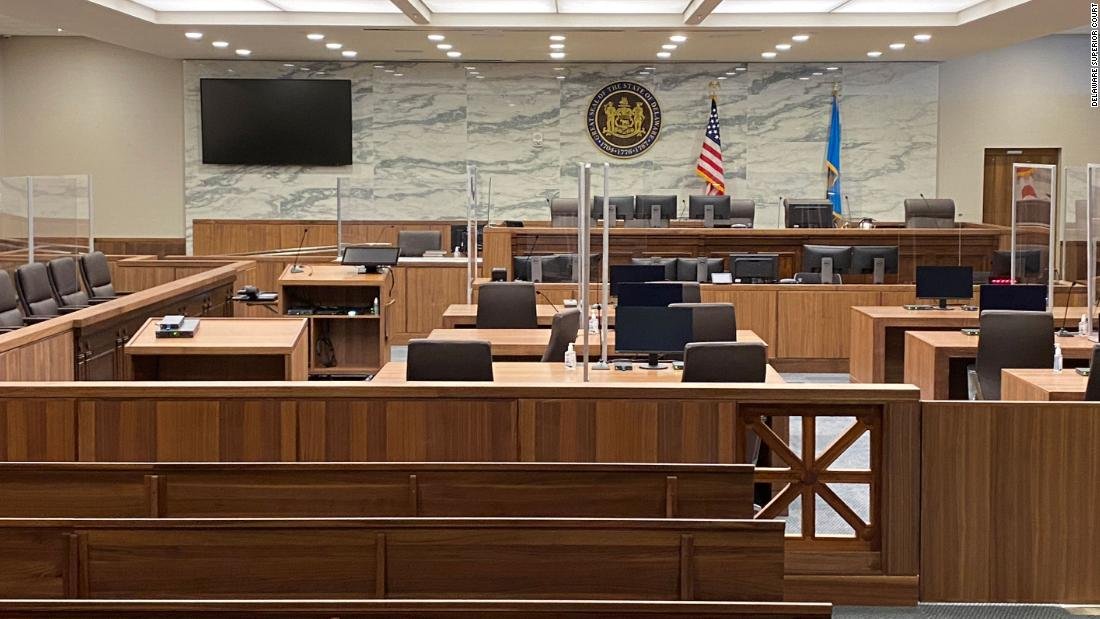
Courtroom 7E stood ready to host the proceedings that would have placed some of the most prominent figures in media under oath. High-powered legal teams gathered alongside executives from Murdoch Media, preparing for what promised to be an extended examination of internal decisions made after the 2020 election. The atmosphere carried a sense of anticipation that this case might finally pierce through layers of prior controversies.
Then came the surprise settlement announcement that halted the trial before opening statements could begin. The abrupt resolution caught many observers off guard after weeks of pretrial motions and jury preparations had built considerable momentum. Wilmington had become the unexpected focal point for a legal confrontation years in the making.
Potential jurors dispersed without ever hearing testimony, leaving the full public airing of evidence unrealized. The judge had already signaled readiness to move forward, underscoring how close the matter came to a verdict. This near-miss with trial highlighted the extraordinary nature of holding a major cable network accountable in open court.
Analysts noted that the Delaware courthouse setting added gravity to every procedural step leading up to the settlement. The physical presence of legal teams and the assembled jury pool created a tangible pressure absent from typical media disputes. Ultimately the case concluded without the dramatic testimony many had anticipated.
The Lies That Built a Lawsuit
Fox News broadcast numerous false claims about Dominion Voting Systems in the weeks following the 2020 presidential election. These statements formed the core of Dominion's defamation complaint seeking $1.6 billion in compensation. The lawsuit alleged that the network knowingly amplified baseless allegations regarding voting machines and election integrity.
Internal communications later revealed significant doubts among Fox personnel about the veracity of the claims being aired. Hosts and executives expressed private skepticism even as public programming continued to promote the false narratives. This disconnect between on-air content and behind-the-scenes awareness became a central element of the legal challenge.
Dominion argued that the repeated broadcasts caused substantial harm to its business reputation and operations. The company maintained that Fox had chosen sensationalism over factual reporting despite available evidence contradicting the allegations. Such decisions reflected broader patterns observed in the network's coverage during that period.
The lawsuit documentation outlined specific instances where Fox personalities advanced conspiracy theories without sufficient substantiation. These broadcasts occurred at a time when election results were still being certified across multiple states. Dominion positioned the case as a necessary response to unchecked misinformation reaching millions of viewers.
Preexisting concerns about the network's approach to controversial topics gained renewed attention through the filing. Observers pointed out that Fox had previously navigated similar storms by shifting focus or attacking critics. The Dominion matter, however, demanded a different level of factual accountability from the outset.
Courtroom 7E: Where History Beckoned
Rupert Murdoch and Suzanne Scott represented key leadership figures expected to feature prominently had the trial advanced. Tucker Carlson and Sean Hannity stood among the hosts whose on-air statements would have undergone rigorous cross-examination. Their presence underscored the high-profile nature of the dispute between Dominion and Fox News.
The physical setting of Courtroom 7E in Wilmington provided a neutral arena far removed from the network's usual broadcast environment. Lawyers for both sides prepared extensive arguments while the judge maintained strict control over procedural matters. This controlled atmosphere contrasted sharply with the freewheeling style often seen on cable news programs.
Cross-examination would have required witnesses to address specific internal messages and editorial choices made after the election. Dominion attorneys planned to highlight instances where skepticism about fraud claims existed privately yet public reporting diverged. Such questioning promised to expose tensions within the network's decision-making processes.
The judge's prior rulings indicated little tolerance for evasive responses during any potential testimony. Legal teams anticipated lengthy sessions focused on the timeline of broadcasts versus emerging evidence. This environment left little room for the deflection tactics commonly employed in media interviews.
Observers described the impending trial as a rare opportunity to examine media practices under formal legal standards. The assembled participants represented years of accumulated influence in shaping public discourse. Courtroom 7E thus symbolized a potential turning point in how accountability might be enforced.
Why Fox's Usual Playbook Wouldn't Have Worked
Fox News had successfully weathered numerous controversies over the years by leveraging its platform to counter criticism. Past incidents involving public health claims, immigration rhetoric, and fringe conspiracy theories often faded without lasting corporate consequences. The network frequently emerged appearing stronger after such episodes through strategic on-air framing.
A courtroom setting eliminated the ability to simply ignore inquiries or redirect attention toward other outlets. Legal proceedings required direct responses to evidence rather than narrative control through commentary. This structural difference placed Fox in an unfamiliar position of vulnerability.
The judge overseeing the case had already demonstrated impatience with certain defense strategies during pretrial phases. Such judicial oversight prevented the kind of prolonged deflection that might occur in public statements. Fox executives and hosts could not resort to attacking external media without addressing the specific allegations at hand.
Traditional crisis management techniques proved ineffective against the discovery process that had already yielded substantial internal records. These documents limited options for reshaping events after the fact. The adversarial nature of litigation demanded consistency between private communications and public positions.
Ultimately the constraints of legal procedure created an environment where spin held diminished power. Fox faced the prospect of presenting arguments grounded strictly in verifiable facts rather than opinion. This shift represented a fundamental departure from previous experiences with controversy.
The $787.5 Million Settlement
The Dominion Voting Systems lawsuit against Fox News concluded with a settlement of $787.5 million announced on April 18, 2023. This figure marked the largest defamation settlement in United States history at the time. The agreement brought an end to proceedings that had been scheduled to begin days earlier in Wilmington.
Fox agreed to the payment without issuing an admission of liability as part of the resolution. The terms allowed both parties to avoid the uncertainties of a full jury trial while providing substantial compensation to Dominion. Observers viewed the amount as reflective of the serious nature of the claims involved.
The settlement came after extensive pretrial discovery had already surfaced numerous internal communications. These materials illustrated the gap between private assessments and broadcast content regarding the 2020 election. Dominion accepted the resolution as sufficient acknowledgment of the harm caused by the false statements.
Legal analysts noted that the payout exceeded previous high-profile defamation resolutions by a significant margin. The decision to settle avoided further public scrutiny of executive and host conduct during the post-election period. Fox maintained its position that certain defenses remained viable yet chose resolution over continued litigation.
The financial impact of the agreement reverberated through media industry discussions about risk management. Networks faced renewed consideration of how editorial decisions might translate into legal exposure. This outcome established a notable benchmark for future defamation matters involving major broadcasters.
What a Trial Would Have Revealed
Pre-trial evidence had already indicated that Fox personnel harbored doubts about the election-related claims being promoted on air. Internal messages showed instances of skepticism that contrasted with the certainty presented to audiences. Such materials would have formed the basis for detailed questioning had testimony commenced.
The judge's expressed frustration with aspects of the defense approach suggested that proceedings would have been tightly managed. This judicial stance implied limited patience for arguments lacking clear factual grounding. Witnesses would have navigated a setting where precision mattered more than persuasion.
Discovery documents pointed toward patterns of editorial choices made despite available contradictory information. These records would likely have received extensive attention during any examination of network practices. The resulting testimony promised insights into how decisions escalated from initial reports to sustained coverage.
Potential revelations included the extent to which audience considerations influenced content decisions following the election. Private exchanges among hosts and executives revealed calculations that diverged from public messaging. A trial would have placed these dynamics under formal scrutiny for the first time.
Overall the evidence trajectory suggested that Fox would have encountered substantial challenges in maintaining consistent defenses throughout the proceedings. The accumulated materials limited flexibility in responding to specific allegations. This body of information underscored why settlement emerged as a viable path forward.
The Bottom Line: Accountability's New Chapter
The Dominion settlement against Fox News signaled a shift in expectations for media accountability in defamation cases. Large financial resolutions now appeared more attainable when internal records contradicted public broadcasts. This development encouraged greater caution among networks regarding election-related reporting.
Defamation law gained renewed visibility as a mechanism for addressing widespread dissemination of false information. The case demonstrated that traditional protections might not shield organizations when evidence of knowing falsehoods surfaced. Future litigants could reference this outcome when pursuing similar claims.
Networks covering elections faced heightened awareness of potential legal consequences tied to unverified allegations. Editorial processes came under increased internal review to mitigate exposure. The precedent set by the $787.5 million agreement altered risk calculations across the industry.
Public discourse around media responsibility evolved in the aftermath as observers reflected on the near-trial experience. The avoidance of full testimony left some questions unanswered yet still produced meaningful consequences. This balance illustrated both the power and limitations of litigation in media oversight.
Ultimately the resolution marked the beginning of a new chapter where accountability extended beyond public opinion into enforceable legal outcomes. Media organizations recognized that courtroom standards demanded different approaches than broadcast commentary. The Dominion matter thus left a lasting imprint on how election coverage might be conducted moving forward.
By Jessica Ali, Staff WriterThis article was produced with AI-assisted research and editorial support. Reporting is based on sources cited in the article.
What's Your Reaction?
 Like
0
Like
0
 Dislike
0
Dislike
0
 Love
0
Love
0
 Funny
0
Funny
0
 Wow
0
Wow
0
 Sad
0
Sad
0
 Angry
0
Angry
0

Editor-in-Chief at Global1.News. Atlanta-based journalist who cuts through the BS and tells it like it is. Lead anchor, host, and the voice you hear when the spin stops and the truth starts.















Comments (0)