
Mexico Faces US Tariffs and Sinaloa Cartel Violence in Ju...
Mexico stands at a crossroads in late July 2026, balancing the weight of renewed US tariffs with the shadow of cartel violence that continues to touch everyday lives from the northern border to the central highlands. As the Sheinbaum administration steers through complex trade negotiations and security challenges, ordinary citizens in maquiladoras, rural ejidos, and bustling colonias draw on deep wells of resilience shaped by generations of adaptation.
US Tariffs Take Effect as Trade Talks Conclude
The third round of bilateral USMCA trade talks between the United States and Mexico wrapped up on July 24, 2026, just as new US tariffs on more than 60 countries came into force. These measures target trade imbalances, with US Ambassador Greer emphasizing President Trump's focus on reducing deficits that affect cross-border commerce. During the final sessions in Mexico City, negotiators reviewed updated provisions on automotive rules of origin and digital trade flows, aiming to modernize the agreement while addressing longstanding concerns over supply chain vulnerabilities. Ambassador Greer stated that the United States seeks fairer terms to protect American workers, noting that Mexico's trade surplus in manufactured goods remains a key point of discussion.
President Claudia Sheinbaum addressed reporters from the Presidencia, outlining Mexico's position in the negotiations. She highlighted the need to protect Mexican exports while maintaining strong ties with the northern neighbor. In her press conference, Sheinbaum stressed that any adjustments must safeguard employment in export-oriented sectors and called for continued cooperation on energy and agricultural standards. The talks reflect ongoing efforts by the Sheinbaum administration to balance economic priorities with national interests, including commitments to environmental protections within the updated framework.
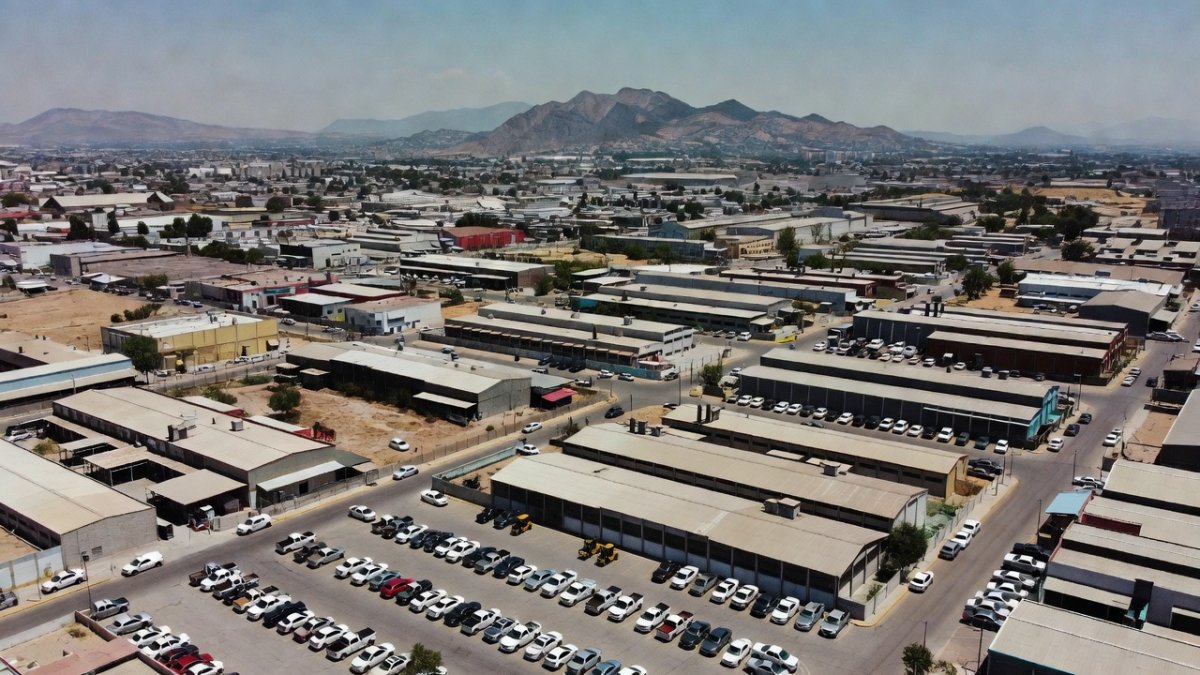
Ordinary families in border regions watch these developments closely. Maquiladora workers in cities like Ciudad Juarez worry about how higher costs could ripple through supply chains and affect their jobs at assembly plants tied to US markets. Analysts note that the phased tariff rollout could add 3 to 5 percent to input costs for electronics and auto parts, potentially slowing hiring in the short term. Small business owners in northern states also feel the pressure. Many rely on imported components and fear that tariffs could raise prices for everyday goods, squeezing already tight household budgets in colonias across the country. Broader data from the Bank of Mexico indicates that while inflation has fallen to around 3.8 percent this year per Bank of Mexico data, imported inflation risks could test that progress if talks stall.
Impacts on Maquiladora Workers and Border Families
Maquiladora workers form the backbone of Mexico's manufacturing sector, producing goods for export under USMCA rules. With tariffs now applying, many families in these communities express concern over potential layoffs or reduced hours at factories along the border. Employment in the sector supports over 3 million direct jobs nationwide, with Chihuahua and Baja California accounting for nearly 40 percent of that total. Recent surveys by the Mexican Institute of Social Security show that workers value the stability these positions provide, yet rising material costs threaten overtime opportunities that many households count on for school fees and medical visits.
Local economies in states like Chihuahua and Baja California depend heavily on these jobs. Workers describe how stable employment supports their children's education and healthcare through IMSS programs, yet uncertainty from trade shifts threatens that stability. Community organizations report increased requests for financial counseling as families prepare for possible adjustments in shift schedules. President Sheinbaum has stressed the importance of dialogue to safeguard these positions. Her comments from Palacio Nacional underscore a commitment to protecting vulnerable sectors while the tariffs phase in across multiple countries. Government projections suggest that targeted subsidies for small suppliers could offset some effects, though implementation timelines remain under review.
Community leaders in border towns organize meetings to discuss coping strategies. They connect the trade pressures to broader challenges. In Ciudad Juarez, local chambers of commerce have launched workshops on diversifying export markets toward Europe and Asia. These efforts align with federal calls for greater economic resilience, helping families maintain access to nutrition and education programs even during periods of adjustment.
Sinaloa Cartel Violence Claims Lives in Zacatecas
On July 22, 2026, a massacre in Zacatecas left ten men dead, with bodies hung from a bridge in a display claimed by the Sinaloa Cartel. The attack targeted business owners and local officials amid a deadly feud between rival factions within the cartel. Authorities confirmed that the victims included several agricultural entrepreneurs and a municipal liaison, highlighting how the internal power struggle has spilled into civilian spaces. Investigators continue to examine connections to drug trafficking routes that cross the state.
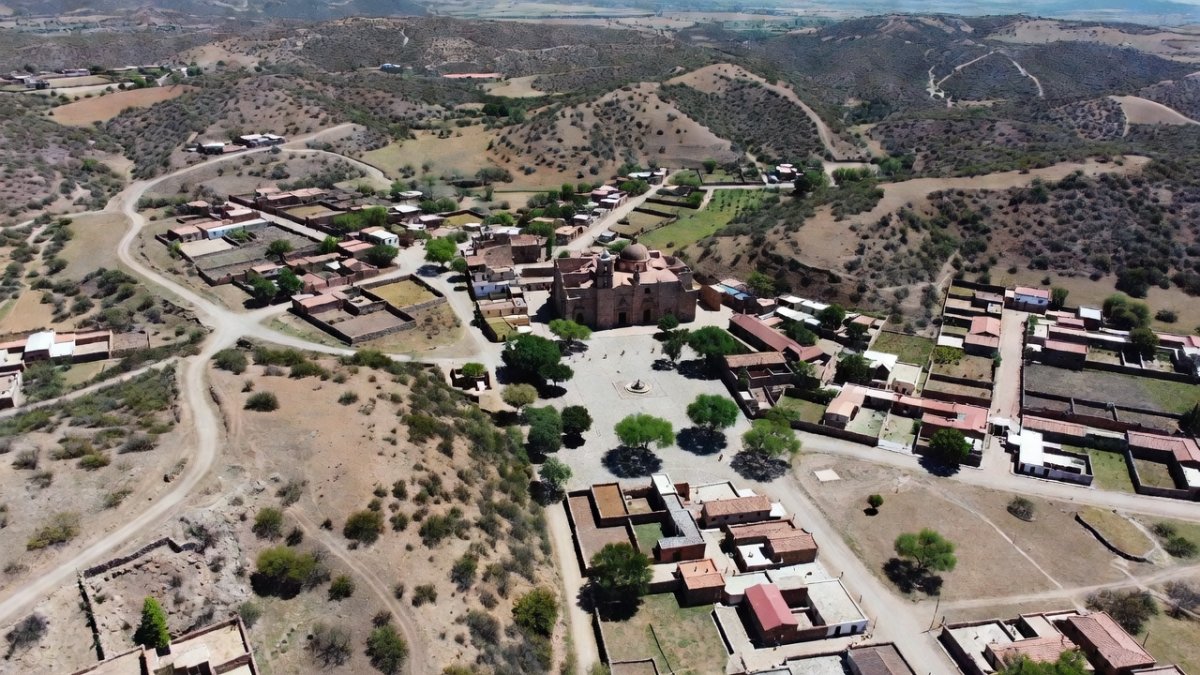
This violence has shaken rural communities and ejidos in the state. Families there live in fear, with parents keeping children indoors and farmers avoiding fields after dark due to the ongoing cartel split and clashes. Local reports describe how the factions, divided over control of fentanyl precursors and methamphetamine labs, have intensified recruitment in remote areas. The emotional strain appears in rising calls to mental health hotlines operated by state agencies.
President Sheinbaum praised special forces for recent operations that brought down key cartel figures. Her remarks from the Presidencia highlighted progress in security efforts even as homicide rates continue a gradual decline from previous years. National statistics according to the Executive Secretariat of the National Public Security System show homicides down approximately 12 percent year-over-year, a trend attributed to sustained intelligence sharing and community policing initiatives. Residents in Zacatecas describe the emotional toll on tight-knit towns. Small business owners shutter early, and indigenous communities nearby report disrupted daily routines as the cartel war spills into public spaces. State officials have increased patrols near schools and markets to restore a sense of normalcy.
Balancing Security and Economic Pressures
The Sheinbaum administration draws on institutions like SEDENA and the Guardia Nacional to address cartel threats while navigating trade talks. Coordinated operations in Zacatecas and neighboring states have led to the seizure of multiple drug laboratories this month, demonstrating improved inter-agency communication. Federal resources now include expanded training programs for local police forces, aiming to strengthen ground-level responses without overburdening military units. Data from CONEVAL indicates that security gains have helped stabilize poverty reduction efforts in several regions, though targeted violence can still interrupt agricultural supply chains vital to rural economies.
State governments coordinate with federal authorities to protect vulnerable groups, including migrant workers and campesinos tied to agricultural supply lines. Federal coordination meetings now incorporate economic impact assessments to ensure security measures do not inadvertently hinder trade corridors. President Sheinbaum's public addresses emphasize resilience. She connects these issues to the legacy of previous Morena policies, urging unity as Mexico faces external tariffs and internal security tests. Inflation trends provide a buffer that allows targeted social spending to continue even as security budgets receive priority increases.
The Broader Latin American Picture
Regional partners across Latin America observe Mexico's tariff negotiations with keen interest, as similar trade pressures affect economies from Central America to the Southern Cone. USMCA outcomes could set precedents for renegotiations involving other nations, influencing everything from automotive investments to agricultural quotas. Mexican diplomats have shared insights with counterparts in Colombia and Peru, highlighting strategies for protecting small producers during transition periods.
Security cooperation also extends beyond borders, with intelligence exchanges helping address transnational cartel networks. These efforts complement domestic declines in homicide rates and support broader stability that benefits cross-border commerce. As Mexico advances, its experience offers lessons on integrating economic diversification with community-focused security measures.
Community Resilience Amid Dual Challenges
Families across Mexico demonstrate strength in the face of tariffs and cartel violence. In Zacatecas, neighbors share resources to support those grieving the July 22 losses, while maquiladora households budget carefully for potential price increases. Small business owners adapt by seeking local suppliers, reducing reliance on imports affected by the new tariffs. This shift echoes broader calls from the Congreso de la Unión for economic diversification under the Sheinbaum administration.
Indigenous communities and rural groups maintain cultural traditions that foster solidarity. Students and teachers continue classes, finding ways to discuss current events without heightening fears among young people. Healthcare workers at ISSSTE facilities report steady demand as families seek support for anxiety tied to both trade uncertainty and security concerns. These stories highlight the human side of national challenges.
As tariffs apply and cartel factions clash, Mexican people focus on daily survival and mutual aid. The path forward involves continued talks and security measures that prioritize community well-being. With inflation easing and homicide figures improving, the foundation for sustained recovery remains intact even amid these overlapping tests.
Tags: US tariffs Mexico, Sinaloa Cartel violence, USMCA trade talks, Claudia Sheinbaum, Zacatecas massacre, maquiladora workers, Mexican economy 2026, cartel factions, trade deficits, community impact Mexico, Sheinbaum administration, border families, security operations
By Rosa Martinez, Staff Writer
This article was produced with AI-assisted research and editorial support. Reporting is based on sources cited in the article.
What's Your Reaction?
 Like
0
Like
0
 Dislike
0
Dislike
0
 Love
0
Love
0
 Funny
0
Funny
0
 Wow
0
Wow
0
 Sad
0
Sad
0
 Angry
0
Angry
0

Latin America/Andes Correspondent at Global1.News. Based in Bogota, covering politics, environment, energy, and social movements across the Andean region. Passionate about environmental journalism and communities protecting their land.












Comments (0)