
EU Targets Russian War Veterans with Landmark Visa Ban and New Sanctions Package
EU Targets Russian War Veterans with Landmark Visa Ban as New Sanctions Package Tightens Oil Cap and Shadow Fleet Restrictions Introduction The European Union has proposed a visa ban on any Russian who has fought in the war against Ukraine as part of its next round of sanctions against Moscow, European Commission President Ursula von der Leyen said Tuesday. This measure marks a
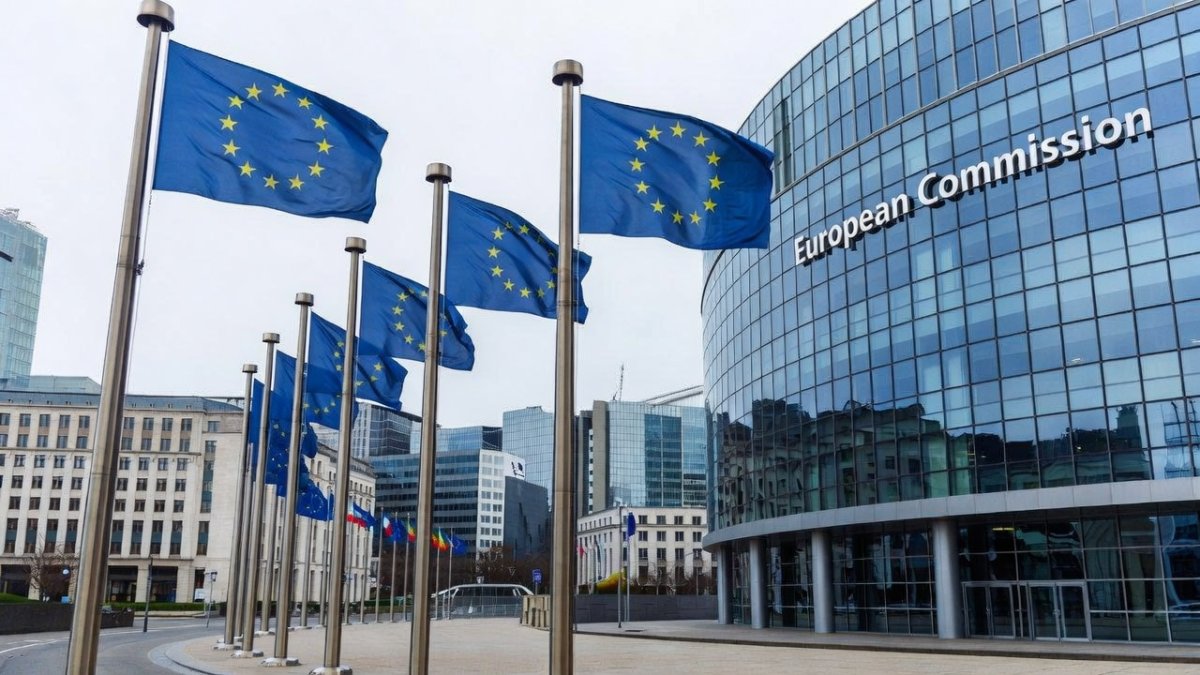
EU Targets Russian War Veterans with Landmark Visa Ban as New Sanctions Package Tightens Oil Cap and Shadow Fleet Restrictions
Introduction
The European Union has proposed a visa ban on any Russian who has fought in the war against Ukraine as part of its next round of sanctions against Moscow, European Commission President Ursula von der Leyen said Tuesday. This measure marks a significant escalation in the bloc's efforts to isolate those directly involved in the conflict. The announcement comes amid ongoing tensions and reflects a coordinated approach to limit movement for individuals tied to the Russian military actions since the invasion began.
"We propose for the first time to ban entry into the European Union for anyone who has served in the Russian armed forces since the beginning of the war," von der Leyen said. This will "make sure that Europe stays off-limits for anyone who has participated in the invasion of Ukraine," she added. The proposal underscores the EU's determination to hold accountable those who have taken part in the military operations.
Beyond the entry ban, a central focus of the fresh EU sanctions package is suppressing Russian energy revenues amid surging global oil prices driven by the war in the Middle East. Brussels intends to lock in a price cap on Russian crude at its current level of approximately $44 per barrel until January, preventing the Kremlin from capitalizing on the market spike. This approach ties directly into broader energy politics that affect Russia's position in global markets and its domestic structures.
Visa Ban Details
The visa ban targets individuals who have served in the Russian armed forces since the start of the war, creating an unprecedented restriction on entry to EU territory. This scope extends to a wide range of military personnel, emphasizing a collective responsibility for participation in the conflict. The measure stands out because it applies broadly rather than to specific high-profile figures alone.
By focusing on service records since the invasion's outset, the ban aims to close potential loopholes that might allow veterans or active-duty members to travel freely within Europe. Officials have highlighted how this policy reinforces the message that involvement in the military campaign carries lasting consequences. It also aligns with efforts to maintain pressure on Russian power structures centered in the Kremlin.
The unprecedented nature of the ban lies in its blanket application to an entire category of individuals based on their military involvement. This approach differs from previous targeted sanctions that often singled out oligarchs or officials. In the context of energy politics, such restrictions complement financial measures by limiting personal mobility for those connected to revenue-generating sectors like oil.
Oil Price Cap Lock-In
Brussels intends to lock in a price cap on Russian crude at its current level of approximately $44 per barrel until January. This step seeks to curb the Kremlin's ability to benefit from higher global prices influenced by developments in the Middle East. Energy politics play a central role here, as Russia relies heavily on oil exports to sustain its economy and fund state operations.
The decision to maintain the cap prevents any upward adjustment that could flow additional revenues to Moscow during periods of market volatility. By fixing the level through January, the EU aims to create predictability in enforcement while responding to external factors affecting oil supply chains. This ties into longstanding concerns over how energy revenues support Russian government priorities.
Ordinary Russians feel the downstream effects of these energy restrictions through constrained state budgets that influence domestic spending. The Kremlin's focus on energy exports as a pillar of power means that caps directly intersect with internal economic planning. Analysts note that prolonged limitations could shape future decisions within Russian leadership circles regarding resource allocation.
Shadow Fleet and Sanctions Evasion
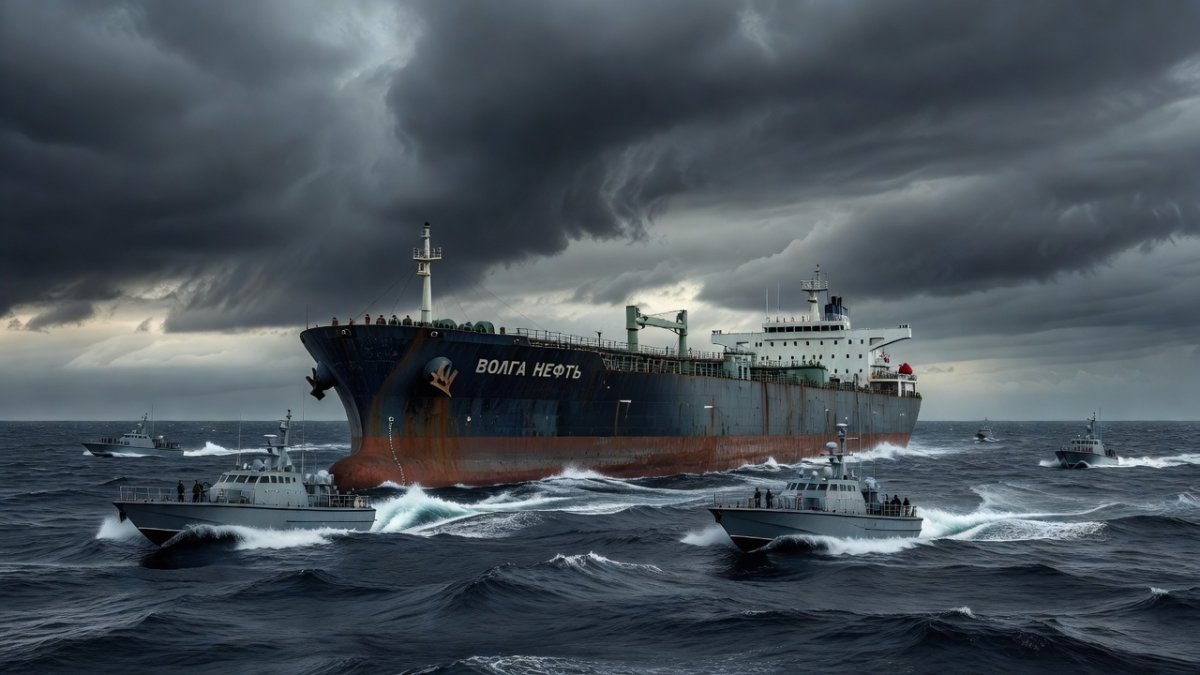
To enforce the price cap, the EU plans to blacklist 30 additional tankers belonging to Russia's so-called shadow fleet. These vessels have been identified as key tools in circumventing existing restrictions on oil transport. The move expands scrutiny on maritime operations that facilitate continued exports despite regulatory barriers.
The package also targets crypto platforms, banks, and third-party oil traders that aid in sanctions evasion. By including these entities, Brussels addresses multiple layers of financial and logistical support that sustain Russian energy flows. Seafood imports such as cod and Alaska pollock face widened trade restrictions as part of the broader effort to limit revenue streams.
These measures reflect an understanding of how evasion networks operate within Russian energy politics, often involving indirect routes and alternative payment systems. The inclusion of diverse sectors like seafood shows an intent to close gaps across various export categories. Such actions place additional strain on the mechanisms that support Kremlin objectives tied to resource sales.
Chinese Firm Restrictions
Brussels is also tightening regulations on foreign entities supplying the Russian military. Officials revealed that the proposal includes banning 14 firms based in mainland China and Hong Kong from purchasing EU goods. This step aims to disrupt supply chains that could indirectly bolster Russian capabilities through third-country intermediaries.
The restrictions on these 14 firms highlight concerns over dual-use goods and materials that might reach Russian forces via commercial channels. By limiting access to EU markets, the measure seeks to reduce options for entities engaged in such transactions. This aspect of the package connects to wider efforts to isolate Russia's military logistics from international support networks.
In the broader geopolitical landscape, these firm-level bans add pressure on relationships that Russia maintains with partners in Asia. Energy politics intersect here as well, since some of the same networks involved in oil trade could overlap with military procurement. The approach underscores the EU's strategy of extending sanctions beyond direct Russian actors to their enablers.
Russian Government Response
The Kremlin is expected to frame the new sanctions as further evidence of Western hostility toward Russian interests. Past patterns suggest that official statements from the Foreign Ministry will emphasize resilience and portray the measures as ineffective against core state functions. Power structures within the Russian government often respond to such packages by reinforcing narratives of external encirclement.
Energy politics remain central to any likely reaction, with officials potentially accelerating efforts to redirect oil sales toward non-EU markets. The visa ban on veterans could be presented domestically as an attack on national service members, prompting calls for reciprocal actions. Such responses typically aim to maintain internal cohesion around leadership priorities.
Statements from Russian authorities have historically downplayed the cumulative impact of successive sanction rounds while highlighting alternative partnerships. The current package's focus on shadow fleet tankers and evasion tools may prompt adjustments in maritime and financial operations. Overall, the Kremlin will likely integrate these developments into ongoing strategies for sustaining state revenues and influence.
Impact on Ordinary Russians
"The price Russia pays is heavier by the day, and it is paid primarily by the people of Russia," von der Leyen said. "They are mourning sons, brothers, husbands, and at the same time they face declining living standards at home." This observation points to the dual burden of casualties from the conflict and economic pressures resulting from restricted energy revenues.
Ordinary Russians encounter these effects through reduced access to imported goods and slower wage growth in sectors tied to state spending. Energy politics dictate that oil income supports various social programs, so caps on prices can translate into tighter household budgets over time. The visa restrictions add a personal dimension for families with military connections, limiting options for travel or relocation.
Declining living standards manifest in everyday challenges such as higher costs for certain products and uncertainty in employment linked to export industries. The combination of mourning and economic strain creates a complex social environment within Russia. Kremlin power structures must navigate these realities while pursuing policies centered on resource-based stability.
EU Approval and Geopolitical Analysis
The proposed sanctions package now heads to the EU's 27 member states for debate, where it requires unanimous approval to be officially adopted. This process ensures that all nations align on the measures before implementation. The requirement for consensus reflects the bloc's commitment to coordinated action on issues involving Russia.
Geopolitical analysis suggests that the package could influence the trajectory of EU-Russia relations in the coming months. By combining the visa ban with energy and trade restrictions, the EU signals a sustained approach to limiting Moscow's options. Energy politics continue to shape these dynamics, as oil remains a key variable in bilateral interactions.
Future developments will depend on how member states balance the package's elements during discussions. The focus on shadow fleet enforcement and third-country firms indicates an evolving strategy that extends beyond traditional targets. In this context, the measures contribute to a longer-term framework for managing tensions with Russian state structures.
By Irina Volkov, Staff WriterThis article was produced with AI-assisted research and editorial support. Reporting is based on sources cited in the article.
What's Your Reaction?
 Like
0
Like
0
 Dislike
0
Dislike
0
 Love
0
Love
0
 Funny
0
Funny
0
 Wow
0
Wow
0
 Sad
0
Sad
0
 Angry
0
Angry
0
Russia/Eastern Europe Correspondent at Global1.News. Covering Russian politics, energy, security, and the shifting dynamics of the post-Soviet space. Provides clear-eyed analysis on one of the world's most opaque regions.









Comments (0)