
Ebola Drug Trials Begin as Outbreak Widens
The Outbreak Keeps Growing When an Ebola outbreak starts widening, the first question most people ask is whether help is on the way. Right now scientists are moving quickly to answer that question with new treatment trials. The current situation involves the Bundibugyo virus, a strain that has triggered fresh concern in affected regions. Reports indicate the outbreak is expandi
The Outbreak Keeps Growing
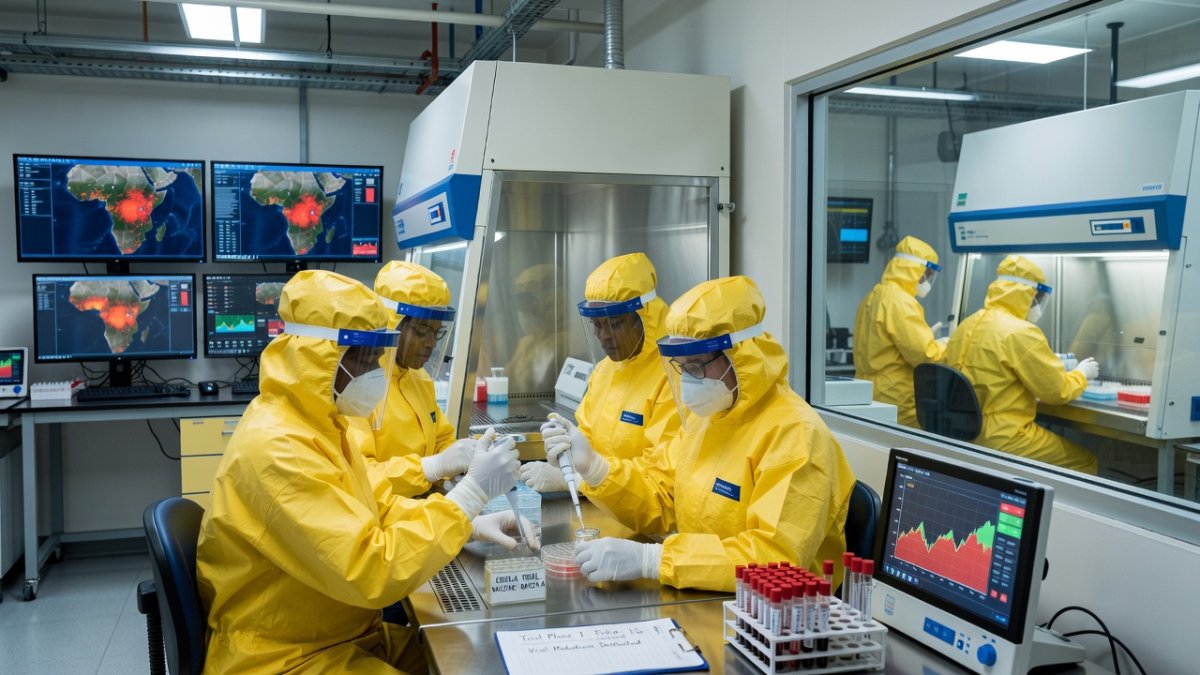
When an Ebola outbreak starts widening, the first question most people ask is whether help is on the way. Right now scientists are moving quickly to answer that question with new treatment trials. The current situation involves the Bundibugyo virus, a strain that has triggered fresh concern in affected regions. Reports indicate the outbreak is expanding, which puts pressure on researchers to move from lab work to real-world testing as fast as safely possible.
Everyday readers might wonder why this matters beyond the immediate area. Outbreaks like this can affect travel plans, supply chains for medical supplies, and even the sense of security in neighboring communities. When treatments show early promise, it gives health workers and families something concrete to hold onto while the virus continues to spread.
Why Bundibugyo Draws Special Attention
The Bundibugyo virus is one of several Ebola strains, and it behaves a little differently from the more commonly discussed versions. That difference is exactly why the new trials focus on it. Preliminary studies have already flagged several drugs that appear to interfere with how this particular virus works inside the body. Those early signals are what prompted the current push into human trials.
People living far from the outbreak zone still feel ripple effects. News of a widening cluster can raise general awareness about infectious disease preparedness everywhere. Hospitals in other countries review their own protocols, and families start thinking about basic steps like hand hygiene and staying informed through reliable channels. The science moves fast, but clear communication helps everyone stay grounded.
Trials Get Underway on Promising Compounds
According to the latest updates, trials are beginning on several drugs that performed well in preliminary studies against the Bundibugyo virus. This is not a single magic bullet approach. Instead, researchers are testing multiple candidates at once to see which ones hold up when given to patients during an active outbreak. The goal is to gather data quickly without cutting corners on safety.
Think of it like a relay race where each drug candidate passes the baton to the next phase of testing. Early lab and animal work already showed the compounds could limit how the virus replicates. Now the question is whether those same effects appear in people who are already sick. Health officials are coordinating these efforts across borders because an outbreak does not respect lines on a map.
How the Science Connects to Daily Life
When new treatments reach the trial stage, the impact reaches beyond the lab bench. Families in affected areas gain hope that fewer severe cases will progress to the most dangerous stages. Health workers get tools that could reduce the length of time patients need intensive support. Even communities watching from a distance benefit from knowing that research is active rather than stalled.
Real-world health impacts show up in practical ways. Clinics can plan staffing around expected treatment protocols. Aid organizations adjust supply orders based on which drugs look most effective. Individuals who follow the news can make smarter decisions about whether to postpone nonessential travel or simply stay updated through official health channels. The faster the trials produce usable results, the sooner these adjustments become possible.
Challenges of Testing During an Active Outbreak
Running trials while an outbreak is widening brings extra layers of difficulty. Researchers must balance speed with careful monitoring for side effects. They also need to work closely with local health teams who already have their hands full caring for patients. The preliminary studies gave enough reason to move forward, yet the real test happens when the drugs meet the virus in actual human cases.
That careful pace matters to readers because rushed science can create its own problems later. When trials follow established safety steps, the resulting treatments are more likely to earn trust from both doctors and the public. This trust becomes especially important in regions where past health crises have left people wary of new interventions.
What Comes Next for Treatment Research
The current trials represent an early chapter rather than the final story. Data collected over the coming weeks and months will show which drugs deserve wider use and which need more refinement. In the meantime, public health measures such as contact tracing and isolation protocols continue to play their usual role in slowing spread.
For most people, the takeaway is straightforward. An outbreak that keeps widening reminds us how connected health systems really are. When scientists race to test treatments that already showed promise in early work, they are working on behalf of communities both near and far. Staying informed through steady reporting helps turn that scientific effort into practical awareness rather than distant headlines.
By Allan Ali, Staff WriterThis article was produced with AI-assisted research and editorial support. Reporting is based on sources cited in the article.
What's Your Reaction?
 Like
1
Like
1
 Dislike
0
Dislike
0
 Love
0
Love
0
 Funny
0
Funny
0
 Wow
0
Wow
0
 Sad
0
Sad
0
 Angry
0
Angry
0

Publisher of Global1.News. Automation architect, systems builder, and the guy making sure the truth gets published.














Comments (0)