
Dak'Art 2026: Dakar Biennale Returns with Open Call for Artists as Africa's Premier Contemporary Art Event Enters Its 16th Edition
The 16th Dakar Biennale, scheduled from November 19 to December 19, 2026, arrives at a pivotal time for Senegal's vibrant cultural landscape, where art serves as a bridge between tradition and contemporary expression. This edition promises to build on the nation's rich heritage, drawing global attention to Dakar's dynamic scene. Dak'Art 2026: Dakar Biennale Returns with Open Ca
The 16th Dakar Biennale, scheduled from November 19 to December 19, 2026, arrives at a pivotal time for Senegal's vibrant cultural landscape, where art serves as a bridge between tradition and contemporary expression. This edition promises to build on the nation's rich heritage, drawing global attention to Dakar's dynamic scene.
Dak'Art 2026: Dakar Biennale Returns with Open Call for Artists as Africa's Premier Contemporary Art Event Enters Its 16th Edition
Dakar, Senegal — The 16th Dakar Biennale runs from November 19 to December 19, 2026, organized by the Government of Senegal through the Ministry of Culture, Crafts, and Tourism, with Artistic Director Morad Montazami appointed to lead the International Exhibition. Since its establishment in 1992, the event has stood as Africa's premier platform for contemporary visual arts, held every two years and fostering cultural diplomacy that positions Senegal as a global hub for creative exchange and dialogue across the continent and diaspora.
A Legacy of Elevating African Creativity
Dak'Art traces its roots to 1989 precursors when Senegalese cultural leaders first envisioned a dedicated space for African visual artists, culminating in the official launch of the biennale in 1992 under the Ministry of Culture. This foundation elevated figures such as El Hadji Sy and Issa Samb, whose works gained international recognition through early editions held in Dakar neighborhoods like Medina and Plateau. The event built enduring networks linking artists from Lagos, Nairobi, Accra, Johannesburg, and Marrakech, creating pathways for collaborative projects that continue to shape continental art discourse.
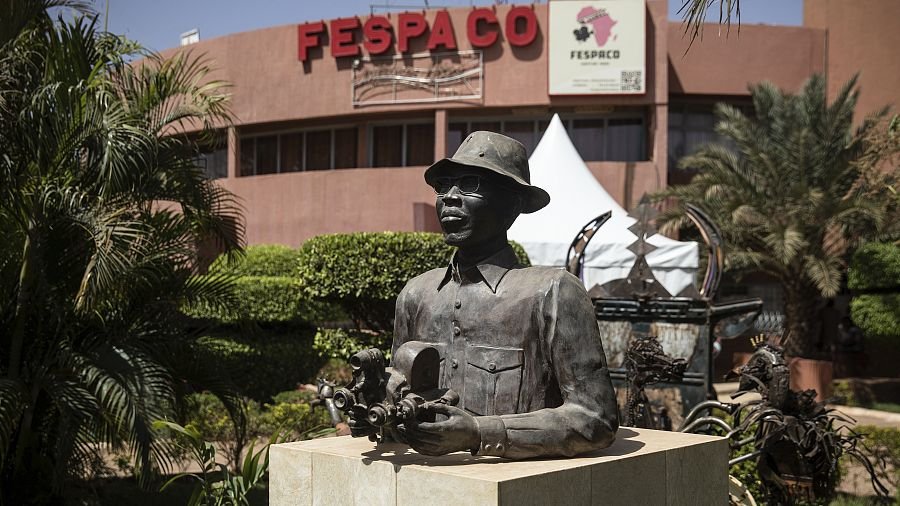
By establishing Dakar as Africa's cultural capital, Dak'Art has consistently drawn comparisons to other landmark festivals including FESPACO in Ouagadougou for cinema, the Lagos Jazz Festival for music, Sauti za Busara in Tanzania, MASA in Abidjan, and the Stellenbosch Triennale. These gatherings together form Africa's ecosystem of festivals, yet Dak'Art remains unique in its exclusive focus on visual arts. The biennale amplifies painting, sculpture, installation, and photography within this broader landscape, ensuring visual creators receive the same global spotlight afforded to musicians and filmmakers.
Senegal's Mbalax music heritage, rooted in Wolof traditions of rhythmic storytelling and communal performance, finds visual parallels at Dak'Art where artists incorporate griot motifs and textile patterns into contemporary pieces. This cultural synergy strengthens the event's role in preserving and evolving national identity. Over three decades, the biennale has hosted more than 1,500 artists from across Africa, many of whom credit their first major international exposure to Dakar exhibitions.
The legacy includes partnerships with institutions in Johannesburg and Accra that facilitate artist residencies and touring shows. Dak'Art's emphasis on Wolof linguistic elements, such as exhibition titles in local languages, grounds the international platform in Senegalese authenticity. This approach has inspired similar initiatives in other cities while maintaining Dakar's position as the continent's foremost visual arts destination.
Through consistent programming since 1992, the biennale counters historical marginalization of African creators by prioritizing their narratives. Networks forged here have led to cross-city collaborations, such as joint exhibitions between Dakar-based artists and those from Nairobi's Kuona Trust. The event's biennial rhythm allows time for reflection and growth, mirroring the cyclical nature of Wolof agricultural and ceremonial calendars.
Ultimately, Dak'Art elevates African creativity by integrating visual arts into the continent's festival ecosystem alongside FESPACO, Sauti za Busara, and the Stellenbosch Triennale. Its impact resonates in the careers of artists who transition from Dakar stages to global museums, reinforcing Senegal's diplomatic soft power through culture.
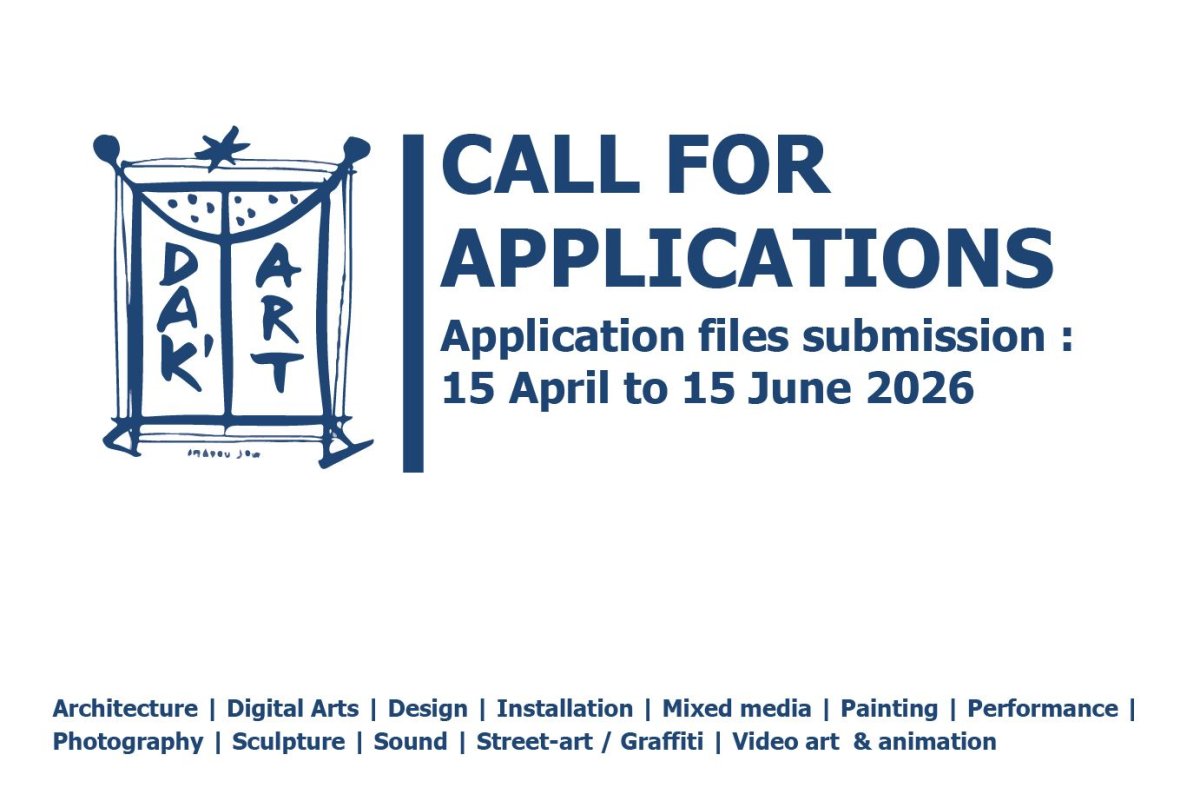
The 15th Edition: Xàll wi and the Wake
The 15th edition of Dak'Art ran from November 7 to December 7, 2024, under the theme "The Wake" translated as Xàll wi in Wolof, inviting reflection on memory, loss, and renewal. President Bassirou Diomaye Faye officially opened the event at the main venue in Dakar, underscoring governmental commitment to the arts. The edition featured over 80 artists from 35 African countries, with installations exploring postcolonial legacies and environmental concerns.
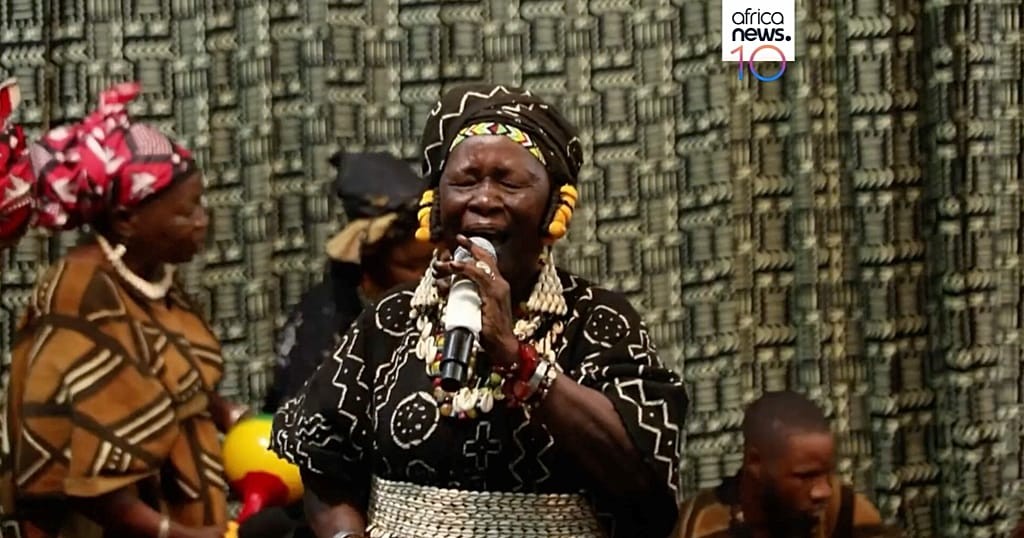
The OFF program extended beyond central Dakar to Saint-Louis and Louga, hosting dozens of independent exhibitions, performances, artist talks, and pop-up events in historic venues such as the Saint-Louis Cathedral annex and Louga community centers. These satellite activities engaged local audiences directly, transforming everyday spaces into sites of contemporary dialogue. Africanews provided video coverage of the 2024 edition, highlighting the biennale's opening and artist interviews.
The Senegalese Minister of Culture described Xàll wi as an invitation to Africans to reclaim their cultures and remain open to reinvention amid global changes. Specific Senegalese artists including Soly Cissé and Penda Diop presented works addressing urban transformation in Medina and Plateau neighborhoods. Their pieces incorporated recycled materials and traditional motifs, resonating with audiences navigating rapid societal shifts.
Venues such as the Musée des Civilisations Noires and the Village des Arts hosted core exhibitions, while OFF events in Saint-Louis featured performances blending visual art with live Wolof poetry. The decentralized model ensured participation from regional communities, broadening access beyond the capital. This approach built on precedents from earlier editions that similarly reached Thiès and Ziguinchor.
Critics noted how Xàll wi connected personal narratives to collective African experiences, with installations referencing the transatlantic slave trade and contemporary migrations. President Faye's presence at the opening reinforced the biennale's status as a national priority. The 2024 edition attracted over 50,000 visitors, including collectors from Europe and the Americas.
Through its thematic depth and geographic reach, the 15th edition demonstrated Dak'Art's capacity to evolve while honoring Wolof concepts of communal awakening. The OFF program's success in Saint-Louis and Louga set expectations for expanded regional engagement in future cycles.
Morad Montazami: A New Artistic Vision
Morad Montazami was appointed Artistic Director for the 16th edition, bringing his expertise as a curator and art historian specializing in North African and Middle Eastern modernisms. His previous work includes exhibitions at Tate Modern and the Centre Pompidou, where he explored transcultural exchanges. This background positions him to guide Dak'Art toward deeper integration of diasporic perspectives.
Under Montazami's leadership, the biennale issued an international call for curatorial projects alongside the artist open call. Selected proposals will shape sections of the main International Exhibition, scheduled across Dakar venues from November 19 to December 19, 2026. His vision emphasizes archival research and intergenerational dialogues, drawing on his publications about artists such as Mohamed Melehi.
Previous artistic directors have left distinct marks on Dak'Art, from the foundational emphasis on Senegalese painters in the 1990s to more recent focuses on digital media and performance. Montazami's appointment signals a return to rigorous historical contextualization while embracing emerging media. He has indicated plans to highlight connections between Senegalese traditions and broader African visual languages.
The curatorial framework under Montazami encourages proposals that address climate resilience and cultural restitution, themes resonant with Senegal's coastal communities. His international network facilitates partnerships with museums in Marrakech and Johannesburg, expanding the biennale's reach. This approach builds on the event's history of fostering cross-continental exchanges.
Montazami's tenure promises to strengthen Dak'Art's academic dimension through accompanying publications and symposia. By blending his curatorial experience with local knowledge, he aims to position the 16th edition as a laboratory for new ideas. The open call for curatorial projects ensures diverse voices contribute to the final program.
His leadership aligns with Senegal's cultural policy of equitable access, ensuring the biennale remains grounded in Dakar while engaging global audiences. Montazami's appointment marks a new chapter that honors the legacy since 1992 while charting innovative directions.
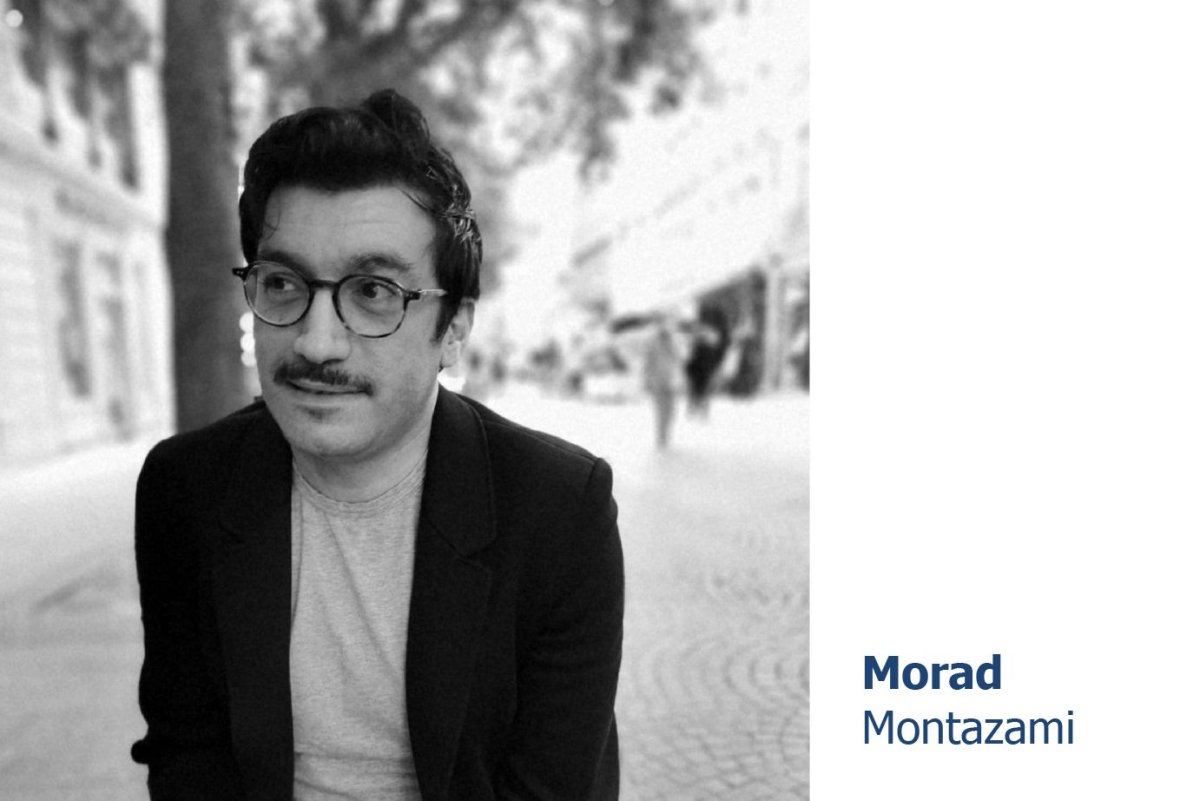
Open Call: No-Fee Entry for African Visual Artists
The open call for the 16th Dakar Biennale sets a deadline of June 15, 2026, with no application fee required for African visual artists. This accessible model removes financial barriers that often exclude emerging talents from cities such as Accra and Johannesburg. Selected artists receive dedicated exhibition space within the International Exhibition and associated catalogs.
A separate international call for curatorial projects invites proposals from exhibition makers worldwide, fostering collaborative frameworks. The no-fee policy reflects Senegal's cultural policy of inclusive participation, ensuring artists from varied economic backgrounds can apply. Successful applicants join a network that has propelled previous participants to shows at the Venice Biennale and Documenta.
Artists discovered at earlier Dak'Art editions, including those from Lagos and Nairobi, have secured representation with major galleries and acquisitions by institutions such as the Museum of Modern Art in New York. The 2026 open call continues this trajectory by prioritizing diversity in media and regional representation. The Ministry of Culture, Crafts, and Tourism oversees the transparent selection process.
This equitable approach encourages submissions from underrepresented areas, including rural Senegalese communities and diaspora artists based in Europe. The biennale's commitment to accessibility has become a model cited by organizers of the Stellenbosch Triennale. No-fee entry aligns with Wolof principles of communal sharing and hospitality.
Applicants benefit from mentorship opportunities and professional development workshops organized alongside the main program. The deadline of June 15, 2026, allows ample time for preparation, with results announced by September. This structure supports the event's goal of nurturing long-term careers rather than one-off exposures.
By maintaining no application fees, Dak'Art reinforces its role as an inclusive platform within Africa's art ecosystem. The policy ensures the 16th edition continues attracting fresh voices that enrich global conversations about contemporary African expression.
Beyond Dakar: How the OFF Program Reaches Communities
Dak'Art OFF extends the biennale beyond central Dakar, with the 2024 edition reaching Saint-Louis and Louga through dozens of independent events. The 2026 model will maintain this decentralized structure, incorporating satellite exhibitions in regional venues and community spaces. Local residents engage directly with contemporary art through workshops, performances, and open studios.
This outreach supports Senegal's cultural tourism by encouraging visitors to travel between cities, boosting local economies in Saint-Louis's historic island district and Louga's markets. The OFF program mirrors grassroots participation seen at festivals like Sauti za Busara, where audiences actively shape the experience. Satellite activities connect visual arts to musical traditions including Highlife and Amapiano rhythms.
In 2026, independent curators and collectives in Medina and Plateau neighborhoods will host parallel events, expanding access for Dakar residents unable to attend main venues. The decentralized approach fosters ownership among regional communities, who often contribute local materials and narratives to installations. This mirrors the biennale's founding ethos of cultural democracy.
OFF events in previous cycles have included artist talks in Louga schools and pop-up performances along Saint-Louis's colonial-era streets. These activities attract families and youth, building future audiences for African contemporary art. The model encourages cross-pollination between visual creators and musicians performing Mbalax-infused sets.
By reaching beyond the capital, the OFF program strengthens national cohesion and counters urban-centric narratives. It aligns with governmental efforts to promote cultural infrastructure across Senegal's regions. Visitors exploring these satellites gain deeper insight into how contemporary art intersects with daily life.
The 2026 OFF program will continue this expansion, ensuring the biennale's impact resonates in communities far from the main exhibition halls. This geographic breadth distinguishes Dak'Art within Africa's festival landscape.
Dak'Art at the Heart of Africa's Global Art Moment
Contemporary African art is experiencing a global boom, evidenced by record sales at Christie's and Sotheby's for artists such as El Anatsui and Njideka Akunyili Crosby. Dak'Art provides a dedicated platform that feeds directly into these international markets and museum acquisitions. The biennale's visibility helps position African creators within the highest echelons of the global art economy.
The event attracts international collectors, curators, artists, and critics from across Africa and the diaspora, fostering transactions and collaborations that extend well beyond the exhibition dates. Implications for Africa's creative economy include job creation in curation, fabrication, and cultural tourism. The biennale also reinforces cultural identity by prioritizing authentic expressions over external expectations.
Dak'Art counters stereotypes by showcasing nuanced works that address both local realities and universal themes. Exhibitions in Medina and Plateau venues have historically challenged simplistic narratives, presenting complex explorations of identity and history. This authenticity resonates with global audiences seeking substantive engagement with African perspectives.
The 16th edition will build on this momentum, with Morad Montazami's curatorial direction likely to attract new institutional partners. Record auction results underscore the market's appetite for African contemporary art, yet Dak'Art remains the essential on-the-ground discovery point. Its role in the ecosystem ensures emerging talents gain traction before entering commercial circuits.
Through sustained programming since 1992, the biennale has contributed to a shift in how African art is valued and collected worldwide. The presence of critics from major publications amplifies coverage, translating local exhibitions into global discourse. This dynamic supports broader conversations about restitution and representation.
Dak'Art stands at the center of Africa's global art moment by bridging grassroots creativity with international recognition. Its continued success promises lasting benefits for the continent's cultural and economic landscape.
What to Watch For
Morad Montazami's integration of open calls into the final program will determine the 16th edition's character, blending established voices with fresh perspectives from the June 15, 2026, submissions. The combination of the International Exhibition and expansive OFF program across Dakar, Saint-Louis, and Louga promises a multifaceted experience. Observers anticipate innovative curatorial projects that reflect his archival approach.
The no-fee model may serve as a template for other festivals seeking broader participation, influencing events such as the Stellenbosch Triennale. Senegal's cultural lens, rooted in Wolof traditions and Mbalax rhythms, will remain central to global discussions about African art. The edition will advance networks and visibility gains established since 1992.
Future editions across the continent stand to benefit from Dak'Art's decentralized and accessible framework. The 16th biennale will likely set new benchmarks for inclusivity and thematic depth.
With its dates set for November 19 to December 19, 2026, the event invites the continent to witness another chapter in Africa's artistic evolution.
By Amara Diop, Staff Writer
This article was produced with AI-assisted research and editorial support. Reporting is based on sources cited in the article.
What's Your Reaction?
 Like
0
Like
0
 Dislike
0
Dislike
0
 Love
0
Love
0
 Funny
0
Funny
0
 Wow
0
Wow
0
 Sad
0
Sad
0
 Angry
0
Angry
0
West Africa/Sahel Correspondent at Global1.News. Dakar-based journalist covering politics, security, climate, and development across Francophone and Anglophone West Africa. Tells the stories of a region undergoing profound transformation.











Comments (0)