
Russia Says It Will Widen 'Buffer Zone' in Response to Ukrainian Strikes
The Kremlin's Firm Stance on Buffer Zone Expansion Kremlin spokesman Dmitry Peskov stated on Friday that Ukraine's ongoing drone and missile strikes inside Russia provide justification for widening the so-called buffer zone in eastern Ukraine. He emphasized that escalation from Kyiv would lead Moscow to enlarge this security perimeter rather than engage in diplomatic talks. Pes
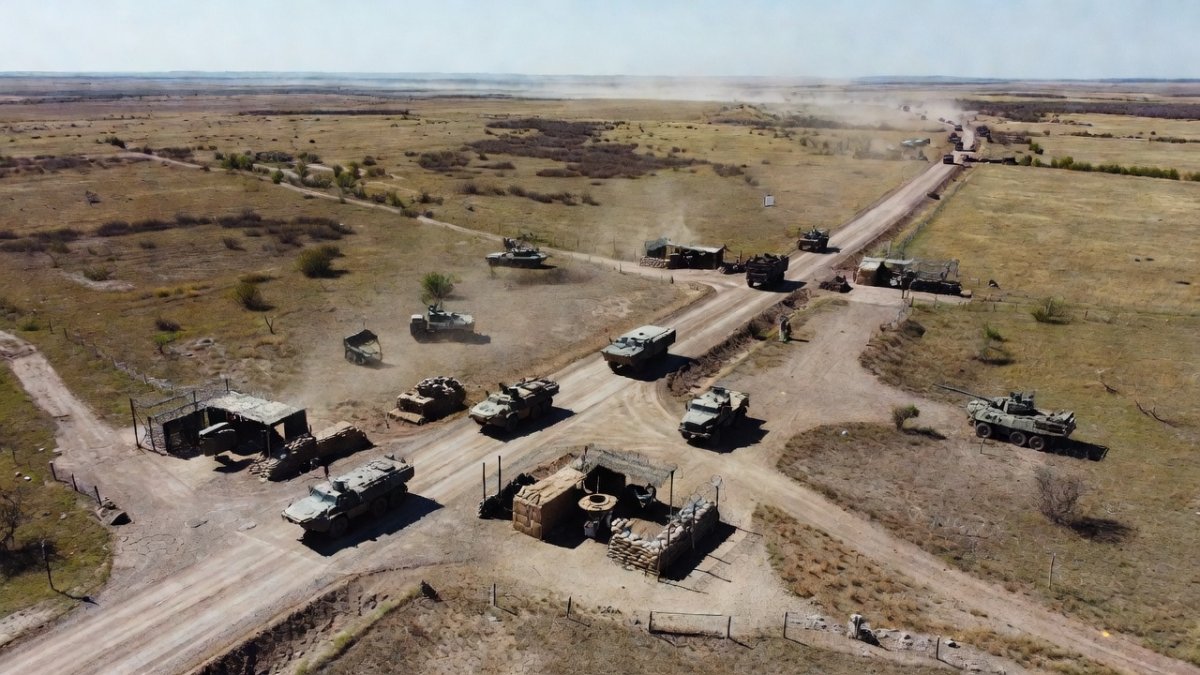
The Kremlin's Firm Stance on Buffer Zone Expansion
Kremlin spokesman Dmitry Peskov stated on Friday that Ukraine's ongoing drone and missile strikes inside Russia provide justification for widening the so-called buffer zone in eastern Ukraine. He emphasized that escalation from Kyiv would lead Moscow to enlarge this security perimeter rather than engage in diplomatic talks. Peskov's remarks followed his Thursday comments dismissing U.S. President Donald Trump's suggestions that strikes on Russian oil facilities might hasten an end to the conflict, labeling such views as misconceptions.
These statements align with President Vladimir Putin's televised remarks to Russian troops last week, where he linked further Ukrainian attacks to the need for a larger buffer zone on adjacent territory. Putin described the areas involved as historically Russian land and indicated that enemy actions would necessitate expanded control. Peskov confirmed that Putin's position remains unchanged, with the special military operation continuing because Ukraine shows no inclination toward peace.
Reuters, drawing on three sources close to the Kremlin, reported that Putin has rejected advisers' recommendations for a ceasefire. One source highlighted a high probability of escalation in the coming months, underscoring Moscow's commitment to military objectives over negotiations at this stage.
Historical Development of the Buffer Zone Since Spring 2025
Putin first directed the establishment of the buffer zone in spring 2025 following Ukraine's extended incursion into Russia's Kursk region. The measure aimed to create a defensive perimeter along the border to prevent similar cross-border operations. Since then, the zone's boundaries have extended into additional Ukrainian regions without clear public definition, reflecting an evolving military doctrine focused on territorial security.
This approach draws on longstanding Russian concepts of buffer territories to shield core areas from direct threats. The initial response to the Kursk events set a precedent for incremental expansion tied directly to perceived Ukrainian provocations. Over time, the policy has incorporated more territory while maintaining ambiguity about final limits, allowing flexibility in response to battlefield developments.
Ordinary Russians in border areas have experienced heightened security measures as a result, while Ukrainian populations in affected zones face uncertainty over governance and movement. The doctrine prioritizes preventing future incursions at the cost of prolonged engagement in contested regions.
Internal Dynamics Within Kremlin Decision-Making
Putin's rejection of ceasefire proposals from his advisers illustrates a centralized approach to strategy, where final authority rests with the president despite input from surrounding officials. Sources indicate that discussions occurred recently, yet the leader opted for continued operations amid reports of potential escalation. This dynamic highlights the limited influence of moderate voices when security concerns dominate.
The Foreign Ministry and Defense Ministry have aligned publicly with this direction, framing the buffer zone as essential for long-term stability. Peskov's briefings reinforce the narrative that Ukrainian actions leave no room for compromise. Such unity in messaging suggests coordinated efforts to present a resolute front both domestically and internationally.
Analysts note that this decision-making pattern echoes earlier phases of the conflict, where Putin has overridden calls for restraint in favor of territorial gains. The process involves weighing military assessments against political considerations, with escalation risks factored into the calculus.
Strategic Logic Behind Dismissing Ceasefire Options
Moscow views the buffer zone expansion as a direct counter to Ukrainian strikes, arguing that diplomatic pauses would only allow Kyiv to regroup and intensify attacks. Putin has tied the policy to protecting historically claimed lands, positioning it as non-negotiable. This logic prioritizes creating defensible depth over immediate de-escalation.
By linking zone growth to specific Ukrainian actions, the Kremlin maintains operational initiative and avoids appearing reactive. Reuters sources suggest that advisers' ceasefire arguments were set aside due to assessments that current momentum favors further advances. The approach reflects a calculation that sustained pressure will eventually force Ukrainian concessions on security terms.
Western observers, including those from NATO circles, interpret this stance as evidence that Moscow sees military dominance as the path to favorable outcomes. EU statements have urged renewed talks, yet Russian officials maintain that Ukrainian behavior precludes such steps for now.
Energy Infrastructure Strikes and Their Consequences
Ukrainian attacks on Russian oil refineries and related facilities have prompted direct rebuttals from Peskov, who rejected claims that such targeting could accelerate peace. These strikes have affected energy production in several regions, raising questions about supply stability. The Kremlin's response ties these incidents to the need for broader territorial control to safeguard critical assets.
Defense Ministry statements have highlighted the protection of infrastructure as a core objective of the buffer zone policy. Expansion into eastern Ukrainian areas could provide additional layers of defense against long-range strikes. This dimension adds economic stakes to the military calculations, as disruptions to refining capacity carry domestic implications.
Analysts from Reuters and other outlets suggest that continued targeting of energy sites may prolong the conflict by hardening Russian positions. The interplay between infrastructure vulnerabilities and territorial strategy underscores the challenges in reaching negotiated settlements.
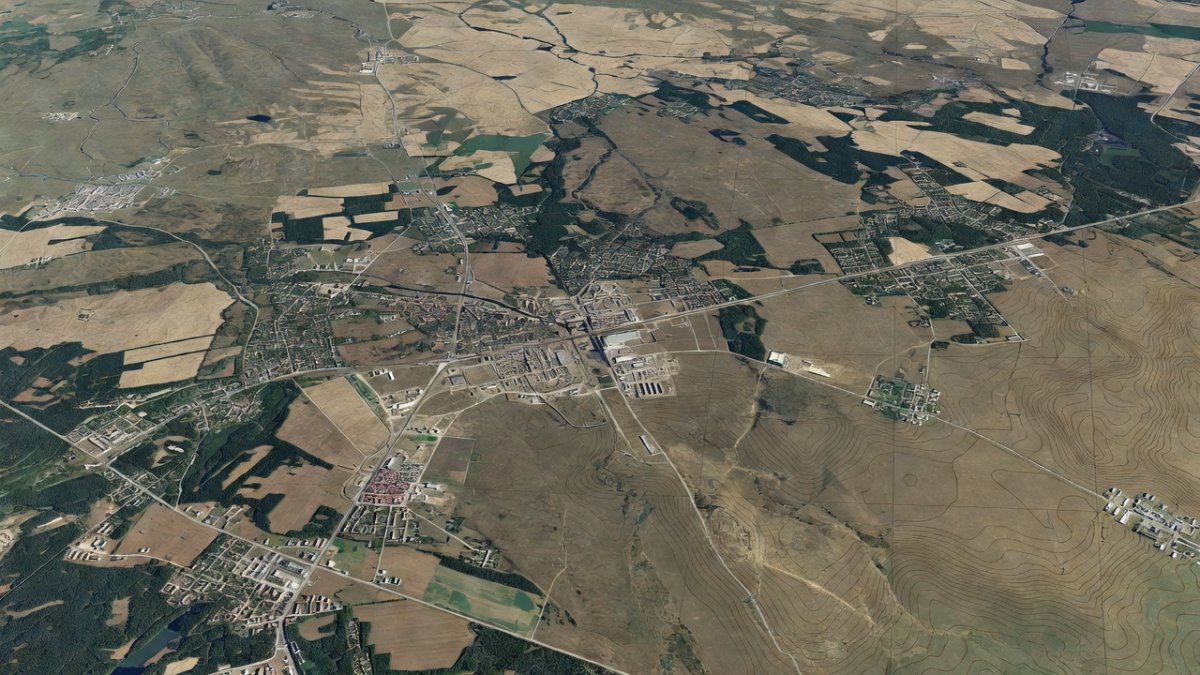
Effects on Civilians in the Designated Territories
Residents in Ukrainian regions incorporated into the expanding buffer zone encounter restrictions on movement and access to services amid shifting front lines. The policy's growth since spring 2025 has displaced communities and complicated daily life in border-adjacent areas. Ukrainian authorities have condemned these developments as violations of sovereignty.
Russian officials describe the measures as necessary for security, yet reports indicate strains on local resources and governance structures. The ambiguity surrounding zone boundaries leaves civilians uncertain about future administration. This situation affects both Ukrainian populations and any Russian citizens involved in support roles.
International humanitarian organizations have called for protections in these areas, while NATO statements emphasize the risks of further escalation. The human dimension remains central to assessments of the policy's sustainability.
Resource Implications for Russia's Military and Economy
Sustaining an expanded buffer zone requires ongoing allocation of troops and equipment, drawing from broader military reserves. The Defense Ministry has managed these demands alongside other operational priorities since the zone's inception. Economic pressures from energy sector disruptions compound the challenges of prolonged commitments.
Putin's decisions reflect calculations that short-term resource strains will yield long-term security benefits. Sources close to the Kremlin indicate awareness of these costs, yet escalation remains the chosen path. This approach influences domestic priorities, including industrial output tied to defense needs.
Western analysts point to potential limits on Russia's capacity if Ukrainian strikes persist, though Kremlin messaging stresses resilience. The balance between military sustainment and economic stability shapes the trajectory of the buffer zone strategy.
Western Assessments of the Conflict's Future Path
Analysts in Europe and the United States view the buffer zone expansion as signaling Moscow's intent to pursue territorial objectives through force rather than talks. EU representatives have advocated for diplomatic engagement, contrasting with the Kremlin's emphasis on security preconditions. NATO assessments highlight risks of wider instability if the pattern continues.
Reuters reporting on internal Russian debates suggests that Putin's rejection of ceasefire advice points to extended fighting ahead. This trajectory could affect regional energy markets and civilian safety across borders. Perspectives from Ukrainian officials frame the developments as aggressive expansionism requiring unified international response.
Overall, these interpretations frame the buffer zone policy as a pivotal element in determining whether negotiations gain traction or military actions dominate in the period ahead. The interplay of stated positions from all sides continues to define the conflict's parameters.
By Irina Volkov, Staff WriterThis article was produced with AI-assisted research and editorial support. Reporting is based on sources cited in the article.
What's Your Reaction?
 Like
0
Like
0
 Dislike
0
Dislike
0
 Love
0
Love
0
 Funny
0
Funny
0
 Wow
0
Wow
0
 Sad
0
Sad
0
 Angry
0
Angry
0

Russia/Eastern Europe Correspondent at Global1.News. Covering Russian politics, energy, security, and the shifting dynamics of the post-Soviet space. Provides clear-eyed analysis on one of the world's most opaque regions.









Comments (0)