
How 'Chitta' Took Over Himachal Pradesh - A Public Health Emergency
How 'Chitta' Took Over Himachal Pradesh — A Public Health Emergency In the serene valleys of Himachal Pradesh, a silent public health emergency has taken root. Locally produced heroin known as 'chitta' has spread rapidly across districts once considered insulated from large-scale narcotics abuse. Narcotics Drugs and Psychotropic Substances (NDPS) cases surged 28 percent in 2025
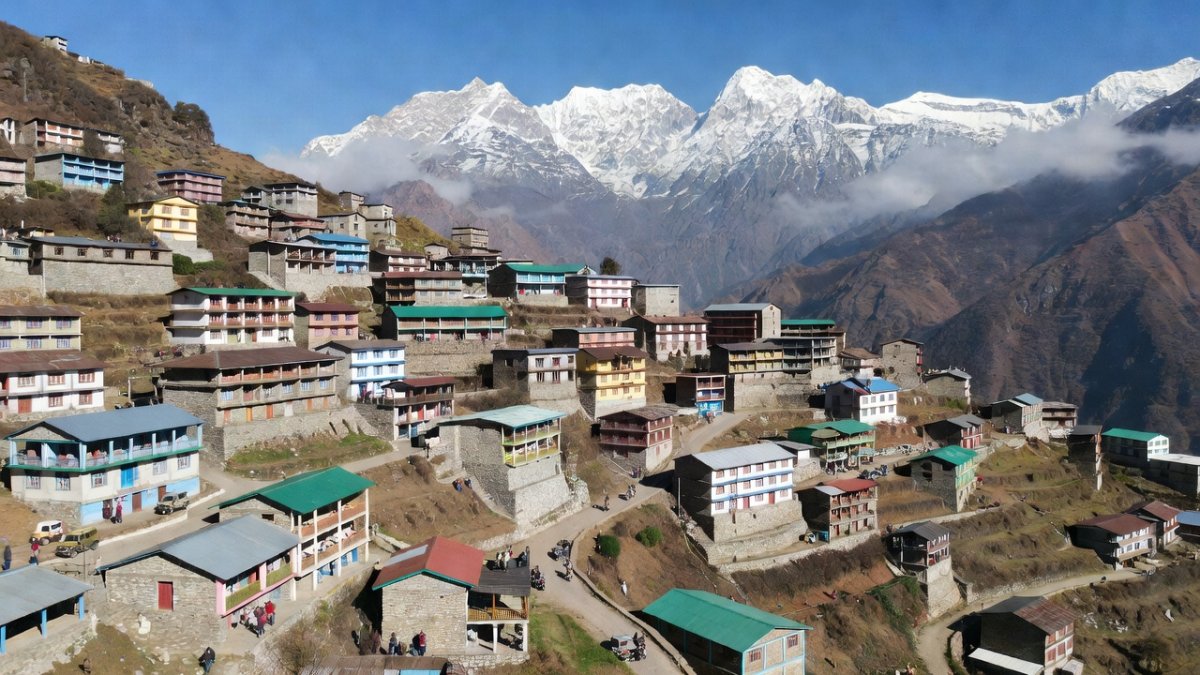
In the serene valleys of Himachal Pradesh, a silent public health emergency has taken root. Locally produced heroin known as 'chitta' has spread rapidly across districts once considered insulated from large-scale narcotics abuse. Narcotics Drugs and Psychotropic Substances (NDPS) cases surged 28 percent in 2025, climbing from 1,537 in the first eleven months of 2024 to 1,967 in the same period this year. With 2,807 people arrested—including 110 women—and 36.657 kg of chitta seized, the state confronts a crisis that threatens its youth, families and future economic productivity.
The scale of the problem extends beyond traditional urban pockets. Mandi recorded 297 cases, Shimla 255, Bilaspur 233 and Kullu 208. Even the remote tribal districts of Lahaul-Spiti and Kinnaur, which reported zero cases five years ago, now register trafficking activity. A study at Indira Gandhi Medical College (IGMC) Shimla found that 60 percent of patients visiting the outpatient department are drug-dependent, with 44 percent specifically addicted to heroin. Over the past three years, 66 overdose deaths have been officially recorded, underscoring the lethal consequences of delayed intervention.
The Numbers Behind the Crisis
The statistical picture reveals both the intensity of enforcement and the depth of the problem. Authorities have identified 12,000 individuals linked to drug abuse or trafficking. Under the Prevention of Illicit Traffic in Narcotic Drugs and Psychotropic Substances (PIT-NDPS) Act, 46 key traffickers have been detained and assets worth ₹48 crore seized. These figures represent the largest coordinated crackdown in the state's history, yet they also indicate how deeply entrenched the networks have become. The 28 percent year-on-year rise in NDPS cases suggests that increased policing is uncovering a larger hidden market rather than simply deterring supply.
How Chitta Reached the Hills
Chitta supply in Himachal Pradesh is directly linked to spillover from the Punjab-Pakistan-Afghanistan trafficking corridor. Porous borders and established overland routes that once carried opium and synthetic drugs into Punjab have extended eastward into the hill state. What began as small consignments a few years ago has evolved into a decentralised production and distribution system. The state's first-mover policy of classifying every panchayat as red, yellow or green according to drug vulnerability has exposed how quickly the problem migrated from border districts to interior villages. Panchayats have responded with social boycotts and a reward scheme offering ₹5,000 to ₹5 lakh for credible tip-offs, measures that reflect both community desperation and the limits of formal policing alone.
Women Enter the Drug Trade — A Disturbing Shift
One of the most alarming developments is the growing involvement of women as couriers. Of the 2,807 arrests in 2025, 110 were women, including a practising lawyer and an MBA graduate. Economic pressures, combined with the perception that female carriers attract less scrutiny, have drawn educated women into the trade. This shift carries long-term social consequences: children of arrested mothers face stigma and disrupted education, while female incarceration rates strain the state's limited rehabilitation infrastructure. The trend mirrors patterns observed in Punjab but accelerates faster in Himachal because of the smaller population base and tighter social networks.
The Government Response — Policy and Enforcement
Chief Minister Sukhvinder Singh Sukhu launched the 'Anti-Chitta Abhiyaan' on 15 November 2025, making Himachal the first Indian state to institutionalise panchayat-level colour coding for drug vulnerability. Drug testing has been made mandatory for all government recruitments, and Anti-Drug Clubs along with Prahari Clubs now operate in schools and colleges. These steps combine enforcement with prevention, yet they also highlight gaps in healthcare. The 60 percent drug-dependence rate among IGMC OPD patients points to an urgent need for expanded de-addiction beds, mental-health counselling and evidence-based substitution therapy—services that remain unevenly distributed across districts.
What This Means for India
Himachal's experience carries national implications. The NDPS Act framework, while strengthened through PIT-NDPS detentions, still lacks integrated rehabilitation mandates and real-time data sharing between states. The spillover from Punjab demonstrates that isolated border-centric strategies are insufficient; a coordinated regional approach involving Punjab, Haryana and Himachal is required. Youth unemployment, easy availability of precursor chemicals and weak border surveillance continue to fuel demand. If left unaddressed, the Himachal model risks replication in other hill and tribal states where enforcement capacity is even lower. India's broader drug policy must therefore shift from episodic crackdowns toward sustained investment in public-health infrastructure, school-based prevention and cross-border intelligence.
The Bottom Line
The chitta epidemic in Himachal Pradesh is no longer a localised law-and-order issue; it is a measurable public-health emergency with quantifiable human and economic costs. The 28 percent rise in NDPS cases, the involvement of 110 women, the 66 overdose deaths and the penetration into previously untouched tribal districts together demand a response that matches the scale of the data. Without accelerated healthcare capacity and regional coordination, the crisis will continue to extract a rising toll on India's next generation.
— By Dr. Raj Patel, Staff WriterThis article was produced with AI-assisted research and editorial support. Reporting is based on sources cited in the article.
What's Your Reaction?
 Like
0
Like
0
 Dislike
0
Dislike
0
 Love
0
Love
0
 Funny
0
Funny
0
 Wow
0
Wow
0
 Sad
0
Sad
0
 Angry
0
Angry
0

Caribbean Correspondent at Global1.News. Based in Port of Spain, Trinidad, covering Caribbean politics, economy, energy, climate, and culture. Amplifying the voices and stories of the Caribbean region.














Comments (0)