
Turkiye Considers S-400 Transfer Amid F-35 Deal Prospects
Moscow-Ankara Axis Tested: Turkiye Weighs S-400 Transfer as F-35 Deal Beckons Turkey's S-400 Dilemma in Broader Middle East Power Dynamics Turkiye's reported consideration of transferring its Russian S-400 air defense systems to an unnamed Gulf country unfolds against a backdrop of shifting alliances across the Middle East. The potential move intersects with longstanding rivalr
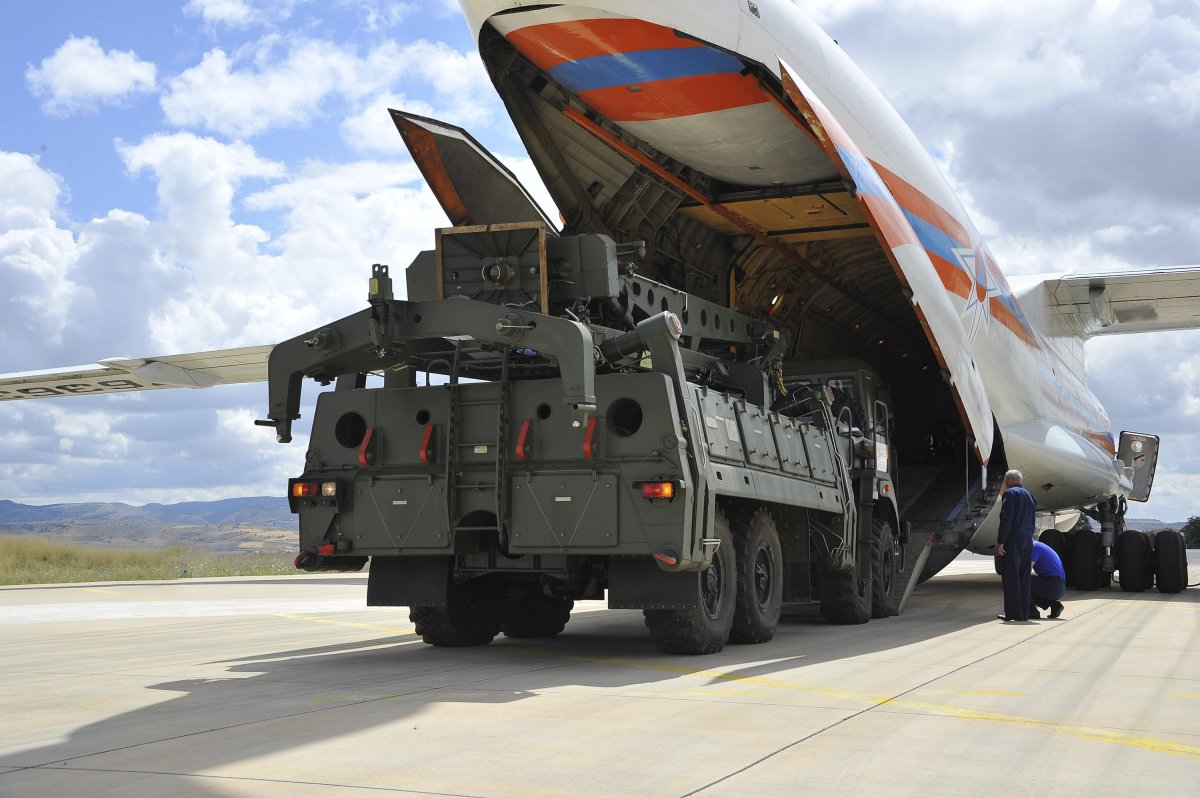
Moscow-Ankara Axis Tested: Turkiye Weighs S-400 Transfer as F-35 Deal Beckons
Turkey's S-400 Dilemma in Broader Middle East Power Dynamics
Turkiye's reported consideration of transferring its Russian S-400 air defense systems to an unnamed Gulf country unfolds against a backdrop of shifting alliances across the Middle East. The potential move intersects with longstanding rivalries involving Iran, Saudi Arabia, and the United Arab Emirates, where air defense capabilities remain central to deterrence calculations. Ankara's balancing act between its NATO commitments and its defense ties with Moscow reflects the wider regional pattern of states seeking leverage through diversified partnerships rather than exclusive alignments.
This development carries second-order effects on Gulf security architectures. Any transfer would introduce Russian-origin systems into an area already populated by Western and Chinese equipment, complicating interoperability and raising questions about data-sharing protocols. Regional actors watch closely, as such a transaction could alter threat perceptions and prompt recalibrations in procurement strategies among multiple capitals.
The S-400 Purchase: A Brief History
Turkiye acquired the S-400 systems from Russia in 2019, a decision that immediately triggered US countermeasures. Washington removed Ankara from the F-35 joint strike fighter program, in which Turkiye had served as a production partner, and later imposed sanctions on its NATO ally. US officials argued that the Russian platform posed risks to the stealth fighter and conflicted with alliance standards, while Turkish authorities maintained that the two systems could coexist and proposed a technical commission to examine compatibility.
Ankara consistently asserted that it had met its obligations under the F-35 arrangement and that the suspension violated prior agreements. The episode highlighted the tension between national sovereignty in defense procurement and collective alliance expectations, a friction that has persisted without resolution until recent diplomatic signals.
Trump-Erdogan Reset: Sanctions Relief and the F-35 Promise
Relations between Washington and Ankara have warmed since President Donald Trump returned to office. During a meeting alongside President Recep Tayyip Erdogan ahead of this week's NATO summit, Trump indicated that the United States would lift sanctions on Turkiye and expressed openness to selling F-35 jets. The statement represented the most concrete gesture yet in the renewed personal rapport between the two leaders.
Erdogan voiced confidence that Trump would address the long-standing dispute. Turkish officials have long argued that access to the F-35 would enhance not only national capabilities but also NATO's overall posture in the region. The current diplomatic opening therefore carries implications beyond bilateral ties, potentially reshaping Ankara's strategic options within the alliance framework.
The Kremlin's Calculus: Moscow's Reaction and the Gulf Transfer Speculation
Kremlin spokesperson Dmitry Peskov described the reported resale discussions as an extremely sensitive issue. He confirmed that Moscow remains in contact with the Turkish side and intends to continue those exchanges. The statement followed media reports, including coverage in Daily Hurriyet, suggesting that Turkiye might announce a transfer of the S-400 missiles to a Gulf nation in exchange for renewed US cooperation on the F-35.
Russia's measured response reflects its interest in preserving defense relationships even when equipment changes hands. Moscow must weigh the precedent of a NATO member reselling its systems against the opportunity to maintain dialogue with Ankara. The episode tests the durability of the Moscow-Ankara channel amid competing pressures from Washington.
Strategic Implications for the Gulf
Speculation centers on an unnamed Gulf country as the potential recipient of the S-400 systems. Such a transfer would introduce Russian air defense technology into a theater where several states already operate layered Western systems. The move could offer the acquiring nation an additional layer of coverage while simultaneously complicating coordination with existing US-supplied assets.
Gulf capitals evaluate these developments through the lens of their own threat assessments and diversification strategies. A successful transaction might encourage further interest in non-Western platforms, altering long-term procurement patterns and influencing how regional actors approach interoperability with NATO partners.
NATO Cohesion and Turkey's Balancing Act
Turkiye's position within NATO has long involved managing multiple vectors of influence. The current S-400 discussions occur at a moment when alliance members seek greater unity on defense industrial policy and technology protection. Any resale would require careful navigation of export controls and alliance consultation mechanisms.
Ankara continues to emphasize its contributions to collective defense while pursuing independent procurement choices. The outcome of the F-35 discussions will likely shape how other NATO members view Turkey's reliability as both a consumer and potential supplier of advanced systems.
Regional Implications for Middle East Alignments
The interplay between the S-400 question, F-35 access, and Gulf interest illustrates the fluid nature of Middle East security partnerships. States across the region continue to pursue hedging strategies that combine elements from multiple suppliers, seeking to maximize autonomy while minimizing exposure to any single external power.
Should the reported transfer advance, it could accelerate similar calculations elsewhere, prompting adjustments in defense planning and diplomatic outreach. The episode underscores how bilateral defense decisions between Ankara and Moscow reverberate through wider networks of Gulf and Mediterranean relationships, influencing the broader distribution of military capabilities in the coming years.
By Malik Hassan, Staff WriterThis article was produced with AI-assisted research and editorial support. Reporting is based on sources cited in the article.
What's Your Reaction?
 Like
0
Like
0
 Dislike
0
Dislike
0
 Love
0
Love
0
 Funny
0
Funny
0
 Wow
0
Wow
0
 Sad
0
Sad
0
 Angry
0
Angry
0

Middle East Correspondent at Global1.News. Based in Beirut, covering politics, conflict, energy, and society across the Middle East. Brings context and depth to a region often reduced to headlines.












Comments (0)