
British Airways Extends Flight Cancellations to Israel Through October as Regional Uncertainty Persists
British Airways Halts Tel Aviv Flights Through Peak Summer Season British Airways announced this week that it is extending the suspension of flights to most Middle East destinations through the end of the summer flight schedule, at least until October 25, 2026. The decision directly affects Tel Aviv's Ben Gurion Airport, along with Dubai, Bahrain, and Amman. Regional security u
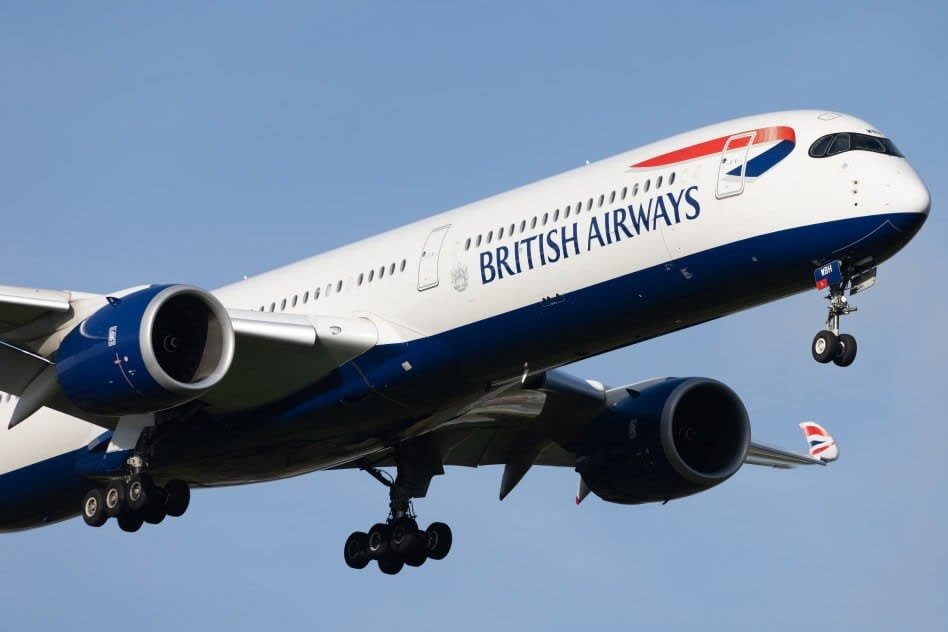
British Airways Halts Tel Aviv Flights Through Peak Summer Season
British Airways announced this week that it is extending the suspension of flights to most Middle East destinations through the end of the summer flight schedule, at least until October 25, 2026. The decision directly affects Tel Aviv's Ben Gurion Airport, along with Dubai, Bahrain, and Amman. Regional security uncertainty and difficulty reaching a stable arrangement with Iran drove the decision to continue freezing routes even during the busiest travel season.
Israeli officials at the Ministry of Transportation have been monitoring these developments closely, noting that the suspension coincides with heightened alerts from security agencies regarding potential escalations involving Iranian proxies operating in multiple theaters. Ben Gurion Airport continues to handle domestic and select international traffic, yet the absence of British Airways flights removes a key link for travelers connecting through London Heathrow to North America and Europe. Tourism operators in Eilat and Jerusalem report early signs of booking shifts as European visitors explore alternative carriers or postpone trips.
From an Israeli perspective, the move underscores how commercial aviation decisions increasingly intersect with broader strategic calculations involving deterrence and regional stability. Government spokespeople have emphasized that El Al and other Israeli carriers remain operational, providing continuity for essential travel. The extension through the peak summer period highlights the persistent challenges posed by unresolved tensions with Tehran and its network of allies across Lebanon, Syria, and Yemen.
Iran Tensions Drive Airline Risk Assessment Across the Region
Iranian activities continue to shape risk evaluations by international carriers operating in the Middle East, with airlines weighing insurance premiums, overflight permissions, and potential threats from ballistic missiles or drone attacks. This week, security assessments referenced ongoing friction along the Israel-Lebanon border and Houthi disruptions in the Red Sea as factors elevating overall exposure for commercial flights. Carriers evaluate not only direct routes into Tel Aviv but also the safety of airspace corridors that pass near conflict zones where Iranian-supplied weapons have been deployed.
Broader Middle East dynamics include the interplay between Iranian nuclear ambitions and proxy operations that affect maritime and aviation lanes alike. Airlines consult data from bodies such as the International Civil Aviation Organization and national aviation authorities when determining whether to maintain service. The calculation often incorporates political signals from Western governments regarding the durability of any de-escalation efforts with Tehran. For Israeli observers, these suspensions reflect how aviation serves as an early indicator of perceived stability, even when ground-level security at Ben Gurion Airport remains robust under the supervision of the Israel Airports Authority.
Regional uncertainty stemming from Iran's support for groups in Gaza, the West Bank, and Iraq adds layers to these decisions. Airlines must factor in the possibility of sudden airspace closures or heightened alert levels issued by Israeli defense forces. This environment forces carriers to balance commercial interests against reputational and financial risks associated with any incident. Israeli analysts note that such caution by European airlines contrasts with the operational resilience demonstrated by local carriers that maintain schedules despite the same threat landscape.
US Carriers Follow Suit: Delta, American, and United Extend Cancellations
Delta, American Airlines, and United have aligned with the pattern set by British Airways by extending pauses on routes to Israel, limiting direct connectivity between major U.S. hubs and Ben Gurion Airport. These adjustments affect travelers who previously relied on nonstop options from New York, Atlanta, and Chicago during the summer months. The decisions reflect parallel risk assessments conducted by U.S. carriers in coordination with the Federal Aviation Administration and their own security teams monitoring developments tied to Iranian influence in the region.
From an Israeli viewpoint, reduced service from American carriers complicates family visits, business exchanges, and academic programs that depend on reliable transatlantic links. Officials in Jerusalem have highlighted the importance of maintaining open channels with Washington, where bipartisan support for Israel remains strong despite aviation disruptions. The extended cancellations mean passengers must route through European or Turkish gateways, adding time and cost to journeys that once took under twelve hours nonstop.
Connectivity losses also influence perceptions of Israel's integration into global networks at a time when diplomatic efforts focus on expanding the Abraham Accords framework. While U.S. carriers cite operational prudence, Israeli tourism boards are working with remaining partners to promote alternative itineraries. The situation illustrates how security concerns originating from Tehran ripple outward, affecting even distant markets and underscoring the need for sustained diplomatic engagement to restore normal flight patterns in the coming months.
Etihad Defies the Trend: Abu Dhabi-Tel Aviv Expansion
Etihad Airways has moved in the opposite direction by increasing flights between Abu Dhabi and Tel Aviv, scheduling up to six daily services beginning June 15 under the framework established by the Abraham Accords. This expansion stands out against the suspensions announced by European and American carriers and reflects the distinct security and political calculations made by Gulf carriers. UAE authorities have maintained stable relations with Israel, allowing aviation ties to deepen even amid wider regional tensions involving Iran.
The growth in Etihad operations provides Israeli travelers with additional options for connections to Asia and Australia while offering Emirati visitors direct access to Ben Gurion Airport. Israeli officials view this development as evidence that normalization agreements can deliver tangible economic benefits when political will aligns with commercial opportunity. Unlike carriers facing pressure from European insurance markets or U.S. regulatory caution, Etihad operates within a bilateral environment shaped by shared interests in countering Iranian regional ambitions.
Business travelers between the two countries have welcomed the increased frequency, which supports sectors ranging from technology to agriculture. The contrast with British Airways and U.S. carriers highlights how different geopolitical alignments produce divergent aviation policies. For Israel, the Etihad expansion reinforces the strategic value of the Abraham Accords in offsetting some of the connectivity shortfalls created by other airlines' decisions amid ongoing uncertainty with Tehran and its proxies.
Impact on Israeli Tourism and Business Travel
The cumulative effect of multiple carrier suspensions has begun to register in Israel's tourism sector, with hotels in Tel Aviv and the Dead Sea region reporting softer advance bookings for the summer period. Business travelers who once used British Airways and U.S. carriers for same-day or overnight connections now face longer routings that reduce efficiency for meetings in Europe and North America. The Ministry of Tourism has responded by intensifying marketing campaigns aimed at markets still served by operational airlines, including those from the Gulf and select Asian carriers.
Israeli companies in the high-tech corridor between Tel Aviv and Haifa rely heavily on face-to-face interactions with international partners, and the aviation constraints add friction to deal-making and investor visits. Economic analyses from the Bank of Israel have flagged potential short-term drags on service exports tied to travel disruptions. Tourism operators are adapting by bundling domestic experiences with flights operated by El Al and Arkia, while exploring partnerships with carriers that continue service through Istanbul or Athens.
Despite the challenges, Israel's security apparatus maintains that Ben Gurion Airport operates under stringent protocols that have kept the facility safe for decades. The industry is therefore focusing on resilience measures such as flexible cancellation policies and enhanced digital promotion to retain core visitors. These adaptations occur against the backdrop of persistent regional tensions that continue to influence airline boardroom decisions far beyond Israel's borders.
What Lies Ahead for Israel's Aviation Sector
Looking forward, Israel's aviation sector faces a period of adjustment as local carriers such as El Al and Arkia absorb additional demand while international partners weigh their return timelines. Ben Gurion Airport authorities are preparing contingency plans for capacity management should the current suspensions extend beyond October. Israeli government discussions emphasize the need for diversified route networks that reduce reliance on any single carrier or region amid the uncertainties generated by Iranian policies.
Projections for the coming months hinge on diplomatic progress regarding de-escalation with Tehran and stabilization along Israel's northern and southern fronts. El Al has signaled readiness to add frequencies on key routes, supported by government incentives aimed at preserving connectivity. The situation also prompts renewed attention to long-term infrastructure projects, including potential development of additional airport facilities to complement Ben Gurion's role.
From the perspective of Israeli media and policy circles, the current aviation landscape serves as a reminder that commercial decisions remain intertwined with national security considerations. Sustained engagement with partners in the Gulf and continued coordination with the United States will be essential for restoring fuller flight schedules. As the summer season unfolds, the sector's ability to adapt will test both operational flexibility and the underlying strength of Israel's diplomatic posture in a volatile region.
By Hannah Berg, Staff WriterThis article was produced with AI-assisted research and editorial support. Reporting is based on sources cited in the article.
What's Your Reaction?
 Like
0
Like
0
 Dislike
0
Dislike
0
 Love
0
Love
0
 Funny
0
Funny
0
 Wow
0
Wow
0
 Sad
0
Sad
0
 Angry
0
Angry
0

Israel Correspondent at Global1.News. Based in Tel Aviv, covering Israeli politics, security, technology, and society. Provides balanced, deeply-sourced reporting on one of the most closely-watched regions in the world.















Comments (0)