
The Trial That Never Was: How Dominion v. Fox News Changed Media Accountability
The Settlement That Stopped Everything In April 2023 the Dominion Voting Systems defamation suit against Fox News ended without a single witness taking the stand. On April 18 the parties announced a $787.5 million settlement, the largest defamation payout in U.S. media history. Jury selection had begun only five days earlier in Wilmington, Delaware, with 300 potential jurors su
The Settlement That Stopped Everything
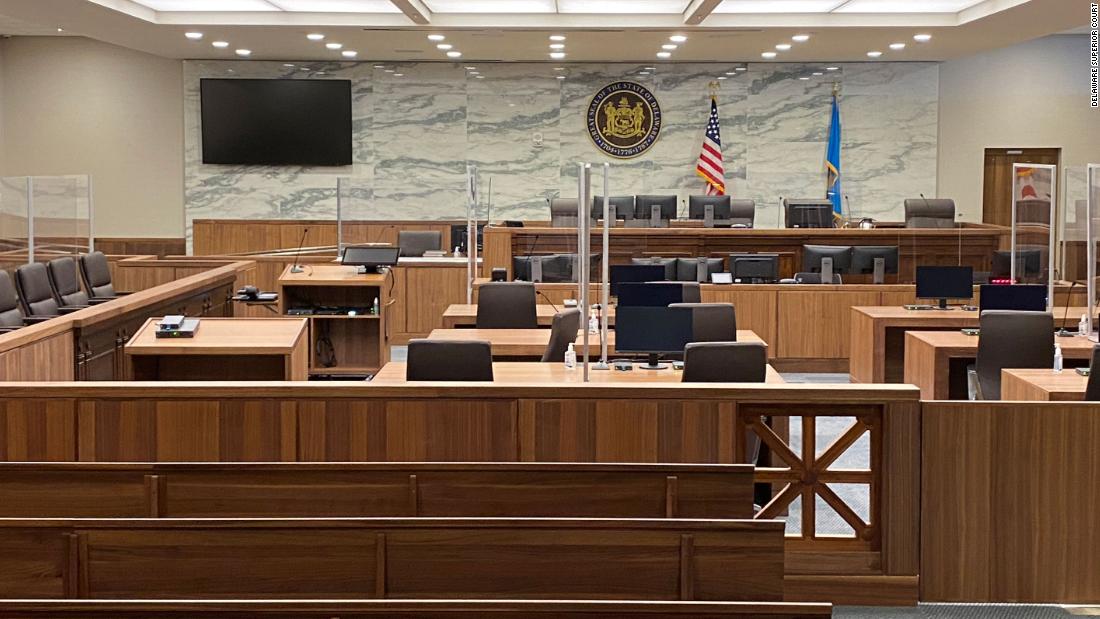
In April 2023 the Dominion Voting Systems defamation suit against Fox News ended without a single witness taking the stand. On April 18 the parties announced a $787.5 million settlement, the largest defamation payout in U.S. media history. Jury selection had begun only five days earlier in Wilmington, Delaware, with 300 potential jurors summoned for what was scheduled to open April 17 in Courtroom 7E. The case simply vanished from the docket.
That abrupt conclusion forced a re-examination of what the public almost witnessed. Internal Fox communications already released by the court showed hosts privately doubting the 2020 election-fraud claims they continued to broadcast. The settlement spared executives from further sworn testimony but left those documents as a permanent record of the gap between private knowledge and public messaging.
Retrospectively, the $787.5 million figure functions less as punishment than as an acknowledgment that the litigation itself had already altered the risk calculus for cable news. No verdict was needed to demonstrate that repeated false statements about voting machines carried a measurable price.
Dominion's $1.6 Billion Claim and Its Origins
Dominion filed its $1.6 billion suit in 2021, alleging Fox News knowingly amplified false assertions that the company's machines flipped votes from Donald Trump to Joe Biden. The complaint cited on-air statements by hosts and guests that Dominion's technology was rigged, despite contemporaneous internal messages indicating Fox personnel viewed those claims as baseless.
The suit survived early motions to dismiss because Delaware courts found sufficient evidence that Fox may have acted with actual malice. Pre-trial rulings further narrowed Fox's defenses, exposing the network to the possibility of punitive damages. Those judicial decisions, more than any prospective jury verdict, accelerated settlement talks.
By the time the case reached the courthouse steps, the original $1.6 billion demand had served its purpose: it framed the stakes so that even a partial victory for Dominion would have threatened Fox's balance sheet and reputation in ways advertisers and affiliates could not ignore.
Three Hundred Jurors and a Courtroom That Stayed Empty
Jury selection began April 13, 2023, in a process designed to seat twelve Delaware residents plus alternates. The pool of 300 reflected the court's effort to find citizens untainted by months of national coverage. Had selection concluded, those jurors would have heard weeks of evidence about Fox's editorial choices after the 2020 election.
Instead, the process halted when the parties reached agreement. The absence of a trial meant the public never saw live cross-examination of the network's top executives or on-air talent. What remains is the documentary record already unsealed, which continues to shape academic and journalistic analysis of cable-news practices.
The empty courtroom also underscored how modern defamation litigation often resolves through financial pressure rather than public spectacle. The 300 citizens prepared to serve returned to their lives without rendering judgment, yet the settlement itself became the verdict the public ultimately received.
Internal Messages That Never Reached a Jury
Discovery produced emails and text messages in which prominent Fox figures, including Tucker Carlson and Sean Hannity, expressed skepticism about election-fraud allegations even as the network continued to air them. Suzanne Scott, the chief executive, received briefings that likewise questioned the factual basis of certain guest claims.
Rupert Murdoch's own deposition testimony revealed that he had been aware of the disconnect between on-air content and internal assessments. These records, released before trial, already damaged the network's defense that it was merely reporting newsworthy allegations. The settlement prevented further elaboration under oath but preserved the documents for future scrutiny.
Analysts now treat those communications as a case study in the legal distinction between opinion and verifiable fact. The gap between private doubt and public certainty became the central exhibit the jury never saw.
Why the April 18 Date Matters
The settlement was announced on April 18, 2023, one day after the originally scheduled trial start. That timing suggests the parties calculated that continued litigation would produce diminishing returns once the most damaging evidence had already surfaced. The date now serves as a marker separating the era of unchecked election claims from a period of heightened legal exposure.
Delaware Superior Court Judge Eric Davis had issued a series of pre-trial orders that limited Fox's ability to argue the statements were protected opinion. Those rulings, combined with the unsealed messages, created an environment in which settlement became the rational business decision. The April 18 agreement therefore reflected both legal reality and financial pragmatism.
Because the case ended before opening statements, the public record consists primarily of the settlement amount and the pre-trial filings. That combination has proven sufficient to influence subsequent newsroom policies at other outlets wary of similar exposure.
Media Accountability After the Largest Defamation Settlement
The $787.5 million payout established a concrete benchmark for the cost of broadcasting demonstrably false claims about election infrastructure. Corporate counsel across the industry now cite the Dominion case when advising clients on the risks of repeating unverified allegations from partisan sources.
Fox itself adjusted certain on-air practices and introduced additional editorial review layers in the months following the settlement. While the network maintained that the agreement did not constitute an admission of liability, the financial hit and the released documents together altered the internal conversation about what could safely be aired.
Outside the company, the outcome encouraged plaintiffs' attorneys to pursue defamation claims with greater confidence when evidence of internal contradiction exists. The Dominion litigation therefore shifted the equilibrium between aggressive coverage and legal accountability without ever reaching a jury.
What the Trial Would Have Tested
Had the case proceeded, jurors would have weighed whether Fox acted with actual malice when it continued to promote claims about Dominion after its own hosts privately rejected those claims. The evidence already in the record would have framed that question sharply.
The absence of a verdict leaves the legal standard intact but the factual record unusually rich. Future litigants can point to the Dominion documents as an example of how internal communications can undermine a "fair report" defense. That precedent operates regardless of the missing trial.
In retrospect, the settlement achieved many of the accountability goals that a verdict might have delivered, while sparing both sides the uncertainty of jury deliberation. The public received the financial and documentary consequences without the procedural closure of a final judgment.
By Jessica Ali, Staff WriterThis article was produced with AI-assisted research and editorial support. Reporting is based on sources cited in the article.
What's Your Reaction?
 Like
0
Like
0
 Dislike
0
Dislike
0
 Love
0
Love
0
 Funny
0
Funny
0
 Wow
0
Wow
0
 Sad
0
Sad
0
 Angry
0
Angry
0

Editor-in-Chief at Global1.News. Atlanta-based journalist who cuts through the BS and tells it like it is. Lead anchor, host, and the voice you hear when the spin stops and the truth starts.















Comments (0)