
BC Minister Dix Frustrated Over Alberta Pipeline Route Talks
B.C. energy minister frustrated with communications over potential Alberta pipeline routes British Columbia's Minister of Energy and Climate Solutions, Adrian Dix, voiced clear frustration this week over the timing of information shared by Alberta regarding possible new oil pipeline routes to the British Columbia coast. Speaking from Calgary during the Global Energy Show, Dix d
B.C. energy minister frustrated with communications over potential Alberta pipeline routes
British Columbia's Minister of Energy and Climate Solutions, Adrian Dix, voiced clear frustration this week over the timing of information shared by Alberta regarding possible new oil pipeline routes to the British Columbia coast. Speaking from Calgary during the Global Energy Show, Dix described the late notice as "pretty late in the process" for meaningful provincial consultations to occur.
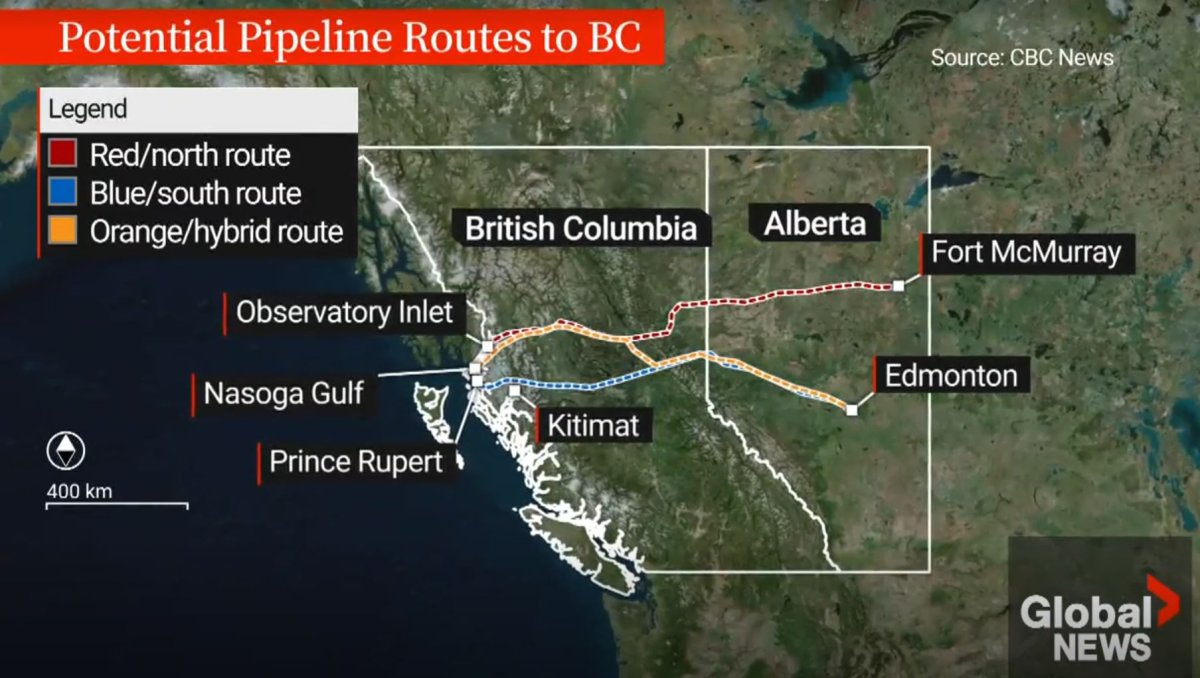
The Alberta government has been examining four potential corridors, three of which would cross northern British Columbia and one that would follow a southern path toward the Vancouver area. All three northern options would require changes to the existing federal tanker ban along the North Coast, a policy long supported by the British Columbia government and many First Nations communities.
Minister Highlights Communication Shortfalls
Adrian Dix emphasised that the British Columbia government only became aware of the four route options in recent days. He noted that learning of multiple corridors just weeks before any formal unveiling leaves limited room for proper intergovernmental dialogue. Dix rejected claims that British Columbia had been caught off guard, stressing instead that the absence of early engagement creates unnecessary friction between the two provinces.
The minister pointed out that any pipeline proposal must still clear several major hurdles. Without a confirmed private-sector proponent, the project remains conceptual. The federal tanker ban along the North Coast continues to stand, and opposition from First Nations adds further complexity to any route selection process.
Overview of the Four Proposed Corridors
Documents obtained by CBC News last week outlined the four corridors under consideration by Alberta officials. The three northern routes would traverse remote areas of British Columbia before reaching tidewater, while the southern option would direct the pipeline toward the greater Vancouver region. Each northern corridor would necessitate lifting the federal tanker ban, a step the British Columbia government has consistently opposed.
Alberta has produced a promotional video to build public support for expanded market access for its oil resources. The video frames the project as essential for economic growth across Western Canada, yet it does not address the specific regulatory and jurisdictional barriers that remain unresolved.
Federal Tanker Ban Remains Central Obstacle
The federal tanker ban along British Columbia's North Coast was introduced to protect sensitive marine ecosystems and coastal communities. Any attempt to lift or amend the ban would require action by the Government of Canada, likely involving extensive environmental assessments and consultations with affected First Nations. The British Columbia government has maintained its support for the ban, aligning with positions held by numerous coastal Indigenous communities.
Changing the ban would also trigger obligations under the United Nations Declaration on the Rights of Indigenous Peoples, which Canada has committed to implement. These legal and constitutional considerations add layers of review that cannot be bypassed through provincial announcements alone.
Absence of Private-Sector Backing Limits Momentum
Dix repeatedly noted during his Calgary remarks that no private company has stepped forward to finance or construct the proposed pipeline. Major energy projects in Canada typically require significant capital commitments from industry before governments advance formal proposals to Ottawa. The lack of a proponent at this stage suggests the Alberta study remains in early planning rather than active development.
Previous pipeline projects, such as the Trans Mountain expansion, demonstrate the lengthy timelines and substantial costs involved in securing regulatory approvals, Indigenous consent, and market commitments. Without similar industry leadership, the current Alberta initiative faces an uncertain path forward.
Interprovincial Relations and Energy Policy Context
Energy infrastructure decisions in Canada frequently involve complex negotiations between federal, provincial, and Indigenous governments. Alberta and British Columbia have a long history of differing priorities on resource development and environmental protection. These tensions have surfaced repeatedly in debates over carbon pricing, emissions reduction targets, and access to tidewater markets.
The Global Energy Show in Calgary provided a national platform for these discussions. While Alberta promotes expanded export capacity, British Columbia continues to focus on its own clean energy initiatives and existing projects that already carry industry support. Dix indicated he attended the event primarily to advance British Columbia's established energy files rather than engage in speculative pipeline talks.
Next Steps and Federal Review Timeline
Alberta has stated its intention to present a final pipeline proposal to the federal government by July 1. Meeting that deadline would still leave the project subject to comprehensive federal review processes, including potential assessments by the Canada Energy Regulator and further consultations with British Columbia and First Nations. The short timeframe for internal Alberta route selection does not alter the longer regulatory horizon that would follow any formal submission.
Observers note that meaningful progress would require coordinated engagement across jurisdictions well before any July deadline. The current approach, as described by Dix, has left British Columbia outside early discussions, complicating efforts to identify mutually acceptable outcomes.
Tags: pipelines, Alberta, British Columbia, energy policy, tanker ban, federal-provincial relations, First Nations, oil exports
By Alex Thompson, Staff Writer
This article was produced with AI-assisted research and editorial support. Reporting is based on sources cited in the article.
What's Your Reaction?
 Like
0
Like
0
 Dislike
0
Dislike
0
 Love
0
Love
0
 Funny
0
Funny
0
 Wow
0
Wow
0
 Sad
0
Sad
0
 Angry
0
Angry
0
Canada Correspondent at Global1.News. Based in Toronto, covering Canadian politics, energy, trade, and US-Canada relations. Provides the Canadian perspective on North American and global affairs.















Comments (0)