
ICMR-NIN Study Links Vitamin Deficiencies to Dementia Risk in India
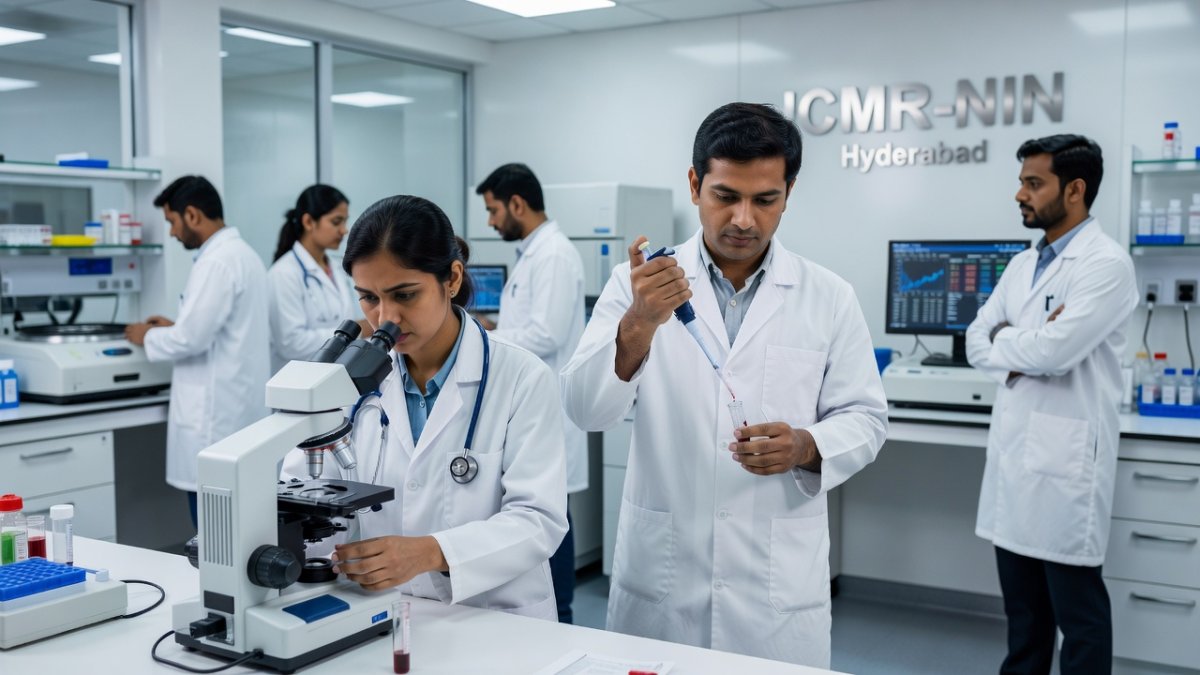
Study Design and Methodology The ICMR-NIN study examined 556 adults aged 40-80 from Telangana between 2023 and 2024 using an India-adapted CAIDE score to assess dementia risk. This cross-sectional analysis incorporated blood biomarker testing for multiple micronutrients alongside detailed dietary assessments and cognitive screening protocols. Researchers collected data across b
Study Design and Methodology
The ICMR-NIN study examined 556 adults aged 40-80 from Telangana between 2023 and 2024 using an India-adapted CAIDE score to assess dementia risk. This cross-sectional analysis incorporated blood biomarker testing for multiple micronutrients alongside detailed dietary assessments and cognitive screening protocols. Researchers collected data across both rural and urban clusters to capture representative patterns of nutritional status and lifestyle factors prevalent in Indian populations.
Collaboration with Stanford University and the Karolinska Institute strengthened the methodological rigor through advanced statistical modeling and validation of the adapted CAIDE tool for local dietary contexts. The study was led by Dr G Bhanuprakash Reddy, Scientist G at ICMR-NIN, and published in The Lancet Regional Health-Southeast Asia. Participants underwent fasting blood draws to measure levels of vitamins B1, B2, B6, B12, D, and folate, with deficiency thresholds aligned to Indian reference ranges.
Additional variables included physical activity metrics, education levels, and body mass index to adjust for confounding influences on dementia risk scores. The India-adapted CAIDE score integrated these elements with vascular risk factors specific to South Asian cohorts, providing a more accurate prediction model than standard international versions. This approach allowed precise identification of modifiable nutritional contributors to cognitive decline.
Vitamin Deficiency Profile Among Indian Adults
Vitamin B2 deficiency affected 64% of participants, emerging as the most widespread shortfall. Vitamin D deficiency stood at 42%, while vitamin B6 deficiency reached 34%. Active B12 deficiency was recorded in 17% of adults, folate deficiency in 8%, and vitamin B1 deficiency in just 3%. These figures highlight a clear gradient of micronutrient gaps that correlate strongly with elevated dementia risk profiles.
Deficiencies in vitamins D, B2, B6, and B9 appeared significantly more common among individuals classified in the high-risk dementia group. The study documented how these shortfalls compound over time, accelerating neuronal damage through impaired energy metabolism and increased oxidative stress. Lower dietary diversity scores directly predicted higher overall risk, underscoring the role of monotonous cereal-based diets common across many Indian regions.
High B2 deficiency rates stem partly from limited dairy consumption patterns and widespread lactose intolerance among Indian adults. Ragi and millets offer accessible plant-based sources to address this gap. Vitamin D shortfalls persist despite abundant sunshine due to indoor lifestyles, darker skin pigmentation reducing synthesis, and urban pollution blocking UVB rays. Eggs provide a practical dual source for both vitamin D and B12, while green leafy vegetables effectively boost folate intake.
Rural-Urban and Gender Disparities
Overall, 39% of the 556 adults fell into the high dementia risk category based on the India-adapted CAIDE score. Rural participants showed markedly higher vulnerability at 60%, compared with 27% in urban settings. Women consistently demonstrated greater risk than men across both locations, reflecting differences in dietary access, healthcare utilization, and cumulative nutritional deficits accumulated over decades.
Rural diets often rely on single-staple cereals with minimal variety, exacerbating deficiencies in B2, D, and B6. Urban residents benefit from greater market access to diverse foods yet still face rising indoor work patterns that limit vitamin D production. Gender disparities arise from cultural norms where women may receive smaller portions of nutrient-rich items and face higher rates of undiagnosed deficiencies during reproductive years.
These patterns mirror broader national trends where rural elderly populations encounter barriers to regular health screenings. The study emphasizes that targeted interventions must address these inequities to prevent a disproportionate dementia surge in underserved areas. Women’s elevated risk calls for gender-sensitive nutrition programs integrated with existing maternal and geriatric health services.
Dietary Diversity as a Cognitive Shield
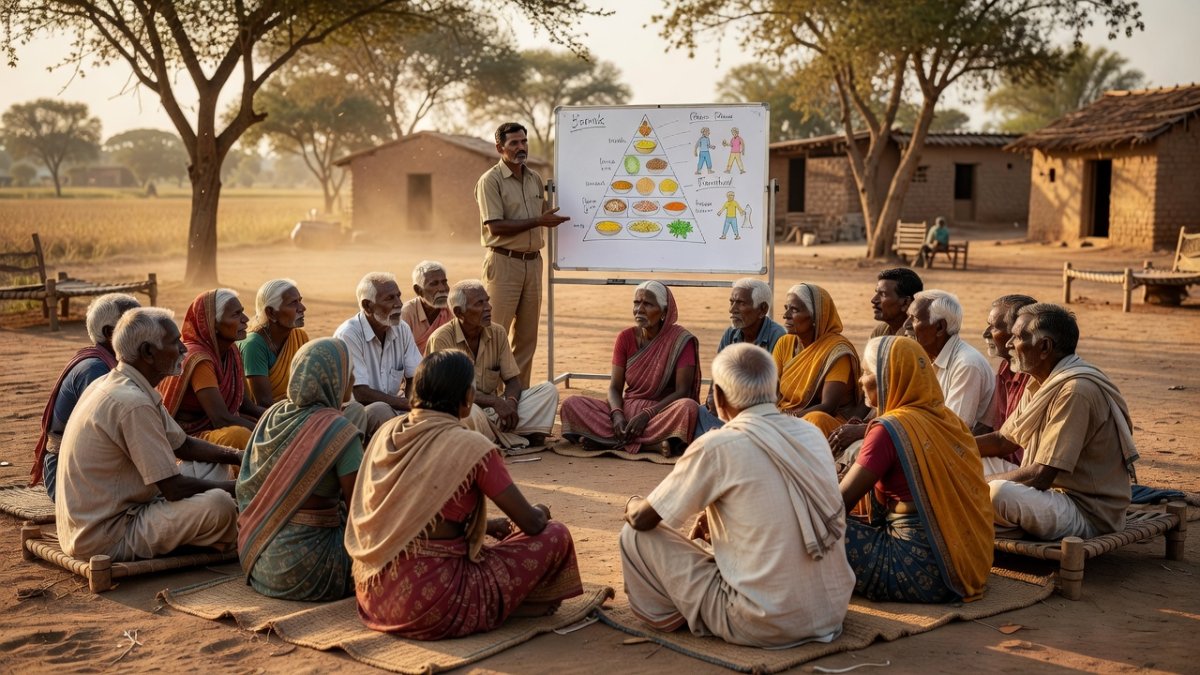
Lower dietary diversity emerged as a robust predictor of higher dementia risk in the Telangana cohort. Participants consuming fewer than four food groups daily showed significantly elevated CAIDE scores compared with those maintaining broader intake patterns. This finding aligns with evidence that varied diets supply synergistic micronutrients essential for brain health and vascular integrity.
Incorporating ragi or millets regularly can combat B2 deficiency, while eggs address both D and B12 shortfalls. Green leafy vegetables remain the most cost-effective route to adequate folate levels. The study recommends seasonal rotation of fruits, pulses, and dairy alternatives to achieve minimum dietary diversity scores above six food groups per day.
Public awareness campaigns should promote traditional recipes that combine these elements, such as millet-based porridges paired with greens and occasional egg dishes. Such shifts not only lower individual dementia risk but also support sustainable agriculture by reviving underutilized crops like ragi. Households adopting these practices report improved energy levels and cognitive sharpness within months.
India's Dementia Burden in Numbers
India currently bears the weight of 5.3 million dementia patients, a figure projected to rise sharply as the elderly population reaches 319 million by 2050. This trajectory contrasts with global benchmarks where dementia prevalence stands at approximately 10% in the United States and 8-12% across European nations. India’s lower current rates mask an impending surge driven by longer lifespans and persistent nutritional vulnerabilities.
Economic costs average ₹1.5 lakh per patient annually, encompassing medical care, caregiver time, and lost productivity. These expenses strain family resources and public health systems alike. The ICMR-NIN data indicate that addressing modifiable factors like vitamin deficiencies could avert a substantial portion of future cases, yielding significant savings.
Comparison with international figures reveals India’s unique nutritional profile as both a challenge and an opportunity. While Western populations contend more with vascular and genetic risks, Indian adults face preventable micronutrient gaps that simple dietary interventions can mitigate. Proactive action now will determine whether the 2050 elderly cohort experiences healthy aging or widespread cognitive impairment.
Policy Pathways: From Data to Action
The National Programme for Health Care of the Elderly (NPHCE) must integrate routine micronutrient screening into its geriatric clinics, building on Ayushman Bharat Health and Wellness Centres that already reach primary care levels. Government nutrition missions should revise targets to explicitly include vitamin B2 and D fortification in staple foods, drawing lessons from successful iodized salt programs.
Kerala’s dementia care model, featuring community-based memory clinics and caregiver training, offers a replicable framework for other states. Scaling similar initiatives nationally could reduce institutionalization rates and associated costs. The study’s findings support inclusion of dietary diversity metrics in Ayushman Bharat wellness assessments to identify at-risk individuals early.
Reference to the India Today Health Wealth podcast episode “How do we embrace active ageing?” (UTQHQFGdGUY) highlights practical steps for policymakers, including subsidies for diverse produce and school-based nutrition education that extends to adult populations. Collaboration between ICMR-NIN, state health departments, and international partners like Stanford and Karolinska can accelerate evidence-based guideline development. Investment in these pathways promises both health and economic returns by preserving cognitive function across the aging population.
What This Means for Indian Households
Families can begin by assessing weekly meal variety and introducing ragi rotis, leafy vegetable stir-fries, and eggs where culturally acceptable. Regular sunlight exposure during morning hours, combined with vitamin D-rich foods, helps counter indoor lifestyle effects and pollution-related synthesis barriers. Women, who face elevated risk, benefit particularly from prioritized access to dairy alternatives or fortified items despite lactose intolerance patterns.
Household budgeting for diverse foods yields long-term savings by reducing future dementia care expenses estimated at ₹1.5 lakh per patient yearly. Community kitchens and self-help groups can pool resources to source affordable millets and greens. Monitoring for symptoms such as memory lapses alongside routine health check-ups enables timely intervention through NPHCE-linked services.
These changes align with broader active ageing principles discussed in public health forums, fostering not only individual resilience but also intergenerational knowledge transfer about traditional nutrient-dense recipes. Early adoption at the household level amplifies national policy efforts and directly addresses the deficiencies documented in the Telangana cohort.
The Bottom Line
The ICMR-NIN study delivers urgent evidence that vitamin deficiencies drive a substantial share of dementia risk among Indian adults aged 40-80. With 39% already classified high-risk and stark rural-urban and gender gaps, immediate dietary and policy responses are essential. India’s projected 319 million elderly by 2050 cannot afford inaction when simple, affordable interventions exist.
By tackling B2, D, B6, and folate shortfalls through diverse local foods and strengthened programs like NPHCE and Ayushman Bharat, the nation can alter its dementia trajectory. Households and policymakers share responsibility to translate these data points into sustained action that protects cognitive health for generations ahead.
 — By Dr. Raj Patel, Staff Writer
This article was produced with AI-assisted research and editorial support. Reporting is based on sources cited in the article.
What's Your Reaction?
 Like
0
Like
0
 Dislike
0
Dislike
0
 Love
0
Love
0
 Funny
0
Funny
0
 Wow
0
Wow
0
 Sad
0
Sad
0
 Angry
0
Angry
0

India/South Asia Correspondent at Global1.News. Analytical voice with a background in science and health journalism. Based in New Delhi, covering Indian politics, education, healthcare, technology, and policy. Breaks down complex data into clear, actionable reporting.















Comments (0)