
Baguio Mayor Magalong Tells Fugitive Dela Rosa: 'Take Ownership, Harapin Mo' the ICC Charges
In a candid ANC 24/7 interview aired this week, Baguio City Mayor Benjamin Magalong issued a direct challenge to fugitive Senator Ronald "Bato" Dela Rosa, urging him to "take ownership of what you did" and "harapin mo" the International Criminal Court charges. The exchange has intensified national debate over accountability in the drug war era, with ordinary Filipinos watching
In a candid ANC 24/7 interview aired this week, Baguio City Mayor Benjamin Magalong issued a direct challenge to fugitive Senator Ronald "Bato" Dela Rosa, urging him to "take ownership of what you did" and "harapin mo" the International Criminal Court charges. The exchange has intensified national debate over accountability in the drug war era, with ordinary Filipinos watching closely as the PNP continues its manhunt and Senate proceedings remain stalled.
Baguio Mayor Magalong Calls on Dela Rosa to Face ICC Charges in ANC Interview
Manila, Philippines — Baguio City Mayor Benjamin Magalong used a nationally televised ANC 24/7 interview this week to tell Senator Ronald "Bato" Dela Rosa to stop evading responsibility for actions taken during the 2016-2022 drug war. Magalong stated plainly that Dela Rosa must "take ownership of what you did" and "harapin mo" the ICC arrest warrant unsealed in May 2026. The remarks come as the Philippine National Police confirmed active tracking operations as of June 1, 2026, and as Dela Rosa has missed every Senate session since November 2025.
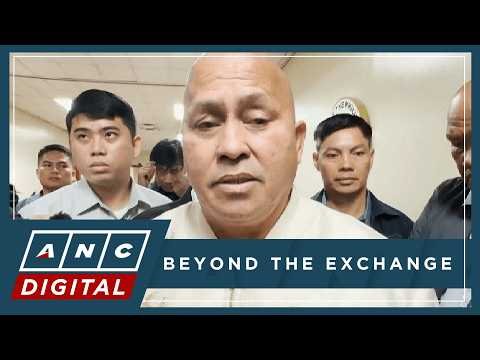
Magalong's Direct Challenge to Dela Rosa
Magalong told ANC 24/7 viewers that Dela Rosa, who served as Philippine National Police chief under former President Rodrigo Duterte, must stop hiding behind legal maneuvers. The mayor said the senator should appear before the ICC to answer allegations tied to more than 6,000 deaths documented by the Commission on Human Rights between 2016 and 2022. Magalong emphasized that true leadership requires facing consequences rather than remaining absent from the Senate floor for over seven months.
The Baguio mayor repeated the phrase "harapin mo" three times during the interview, underscoring that evasion only deepens public distrust. He noted that Dela Rosa's continued absence from Senate hearings on drug war accountability has left 18 pending committee reports without a sponsor. Magalong added that the senator's refusal to return to Manila since the warrant was unsealed has forced local governments to handle community healing without national guidance.
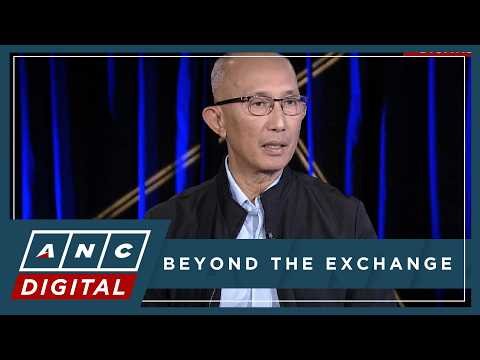
ICC Warrant and Senate Absence
The ICC arrest warrant against Dela Rosa was unsealed in May 2026, listing 23 specific operations in Metro Manila and Cebu where extrajudicial killings were alleged. Since November 2025, Dela Rosa has not cast a single vote in the Senate, missing 47 session days and four budget deliberations. The Philippine National Police stated on June 1, 2026, that teams are monitoring 14 known properties linked to the senator across Bicol, Davao, and Metro Manila.
Mayors for Good Governance, a coalition of 87 city and municipal leaders, issued a statement last week condemning the prolonged absenteeism. The group pointed out that Dela Rosa's empty Senate seat has delayed confirmation of 12 police generals whose appointments affect 178,000 officers nationwide. Community leaders in Davao City, where Dela Rosa once served as mayor, reported that local anti-drug programs lost 340 million pesos in coordination funding because national directives stopped arriving.
Two-Tiered Justice System
Magalong told ANC 24/7 that "justice is slow for the powerful, swift for the poor," citing the case of a 29-year-old tricycle driver from Quezon City detained for 14 months on minor drug possession charges while high-profile figures remain at large. The mayor contrasted this with the 19 drug war cases filed by the Commission on Human Rights that have seen no movement in the past 18 months despite complete evidence folders.
In Baguio's Irisan barangay, families of three victims killed in 2017 operations still wait for autopsy reports that were promised within 60 days. One widow, 34-year-old Maria Santos, has attended 22 court hearings without a single witness from the police appearing. Magalong said such delays erode trust in institutions and push communities to seek justice outside formal channels.
Corruption and Public Frustration
Magalong stated that Filipinos across the country feel frustrated by repeated instances of corruption in government agencies handling drug war funds. He referenced the Commission on Audit's 2025 report showing 2.3 billion pesos in unliquidated cash advances from the Philippine Drug Enforcement Agency between 2018 and 2021. The mayor said this pattern of missing money directly affects barangay-level rehabilitation centers that were promised 15,000 beds but delivered only 4,200.
Mayors for Good Governance echoed the frustration, noting that 62 member cities have seen their requests for body-worn cameras for police denied since 2024. In Cebu City, residents of Barangay Mambaling organized a petition with 8,400 signatures asking for independent monitoring of anti-drug operations after two unsolved killings occurred in April 2026. Magalong said these local actions reflect a broader demand for transparency that national leaders have ignored.
A Message of Hope for 2028
Despite the criticism, Magalong urged Filipinos not to lose hope and to focus on selecting leaders for the 2028 elections who demonstrate integrity and competence. He listed three qualities he believes voters should demand: a track record of transparent budgeting, willingness to face international courts when required, and consistent presence in legislative sessions. The mayor pointed to Baguio's own 2025 city budget, which published every line item online and reduced unprogrammed funds by 40 percent.
Magalong also addressed questions about Vice President Sara Duterte's potential candidacy, saying voters must examine each aspirant's record on human rights cases rather than rely on family names. He encouraged barangay assemblies scheduled for the coming months to discuss these standards so that 2028 choices reflect lessons from the drug war period. Community organizers in Iloilo and Cagayan de Oro have already scheduled 14 such forums using materials from the Baguio good governance movement.
Human Toll on Filipino Families
The human impact remains visible in households across Metro Manila and Mindanao. In Caloocan City, the family of 17-year-old Reynaldo de Guzman, killed during a 2017 operation, has waited nine years for the case to reach trial. His mother, now 58, sells vegetables at a public market to pay transportation costs for monthly court visits that are routinely postponed. Similar stories exist in 312 documented Commission on Human Rights files still awaiting resolution.
Barangay captains in Davao del Sur report that 47 children who lost parents in drug war operations now rely on local scholarship programs after national support ended in 2024. These children attend public schools where guidance counselors handle caseloads of 1,200 students each, limiting individual counseling. Magalong said the absence of national accountability prolongs trauma that communities must manage with limited resources.
What to Watch For
Observers are monitoring three developments in the coming weeks: the PNP's next public update on the manhunt, any call for a special Senate session to address the vacant seat, and ICC filings expected before the end of July 2026. Local government units are also preparing for the 2028 election cycle by training 2,400 poll watchers through the Mayors for Good Governance network.
The ANC 24/7 interview has already prompted 11 city councils to pass resolutions supporting Magalong's call for transparency. These resolutions request quarterly reports on drug war case status from the Department of Justice. As communities continue to seek closure, the mayor's message that Filipinos must choose leaders who will "harapin" difficult truths resonates in households still waiting for answers nine years after the operations began.
By Bella Reyes, Staff Writer
This article was produced with AI-assisted research and editorial support. Reporting is based on sources cited in the article.
What's Your Reaction?
 Like
0
Like
0
 Dislike
0
Dislike
0
 Love
0
Love
0
 Funny
0
Funny
0
 Wow
0
Wow
0
 Sad
0
Sad
0
 Angry
0
Angry
0

Philippines/Southeast Asia Correspondent at Global1.News. Manila-based journalist covering Philippine politics, environment, maritime security, and social issues. Passionate about marine conservation and the communities protecting the Philippines' natural heritage.













Comments (0)