
African Fans Troll South Africa After World Cup Loss
The Opening Clash and Immediate Aftermath The 2026 World Cup began with South Africa facing Mexico in the tournament's opening match, co-hosted by the United States, Canada and Mexico. Bafana Bafana fell 2-0, a result that on the surface looked like a standard football defeat. Yet the loss quickly became something larger across the continent. Social media platforms filled with
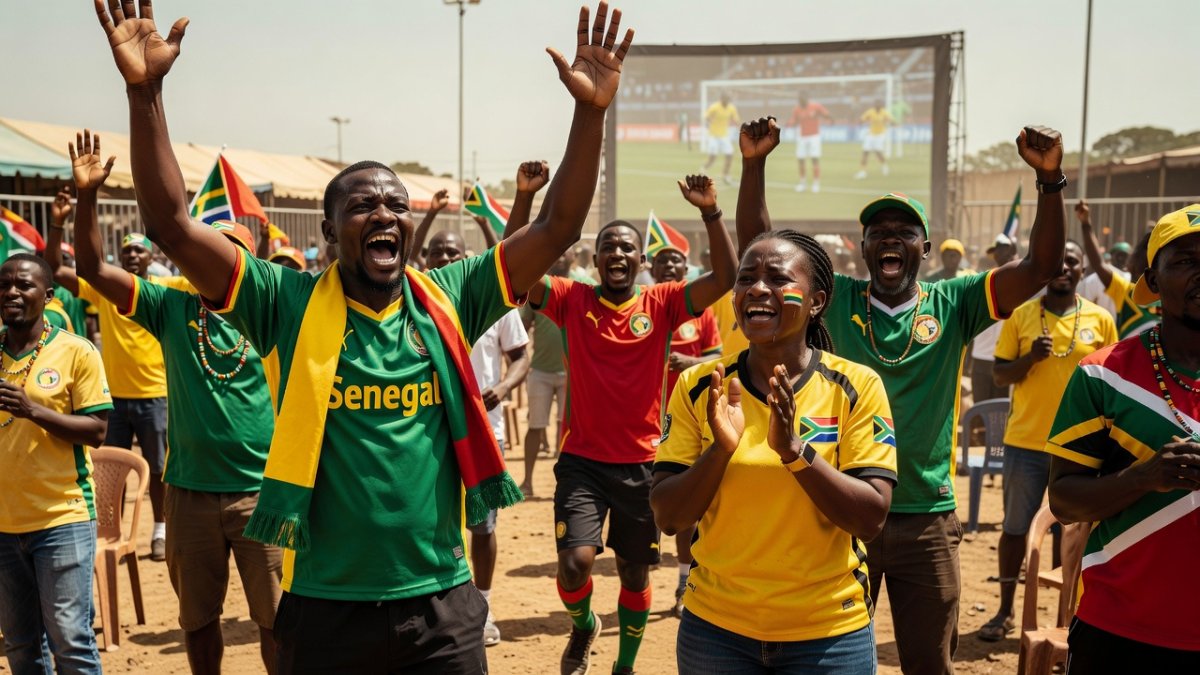
The Opening Clash and Immediate Aftermath
The 2026 World Cup began with South Africa facing Mexico in the tournament's opening match, co-hosted by the United States, Canada and Mexico. Bafana Bafana fell 2-0, a result that on the surface looked like a standard football defeat. Yet the loss quickly became something larger across the continent. Social media platforms filled with posts from fans in multiple African countries who openly supported Mexico, turning the game into a moment that exposed fractures beneath the usual displays of African solidarity during major tournaments.
Social Media Trolling and the Link to Xenophobic Tensions
Memes featuring sombreros, mariachi bands and tacos spread rapidly, often captioned with phrases such as "Mexico versus xenophobia." These posts were presented as light-hearted banter, but many carried a sharper edge tied directly to recent reports of violence and intimidation directed at migrants from other African nations living in South Africa. Users questioned why fellow Africans should cheer for South Africa when stories of attacks on foreign nationals continued to circulate. One post asked why people should support South Africa in soccer when migrants faced mistreatment, while another suggested that an early exit would allow South Africa to focus on sending foreigners home to address unemployment. Kenyan lawyer Ahmednasir Abdullahi posted that he hoped South Africa would not blame African migrants for the two red cards and the 2-0 scoreline.
The trolling reflected anger over anti-migrant actions that had escalated in the weeks before the match. Groups had set a 30 June deadline for undocumented foreign nationals to leave, prompting evacuations by Nigeria, Ghana, Zimbabwe and Malawi. President Cyril Ramaphosa stated that only authorised officials could enforce immigration law and that citizens' concerns deserved attention, yet he warned against individuals taking matters into their own hands. For many observers outside South Africa, the football match offered an outlet to express frustration with these developments.
Voices from Across the Continent Weigh In
At a fan park in Atlanta, Congolese supporter Daniel Kaniki explained his choice to back Mexico. He described Africa as one country and said that when one part chases others away, the sense of family disappears. Ghanaian Vanlare Quist, also present at the same venue, chose to support Bafana Bafana. He described himself as a proud African and attributed the anti-immigrant sentiment to a small number of individuals rather than the broader population. In Juba, South Sudanese fans at public viewing centres expressed strong backing for South Africa. Student George Kenyi Charles Rehan noted the historical connection between South Sudan's independence struggle and South Africa's fight against white-minority rule. He said it was unfortunate to see other African countries supporting Mexico and wearing Mexican jerseys, adding that South Africa represented the continent and deserved support from all African nations.
These differing positions illustrated how the same event could be read through distinct national experiences. South Sudanese viewers drew on shared histories of resistance, while fans from countries with large migrant communities in South Africa focused on current safety concerns. The result was a public conversation that moved beyond the pitch and into questions of belonging and reciprocity.
South African Responses and National Pride
Inside South Africa, reactions on social media pushed back against the external criticism. Some users stated that the team had qualified without continental support and would remain South African regardless of results. Others insisted that illegal immigrants would still be required to leave, irrespective of online sentiment. The government issued a statement commending the team's spirited performance, unity and determination on the global stage, even though the scoreline fell short of national hopes. Bafana Bafana's players were praised for representing the country with pride despite the outcome.
Many South Africans emphasised that football loyalty did not erase domestic challenges. With unemployment above 30 percent, debates over migration and economic pressure remained intense. The match simply brought those tensions into sharper focus for an international audience.
Football Culture and the Spirit of the World Cup
African football has long carried expectations of unity during global tournaments. Supporters from Senegal to Nigeria to Cameroon often rally behind any African side that advances, creating a temporary sense of shared celebration. The 2026 edition, with ten African teams participating in the expanded format, was expected to continue that pattern. Instead, the opening match revealed how quickly that unity can fracture when underlying grievances surface. The World Cup's promise of bringing people together through sport met the reality of strained relations between African states and communities.
From a Senegalese perspective, where Teranga spirit emphasises hospitality and collective pride in the national team, these divisions feel particularly sharp. Senegal has sent players and fans to major tournaments with the hope of continental progress, yet the events surrounding South Africa's match remind us that football cannot automatically resolve economic pressures or historical migrations that followed the end of apartheid in 1994. Many people from across the continent moved to South Africa seeking opportunity, only to encounter rising hostility amid persistent joblessness.
What This Moment Reveals About Pan-African Identity
The trolling and counter-responses together paint a picture of an Africa that remains connected through culture and sport yet divided by immediate national concerns. Pan-African identity in 2026 appears more conditional than in previous decades, shaped by daily realities of migration, employment and security rather than abstract ideals alone. The match did not create these tensions; it simply made them visible on a larger stage.
Daniel Kaniki's call for family-like treatment, Vanlare Quist's distinction between a few individuals and the wider population, George Kenyi Charles Rehan's emphasis on historical solidarity, and Ahmednasir Abdullahi's pointed commentary all reflect legitimate perspectives rooted in different lived experiences. South Africa's government has acknowledged both the need to address citizens' worries and the requirement to uphold lawful processes. As the tournament continues with other African teams still competing, the conversation sparked by this opening fixture will likely influence how supporters across the continent engage with one another in the weeks ahead.
Football remains a powerful mirror for African societies. It highlights both the vibrancy of shared passion and the honest challenges that must be confronted if deeper unity is to move beyond match-day rhetoric.
By Amara Diop, Staff WriterThis article was produced with AI-assisted research and editorial support. Reporting is based on sources cited in the article.
What's Your Reaction?
 Like
0
Like
0
 Dislike
0
Dislike
0
 Love
0
Love
0
 Funny
0
Funny
0
 Wow
0
Wow
0
 Sad
0
Sad
0
 Angry
0
Angry
0

West Africa/Sahel Correspondent at Global1.News. Dakar-based journalist covering politics, security, climate, and development across Francophone and Anglophone West Africa. Tells the stories of a region undergoing profound transformation.










Comments (0)