
When African Fans Chose Mexico Over South Africa: Football, Xenophobia, and the Fracturing of Pan-African Unity
The Match That Exposed Continental Fault Lines The 2026 World Cup opened with South Africa facing Mexico on 11 June, a fixture that should have drawn the usual chorus of African support. Instead, social media revealed a striking absence of that solidarity. Fans from multiple countries chose to back the co-hosts, turning what is often a moment of shared pride into a pointed expr
The Match That Exposed Continental Fault Lines
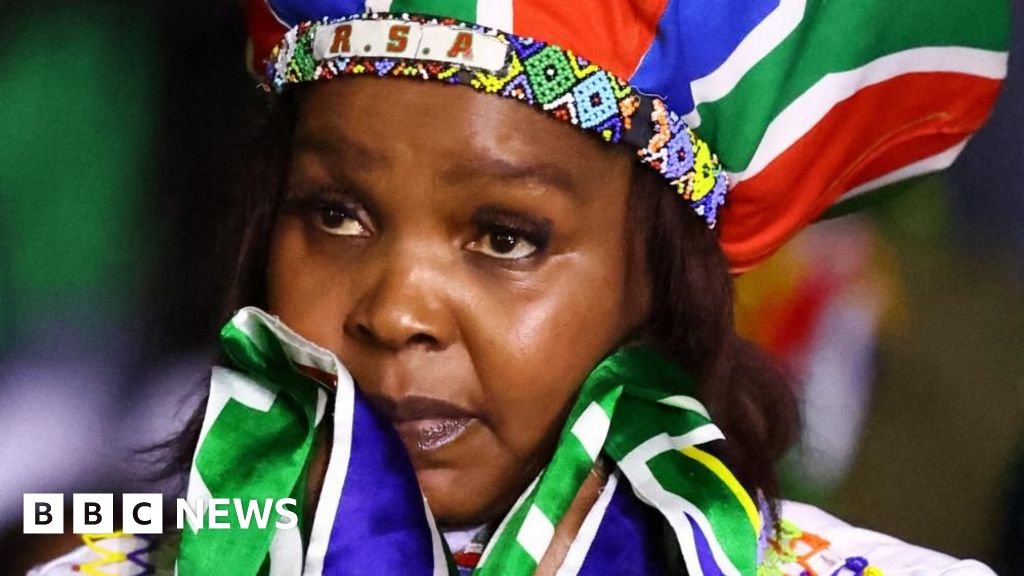
The 2026 World Cup opened with South Africa facing Mexico on 11 June, a fixture that should have drawn the usual chorus of African support. Instead, social media revealed a striking absence of that solidarity. Fans from multiple countries chose to back the co-hosts, turning what is often a moment of shared pride into a pointed expression of frustration. The 2-0 defeat and two red cards for South Africa only intensified the online commentary, yet the roots of the division lay far from the pitch itself.
Memes Masking Deeper Resentments
Light-hearted images of sombreros and tacos circulated widely, but they carried an unmistakable edge. Supporters framed their choice as a response to reports of xenophobic violence inside South Africa. One X user asked directly, "You want people to cheer for you when you play soccer just because we're African?" Another posted that backing Mexico would send South Africa home early "to protect their jobs," echoing accusations that foreigners were to blame for unemployment. These remarks, though often delivered in jest, pointed to long-standing grievances over how migrants from elsewhere on the continent have been treated in recent weeks.
Voices from the Fan Parks and Beyond
At a fan park in Atlanta, Congolese supporter Daniel Kaniki explained his decision plainly: "Africa is like one country and if one is chasing others, we are not a family any more. That's why I'm supporting Mexico today." In contrast, Ghanaian Vanlare Quist stood with South Africa, describing himself as "a proud African" and attributing anti-immigrant feeling to a minority of individuals. In Juba, 23-year-old student George Kenyi Charles Rehan told the BBC that South Sudanese viewers at public centres were firmly behind Bafana Bafana, insisting that all African nations should rally around the team representing the continent. Kenyan lawyer Ahmednasir Abdullahi added a pointed question on social media about whether South Africa would blame migrants for the result. These differing positions illustrated how the same event could be read as either a betrayal of unity or a necessary stand against mistreatment.
South Africa's Stance Amidst the Backlash
Inside South Africa the reaction was swift and defensive. Supporters on social media declared that the team had qualified without outside help and would remain South African regardless of the scoreline. One post stated that illegal immigrants would still be required to leave "whether you hate us or not," while another urged critics to "come to South Africa legally." The government issued a statement praising the team's "spirited performance" and its display of "unity, determination, and a sense of pride." President Cyril Ramaphosa acknowledged citizens' concerns about migration while warning against vigilante action, noting that only authorised officials could enforce the law. These responses revealed a nation caught between external criticism and internal pressures over jobs and security.
Migration, Xenophobia, and the Weight of History
Many people from across Africa arrived in South Africa after 1994 seeking better opportunities. With unemployment above 30 percent, tensions have grown, leading to protest marches and attacks on foreign nationals. Anti-migrant groups set a 30 June deadline for those living illegally to depart. Nigeria, Ghana, Zimbabwe and Malawi have already begun repatriating citizens, treating the threats seriously. Ramaphosa has said South Africans' worries "deserve to be heard, and they deserve to be addressed," yet he has also condemned people taking the law into their own hands. The situation underscores how economic strain can fracture the sense of shared African identity that football tournaments usually celebrate.
Pan-African Dreams in the Shadow of Division
From a West African vantage point, the episode feels especially sharp. Senegal and its neighbours have long championed ideals of continental solidarity, rooted in shared histories of independence and cultural exchange. When supporters from Ghana, the Democratic Republic of Congo and elsewhere publicly chose Mexico, it highlighted how quickly those ideals can fray under real-world pressures. The contrast between George Kenyi Charles Rehan's call for all Africans to back South Africa and Daniel Kaniki's refusal to support a country "chasing others" captures the tension between aspiration and lived experience. Football, meant to bridge such gaps, instead became the stage on which they were performed.
Football as a Mirror for 2026 Realities
With ten African teams at this expanded tournament, the opening match served as an early test of whether shared identity could outweigh immediate grievances. The memes and counter-posts showed that many fans viewed the result through the lens of migration policy rather than sporting allegiance. South Africa's government emphasised pride and unity, while critics abroad linked their stance to the safety of their compatriots. As the World Cup continues, these exchanges suggest that African unity in 2026 will require more than flags and anthems; it will depend on whether the continent can address the economic and social strains that turn neighbours into rivals. The absence of automatic solidarity on 11 June was not merely about one match, but about the harder work of making "one Africa" feel true for everyone who claims it.
By Amara Diop, Staff WriterThis article was produced with AI-assisted research and editorial support. Reporting is based on sources cited in the article.
What's Your Reaction?
 Like
0
Like
0
 Dislike
0
Dislike
0
 Love
0
Love
0
 Funny
0
Funny
0
 Wow
0
Wow
0
 Sad
0
Sad
0
 Angry
0
Angry
0

West Africa/Sahel Correspondent at Global1.News. Dakar-based journalist covering politics, security, climate, and development across Francophone and Anglophone West Africa. Tells the stories of a region undergoing profound transformation.










Comments (0)