
Princess Bajrakitiyabha Body Moved to Grand Palace Saturday
Thailand prepares to transport the body of HRH Princess Bajrakitiyabha Narendiradebyavati from King Chulalongkorn Memorial Hospital to the Grand Palace this Saturday, June 13, as the nation mourns the loss of the beloved lawyer princess who dedicated her life to justice and public service. Thailand Prepares Solemn Procession for Princess Bajrakitiyabha to Grand Palace Bangkok,
Thailand prepares to transport the body of HRH Princess Bajrakitiyabha Narendiradebyavati from King Chulalongkorn Memorial Hospital to the Grand Palace this Saturday, June 13, as the nation mourns the loss of the beloved lawyer princess who dedicated her life to justice and public service.
Thailand Prepares Solemn Procession for Princess Bajrakitiyabha to Grand Palace
Bangkok, Thailand — The Royal Household Bureau confirmed on Friday morning June 12 that the body of HRH Princess Bajrakitiyabha Narendiradebyavati will leave King Chulalongkorn Memorial Hospital on Henry Dunant Road at 3:30pm this Saturday. The procession will travel along eight roads through central Bangkok before arriving at the Phiman Rattaya Throne Hall via the Wiset Chaisri Gate of the Grand Palace. Metropolitan Police Bureau officers have advised drivers to avoid the route during the afternoon hours to allow the solemn movement to proceed without interruption. Communities across the capital have already begun preparing white mourning cloth and lotus offerings at local temples in anticipation of the event.
The Final Journey from the Hospital
The body of HRH Princess Bajrakitiyabha will depart King Chulalongkorn Memorial Hospital on Henry Dunant Road at precisely 3:30pm on Saturday June 13. The route will pass through eight central Bangkok roads under the coordination of the Metropolitan Police Bureau before reaching the Grand Palace. Officers have placed clear advisories for motorists to seek alternative paths during the afternoon to respect the procession. Local residents along the designated path have begun gathering in small groups to pay quiet respects as the motorcade passes.
Police units from the Metropolitan Police Bureau will line the streets to maintain order and ensure smooth passage through busy intersections. The final destination inside the Grand Palace is the Phiman Rattaya Throne Hall, entered through the Wiset Chaisri Gate. This route holds deep historical meaning for Thai royal ceremonies that have taken place in the same area for generations. Families in nearby districts such as Pathum Wan have already set up small shrines with photographs of the princess to mark the occasion.
Traffic management teams began preparations on Friday afternoon to minimize disruption for Bangkok residents. The Royal Household Bureau emphasized that the movement follows traditional protocols observed during previous royal processions in the capital. Volunteers from local communities have offered to assist with crowd control near the Grand Palace gates. The entire operation reflects the careful planning that characterizes Thai royal events in the heart of the city.
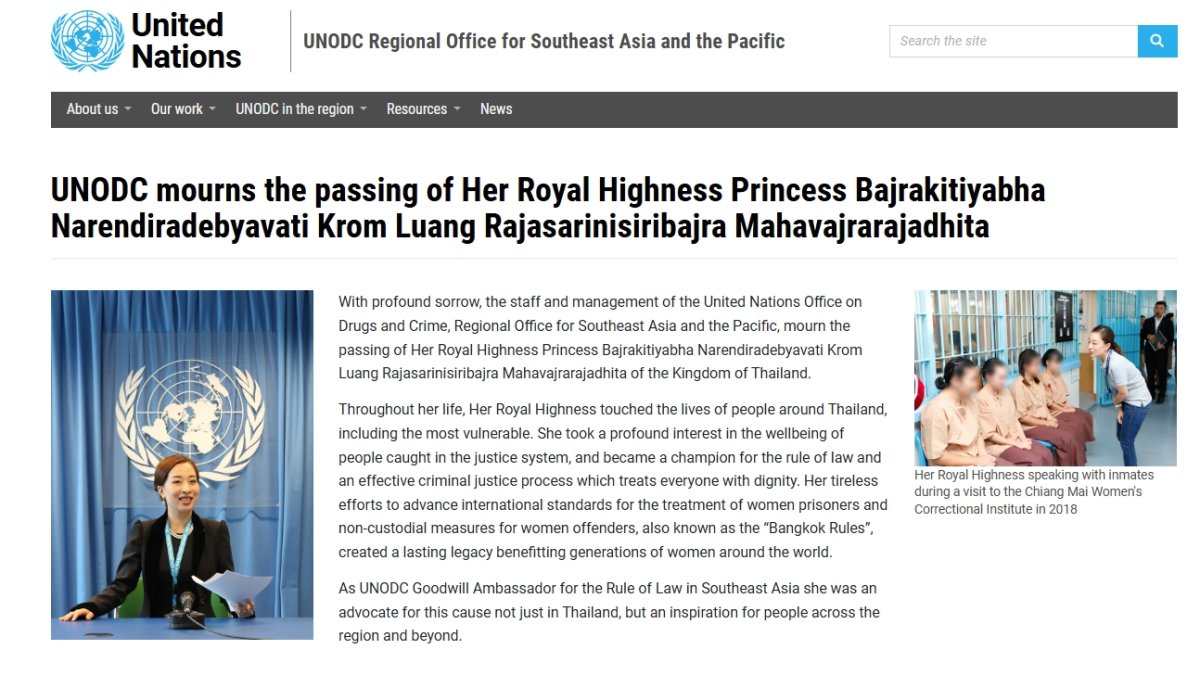
A Life of Service: The Lawyer Princess
HRH Princess Bajrakitiyabha Narendiradebyavati was born on 7 December 1978 as the eldest child of King Maha Vajiralongkorn and his first wife Princess Soamsawali. She earned two post-graduate law degrees from Cornell University in the United States and became known affectionately across Thailand as the lawyer princess for her expertise in judicial reform. She worked at the Thai mission to the United Nations in New York and later served in the Attorney-General's offices both in Bangkok and in several provinces. Her career path demonstrated a consistent commitment to legal service that touched many parts of Thai society.
In 2012 she was appointed Thailand's ambassador to Austria, a role she held until 2014. She also served as UNODC Regional Goodwill Ambassador on Rule of Law for Southeast Asia and chaired the Special Advisory Board of the Thailand Institute of Justice. Through these positions she advocated penal reform for vulnerable women in prison, noting that Thailand maintains one of the world's highest female inmate populations. Her efforts focused on practical improvements in detention conditions and rehabilitation programs.
In 2021 she received the rank of general and was named chief of staff in the King's private bodyguard unit. Throughout her life she remained a dedicated fitness enthusiast who enjoyed long-distance running. These accomplishments created a lasting impression on Thai legal and diplomatic circles from Bangkok to the provinces. Her work continues to influence ongoing discussions about justice reform in the country.
Three Years in a Coma: The Medical Journey
HRH Princess Bajrakitiyabha collapsed in December 2022 while exercising her dogs. Doctors later determined that a mycoplasma infection had caused a severely irregular heartbeat. She remained in a coma for more than three years, nearly four years in total, at King Chulalongkorn Memorial Hospital. Her condition required constant medical attention from specialists in central Bangkok throughout that period.
On Thursday June 11 2026 at 19:48 she passed away at the same hospital. The cause was listed as an intra-abdominal infection and related complications. The Royal Household Bureau made the official announcement on Friday morning June 12. Medical teams had worked tirelessly to manage her health over the extended time she spent under care.
Staff at King Chulalongkorn Memorial Hospital on Henry Dunant Road maintained round-the-clock monitoring during her long stay. The princess's dedication to physical fitness earlier in life had been well known among those who followed her public activities. Her passing marks the end of a prolonged period of national concern that began with the initial collapse. Families across Thailand have expressed quiet gratitude for the care provided at the hospital.
Buddhist Traditions and National Mourning
Monks at temples across Bangkok and in the provinces have begun chanting ceremonies in memory of HRH Princess Bajrakitiyabha. White mourning cloth has appeared at Wat Phra Kaew and other historic sites near the Grand Palace. Residents in Chiang Mai and the Isaan region have placed lotus offerings at local wats to honor her contributions to Thai society. These quiet acts of remembrance follow long-standing Buddhist practices observed during periods of royal loss.
Flags at government buildings have been lowered to half-mast under instructions from the relevant authorities. Communities in Phuket and other coastal areas have shared stories of the princess's visits and her advocacy work during evening gatherings. The Election Commission of Thailand and other agencies have adjusted public events to reflect the solemn atmosphere. Such adjustments allow space for collective reflection across different regions of the country.
Local merit-making activities have increased at temples in the capital and beyond since the announcement on Friday morning. Families continue to light candles and offer prayers in line with Thai cultural traditions that emphasize compassion and remembrance. The Royal Thai Police have supported orderly gatherings near significant sites. These practices connect people from diverse backgrounds in a shared expression of respect.
Questions of Royal Succession
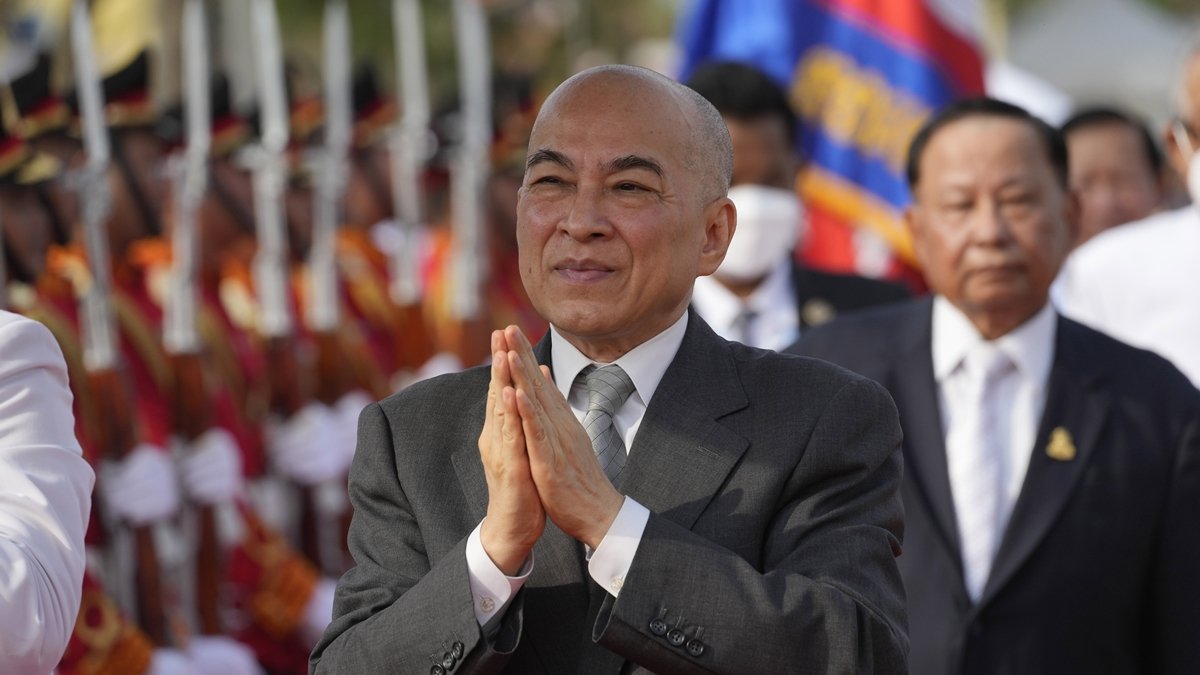
King Maha Vajiralongkorn, who is 73 years old, has not named an heir. Many observers had viewed HRH Princess Bajrakitiyabha as the most capable successor, whether as Queen or as Regent for Prince Dipangkorn. The King has five sons, four of whom were disowned in 1996 and now live in the United States, while the fifth is Prince Dipangkorn, who is widely presumed to be the heir. The lese majeste law continues to prevent public discussion of succession matters within Thailand.
Her death on June 11 2026 leaves these questions without immediate resolution. The Thai Ministry of Foreign Affairs has maintained standard diplomatic communications during this period. Discussions within private circles have remained limited due to legal boundaries that have long shaped public discourse on the topic. The princess's legal background had positioned her as a figure who understood both tradition and modern governance needs.
Prince Dipangkorn remains the focus of attention regarding future arrangements. The absence of open conversation reflects the careful approach Thai society maintains toward royal matters. Government agencies continue their routine operations while the nation processes the loss. This situation underscores the unique structure of the Thai monarchy in the present day.
Thailand's Place in ASEAN and the World
HRH Princess Bajrakitiyabha's diplomatic service as ambassador to Austria and her role with the UNODC strengthened Thailand's connections across Southeast Asia and beyond. Her work on rule of law issues supported regional cooperation on legal standards that affect cross-border matters. Colleagues at the Thailand Institute of Justice recall her focus on practical reforms that aligned with ASEAN goals for justice systems. These efforts helped position Thailand as an active participant in international legal dialogues.
Her advocacy for women in prison addressed challenges shared by several neighboring countries with high female incarceration rates. Tourism operators in Bangkok have noted a temporary pause in promotional activities out of respect during the mourning period. The princess's time at the Thai mission to the United Nations in New York built networks that continue to benefit Thai foreign policy. Regional partners in the ASEAN community have sent messages of condolence to the Royal Household Bureau.
Her legacy in penal reform offers a foundation for continued work by the institutions she supported. Thai communities in the provinces have expressed pride in her international contributions while remembering her local engagements. The combination of her legal expertise and diplomatic experience created lasting value for Thailand's global standing. These elements remain part of the national story even as the country moves through the current period of loss.
What to Watch For
The transport of the body from King Chulalongkorn Memorial Hospital to the Grand Palace on Saturday June 13 will follow the announced schedule beginning at 3:30pm. Royal cremation ceremonies will take place in due course according to traditional timelines. A national mourning period has already begun with flags at half-mast and temple activities across the country. Observers expect continued public participation in these observances over the coming days.
The future of the penal reform initiatives she championed through the Thailand Institute of Justice will require attention from her former colleagues. Government agencies including the Royal Thai Police and the Ministry of Foreign Affairs will maintain their roles in supporting the ceremonial arrangements. Communities in Bangkok and the provinces will continue to gather at temples for chanting and offerings. These activities provide a structured way for people to express their respect.
Details about the full schedule of royal ceremonies will be released by the Royal Household Bureau as preparations advance. The princess's work on judicial matters and regional rule of law leaves institutional frameworks that can carry forward. Thai citizens from all regions will watch the upcoming events with quiet attention. The coming weeks will show how the nation integrates remembrance with ongoing national life.
Across Thailand, the memory of HRH Princess Bajrakitiyabha Narendiradebyavati brings people together in shared respect for her service and dedication. Her journey from the hospital to the Grand Palace this Saturday marks one step in a longer process of national remembrance that honors both her personal commitment and the cultural traditions that guide such moments. Communities will continue to light candles and offer prayers in the weeks ahead, reflecting the gentle strength that has long characterized Thai responses to loss. The legacy of the lawyer princess endures through the institutions and reforms she helped shape, offering a quiet foundation for future generations to build upon in the spirit of unity and compassion.
By Ann Srisawat, Staff Writer
This article was produced with AI-assisted research and editorial support. Reporting is based on sources cited in the article.
What's Your Reaction?
 Like
0
Like
0
 Dislike
0
Dislike
0
 Love
0
Love
0
 Funny
0
Funny
0
 Wow
0
Wow
0
 Sad
0
Sad
0
 Angry
0
Angry
0

Southeast Asia Correspondent at Global1.News. Based in Bangkok, covering Thai and Southeast Asian politics, economy, technology, and culture. Deep regional perspective on one of the world's most dynamic regions.














Comments (0)