
Government Urged to Act on LGBTQIA+ Rights as Pride March Marks 30 Years
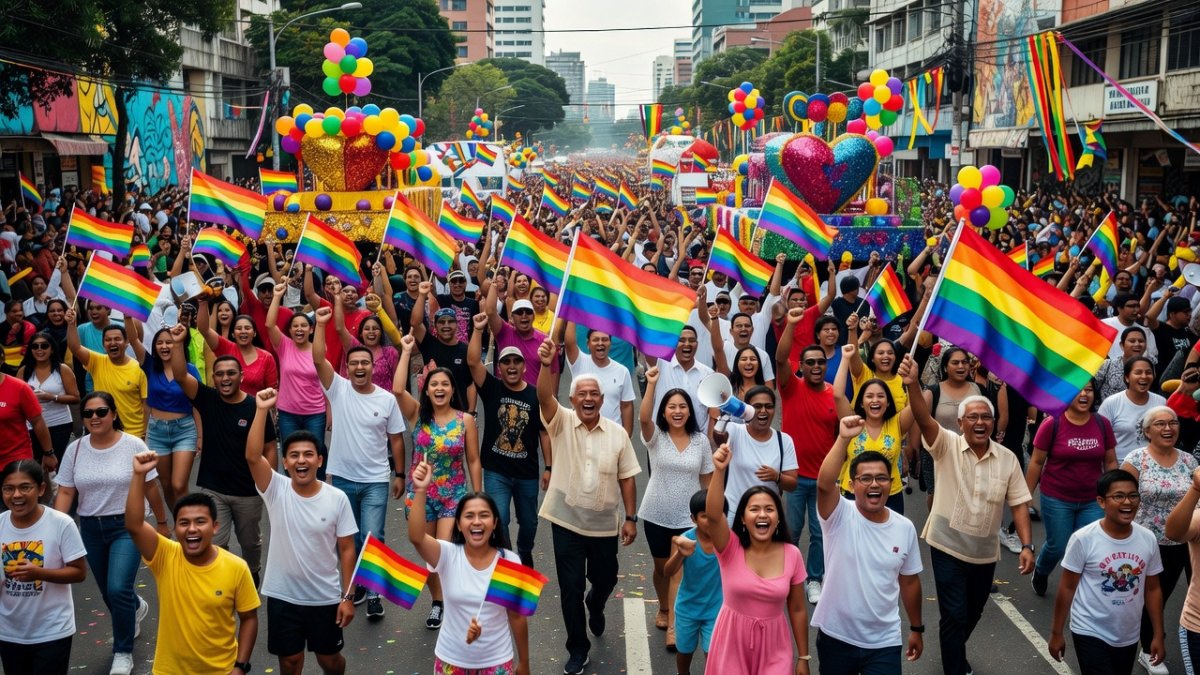
The Enduring Spirit of Pride in the Philippines The Pride March in the Philippines continues to thrive after three decades, serving as a powerful reminder of the LGBTQIA+ community's ongoing struggle for equality and an end to discrimination. This year's events highlight how the movement has grown from its roots in the 1990s into a nationwide call for legislative change that to
The Enduring Spirit of Pride in the Philippines
The Pride March in the Philippines continues to thrive after three decades, serving as a powerful reminder of the LGBTQIA+ community's ongoing struggle for equality and an end to discrimination. This year's events highlight how the movement has grown from its roots in the 1990s into a nationwide call for legislative change that touches the lives of families, workers, and students across the archipelago.
Communities in cities and provinces alike gather to celebrate diversity while demanding that the government move beyond words to deliver real protections. The persistence of these marches reflects the bayanihan spirit that binds Filipinos together in times of challenge, ensuring that no one is left behind in the pursuit of dignity and fairness.
Renewing Commitment at Love Laban Pride PH Festival
At the Love Laban Pride PH Festival in Quezon City, Pride PH convenor Rhodina Singh emphasized the yearly renewal of commitment to fight for equal rights. She noted that as long as these rights remain unachieved, the community will continue to multiply, take to the streets, and protest.
This gathering in Quezon City drew supporters who see the event not just as a celebration but as a vital platform for advocacy. Ordinary Filipinos, from sari-sari store owners to tricycle drivers, witness how such festivals foster understanding in their barangays and encourage kapitbahay to stand in solidarity.
The festival's message resonates deeply with families who have members identifying as LGBTQIA+, reminding them that the fight is about protecting loved ones from daily discrimination in schools, workplaces, and public spaces.
Voices from Quezon City and Beyond
Quezon City Mayor Joy Belmonte expressed gladness that more people are supporting the cause toward equality. She stressed that while it is a celebration of diversity, the community has not yet achieved equal rights in the eyes of the law, and the fight continues until that happens.
Her words underscore the role of local government units in creating inclusive environments where students and workers feel safe. In Quezon City, this support helps bridge gaps between the LGBTQIA+ community and broader society, promoting harmony during fiestas and everyday interactions.
Across regions, the expansion of Pride events shows how the movement is planting seeds beyond Metro Manila, reaching farmers and OFWs who return home with hopes for a more accepting Philippines.
Metro Manila Pride Returns to Malate
After a two-year hiatus, Metro Manila Pride returned to the streets of Malate in Manila, marking a significant comeback for the historic site of early marches. Deputy executive director Macjo Catequista noted the community's presence since the 1990s and the dream of holding Pride Marches beyond Metro Manila.
This return brings renewed energy to Manila's communities, where jeepney drivers and local residents often see the marches as symbols of resilience. The expansion into other regions allows more Filipinos to participate, strengthening ties among diverse groups united by shared values of respect and inclusion.
Catequista highlighted how the events have grown, reflecting the community's determination to make equality a reality for everyone, from urban centers to rural barangays.
Calls for Concrete Action from the Government
President Marcos has made a statement in support of the LGBTQIA+ community this June, yet the month ends without any concrete action from the country's leader. Catequista viewed the statement as a good surprise but emphasized that without protection for the community, it remains lip service.
He challenged the President to be proactive in enacting equality measures such as the SOGIE Equality Bill, Marriage Equality Bill, and the Right To Care Bill. Addressing the President directly, Catequista stated that people are dying literally because they have identities not conventional to them, urging swift action since the community should not have to beg for what should be provided.
These calls connect directly to Philippine politics, where Congress and the Senate hold the power to pass laws that would protect vulnerable groups. Without movement, families continue to face uncertainty in matters of care and recognition.
The Human Cost and the Path to Equality
The absence of concrete measures leaves real impacts on Filipino lives, where discrimination affects access to jobs, education, and healthcare for LGBTQIA+ individuals. Students in public schools and workers in various sectors often navigate challenges that could be eased by legislative protections.
Communities across the country feel this gap, as parents worry about their children's futures and barangay captains work to maintain peace amid ongoing social divides. The Pride events serve as reminders that equality is not just a slogan but a necessity for harmonious living.
By centering these stories, the movement highlights how policy changes would benefit not only the LGBTQIA+ community but all Filipinos seeking a society rooted in fairness and compassion.
Building a More Inclusive Future for All Filipinos
The Pride March after 30 years stands as a testament to the community's resilience and its vision for a Philippines where equality measures are enacted without delay. Leaders like Rhodina Singh, Joy Belmonte, and Macjo Catequista continue to push for progress that honors the sacrifices of those who came before.
As events expand nationwide, they inspire hope that local government units and national bodies will respond with action. This would allow every Filipino, regardless of identity, to contribute fully to the nation's economy and culture.
The call remains clear: swift enactment of bills that end discrimination and affirm rights, ensuring that the spirit of Pride translates into lasting change for families and communities everywhere.
By Bella Reyes, Staff WriterThis article was produced with AI-assisted research and editorial support. Reporting is based on sources cited in the article.
What's Your Reaction?
 Like
0
Like
0
 Dislike
0
Dislike
0
 Love
0
Love
0
 Funny
0
Funny
0
 Wow
0
Wow
0
 Sad
0
Sad
0
 Angry
0
Angry
0

Africa Correspondent at Global1.News. Based in Lagos, covering politics, business, technology, and culture across the continent. Focused on telling African stories beyond the headlines — the innovation, entrepreneurs, and communities shaping the region's future.










Comments (0)