
Yokoze Shows Path for Rural Revival Amid Japan Depopulation
Yokoze's Population Achievement Yokoze in Saitama Prefecture has recorded measurable population growth at a time when most rural municipalities continue to lose residents. Local officials have pointed to sustained participation in housing and family-support programs as key factors behind the reversal. The achievement stands out because it occurred without large-scale industrial
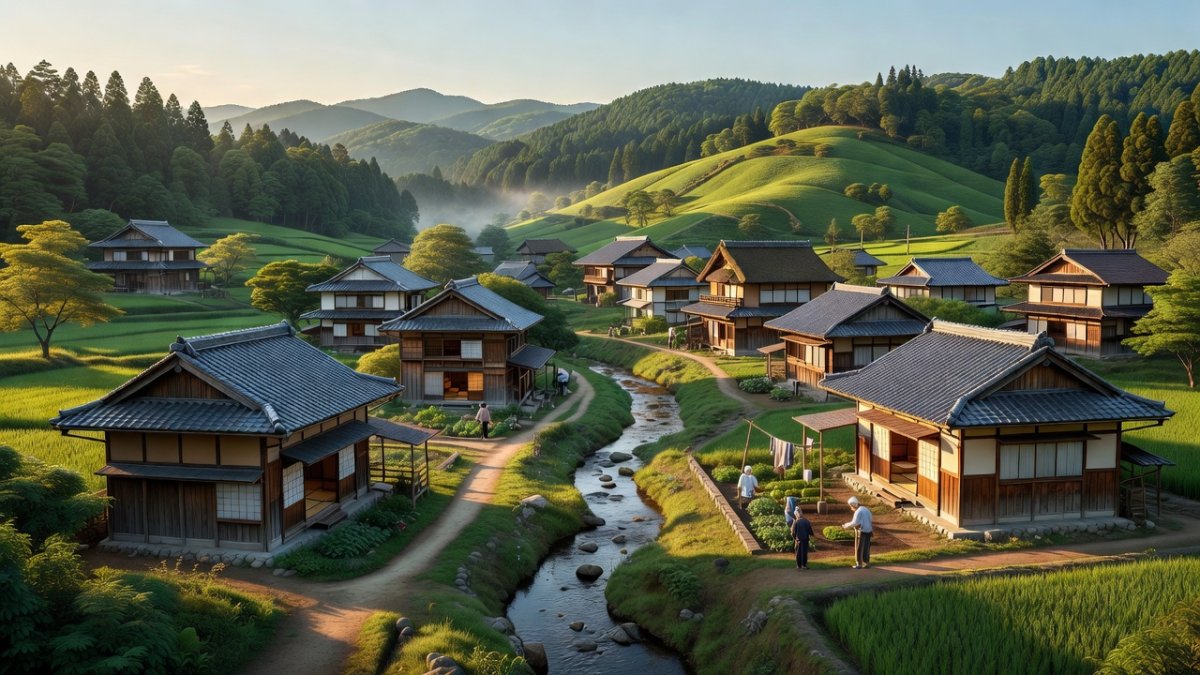
Yokoze's Population Achievement
Yokoze in Saitama Prefecture has recorded measurable population growth at a time when most rural municipalities continue to lose residents. Local officials have pointed to sustained participation in housing and family-support programs as key factors behind the reversal. The achievement stands out because it occurred without large-scale industrial investment or major infrastructure projects.
The increase reflects steady inflows of younger households rather than temporary migration. Town records show consistent registration of new residents over multiple years, supported by retention of existing families. This pattern differs from short-term gains seen in some other localities that later reversed.
Japan's Demographic Crisis
Japan faces ongoing rural depopulation driven by low birth rates and net out-migration to major urban centers. Many municipalities experience shrinking tax bases that limit spending on services and maintenance. Saitama Prefecture itself contains both growing suburban areas and declining rural districts, illustrating the uneven national pattern.
Central government data track continued population loss across most non-metropolitan regions. Aging populations raise per-capita costs for healthcare and elder care while reducing the working-age labor force. These pressures affect local economies and public finances in ways that compound over time.
Policy discussions at the national level increasingly focus on whether localized successes can be adapted elsewhere. The contrast between Yokoze and neighboring towns that continue to shrink highlights the limits of uniform national approaches.
The Specific Programs and Policies Yokoze Implemented
The town introduced programs focused on housing support for families with children and expanded childcare options. These measures addressed immediate barriers that often prompt younger residents to leave. Officials have noted higher participation rates in these initiatives compared with similar efforts in nearby municipalities.
Community engagement activities were structured to integrate newcomers with long-term residents. Regular local events and volunteer opportunities helped maintain social cohesion during the period of population change. The combination of practical support and social integration appears to have contributed to longer-term residency.
Childcare expansions were coordinated with existing school facilities rather than requiring entirely new construction. This approach kept costs manageable while increasing capacity. Local officials have pointed to sustained participation as evidence that the programs meet actual family needs.
Economic Initiatives and Partnerships
Yokoze developed support mechanisms for small enterprises in agriculture and light manufacturing. These efforts built on existing local strengths rather than attempting to attract large external employers. Partnerships with businesses in the greater Tokyo region provided supplementary income opportunities for residents who commute or sell products outward.
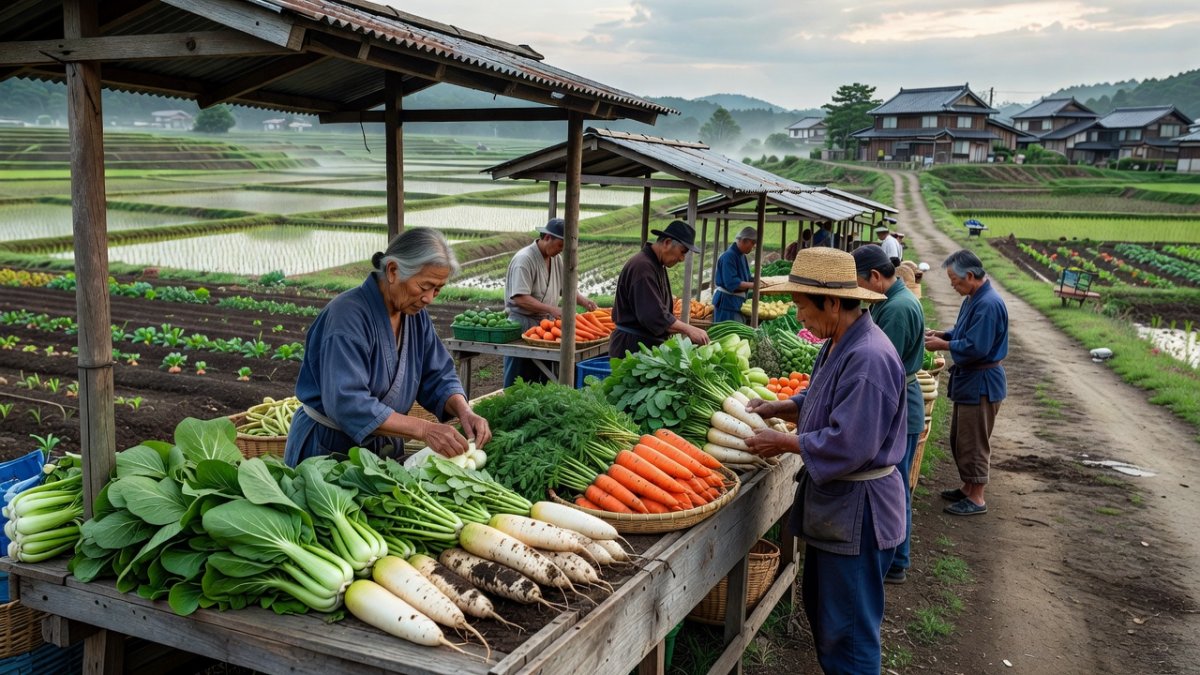
Agricultural initiatives emphasized value-added processing and direct sales channels. Light manufacturing operations remained small-scale but stable, employing residents who might otherwise have relocated. The town leveraged its location within Saitama Prefecture to maintain connections to larger markets without depending on them exclusively.
Economic outcomes have been incremental rather than dramatic. Local revenue from these activities has helped stabilize the municipal budget, though officials acknowledge that growth remains modest. The focus has stayed on retention of existing economic activity alongside modest expansion.
Challenges of Replication
Yokoze benefits from proximity to Saitama city centers and established transportation links. These geographic advantages facilitate commuting and access to regional services that more remote towns lack. Municipalities farther from major urban areas face different constraints when attempting similar measures.
Existing infrastructure, including schools and community facilities, allowed Yokoze to expand services without major new capital investment. Towns that have already lost significant population often confront deteriorating facilities that raise the cost of any revival effort. This difference limits direct transfer of the Yokoze model.
Local leadership continuity and consistent program administration also played roles. Changes in town leadership or funding priorities can disrupt the multi-year engagement required for population stabilization. Officials in other regions have noted these practical barriers when studying the case.
National Policy Implications
Ministries including METI and the Ministry of Internal Affairs have examined Yokoze as one example among various local experiments. Central government interest centers on identifying elements that could inform broader support frameworks without assuming uniform applicability. Funding mechanisms and technical assistance programs are under review.
Policy discussions emphasize the need for flexible approaches that account for differing local conditions. National strategies continue to evolve around matching support to specific municipal capacities rather than imposing standardized templates. Saitama Prefecture serves as a useful test case because of its mix of urban and rural characteristics.
Longer-term outcomes will depend on whether central agencies can translate observed results into scalable guidance. Continued monitoring of Yokoze and comparable towns will inform future adjustments to regional development policy. The case underscores the value of detailed local data in shaping national responses to demographic change.
Tags: Yokoze, rural revival, Saitama Prefecture, Japan demographics, depopulation, METI, population growth, local policies
By Kenji Tanaka, Staff Writer
This article was produced with AI-assisted research and editorial support. Reporting is based on sources cited in the article.
What's Your Reaction?
 Like
0
Like
0
 Dislike
0
Dislike
0
 Love
0
Love
0
 Funny
0
Funny
0
 Wow
0
Wow
0
 Sad
0
Sad
0
 Angry
0
Angry
0

Japan Correspondent at Global1.News. Tokyo-based voice covering Japanese politics, technology, economy, and culture. Tracks the intersection of tradition and innovation in one of the world's most dynamic societies.















Comments (0)