
Chadchart wins second term as Bangkok governor in landslide
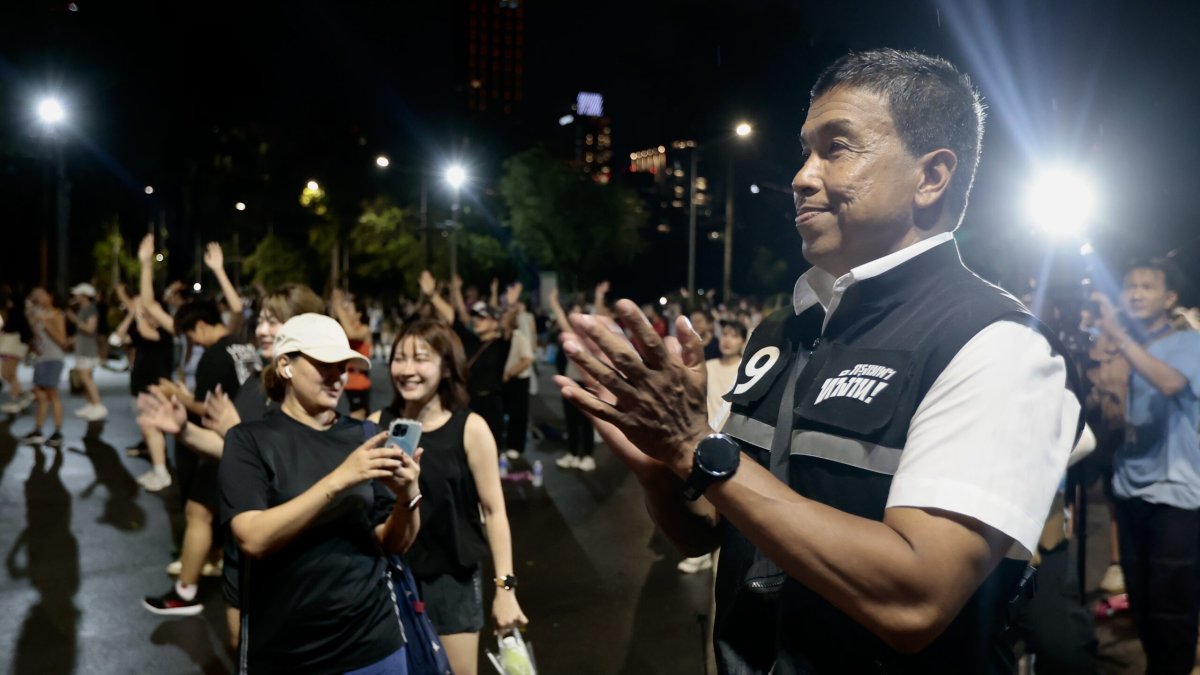
Election Results and Turnout Data Independent candidate Chadchart Sittipunt secured a second term as Bangkok governor after taking a commanding lead in the unofficial vote count following Sunday's election. More than 4.42 million people were eligible to vote in the gubernatorial election, with Bangkok authorities aiming to raise voter turnout above the 60.73 percent recorded in
Election Results and Turnout Data
Independent candidate Chadchart Sittipunt secured a second term as Bangkok governor after taking a commanding lead in the unofficial vote count following Sunday's election. More than 4.42 million people were eligible to vote in the gubernatorial election, with Bangkok authorities aiming to raise voter turnout above the 60.73 percent recorded in the 2022 election. As counting progressed after polls closed, Chadchart quickly pulled ahead of his rivals, making his re-election all but certain based on the unofficial results.
The Bangkok Metropolitan Administration coordinated closely with district offices across areas such as Bang Rak, Chatuchak, and Prawet to manage the voting process. Officials noted that participation reflected the strong civic spirit found in Thai communities where neighbors often discuss local matters at morning markets. The scale of eligible voters highlighted the dense urban population that relies on the governor for daily services from waste collection to road repairs.
Early tallies showed Chadchart maintaining a wide margin over every other contender throughout the night. This outcome built on his first-term record of direct engagement with residents in neighborhoods along the Chao Phraya River. Bangkok authorities had prepared additional polling stations in high-density zones to accommodate families who travel together on election days.
Final unofficial figures confirmed the landslide victory while still leaving room for official certification by the Election Commission of Thailand. The high number of eligible voters underscored Bangkok's role as the political and economic heart of the country. Community leaders in districts like Dusit praised the smooth conduct of the process that allowed elderly residents to cast ballots without long waits.
Chadchart's Victory Speech and Message
Speaking after his victory became clear, Chadchart thanked both supporters and those who voted for other candidates. He stated that every vote matters because the governor must serve everyone equally. Winning is not a time for celebration because a heavy responsibility lies ahead for the Bangkok Metropolitan Administration.
Chadchart urged newly elected Bangkok Metropolitan Council members to work with integrity and serve the public honestly while respecting both residents and civil servants. His words echoed traditional Thai values of harmony and mutual respect that guide community leaders in temples and village gatherings. He emphasized that success in the second term would depend on listening to voices from every district.
The governor-elect reminded listeners that Bangkok faces ongoing challenges that require steady cooperation rather than division. He spoke warmly of the city's diverse population, including market vendors in Yaowarat and office workers in Silom. Chadchart promised to continue visiting local communities to understand daily concerns firsthand.
His message focused on unity across political lines, drawing from the gentle approach often seen in Thai family discussions where elders seek consensus. Chadchart expressed gratitude to election volunteers who ensured polling stations operated fairly in every sub-district. The speech set a tone of humility that resonated with residents watching from homes across the city.
Opposition Response and Concession
People's Party leader Natthaphong Ruengpanyawut and the party's Bangkok governor candidate, Chaiwat Sathawornwijit, conceded defeat after the outcome became apparent and congratulated Chadchart on his victory. Natthaphong thanked Bangkok voters for participating in the election while Chaiwat expressed gratitude to those who supported him and the People's Party candidates for the Bangkok Metropolitan Council.
The concession came swiftly once unofficial counts showed Chadchart's strong lead. Chaiwat wished the governor-elect success in his second term and pledged that the People's Party would continue monitoring city projects. This response reflected the party's commitment to constructive opposition following its defeat in the general election in February 2026.
Natthaphong highlighted the importance of voter participation in strengthening Thai democracy at the local level. He noted that Bangkok residents had made their choice clear and that the People's Party would respect the outcome. Party members gathered in their Bangkok headquarters to discuss future strategies for engaging communities in districts such as Bang Kapi and Sathon.
The concession speeches avoided bitterness and instead focused on shared goals for the capital. Observers in Thai political circles viewed this as a mature response that aligns with cultural expectations of graceful acceptance. The People's Party candidates for council seats also extended congratulations, signaling willingness to collaborate on issues affecting everyday life in the city.
What This Means for Bangkok's Infrastructure
Chadchart's re-election carries direct implications for ongoing efforts to ease traffic congestion along major routes such as Vibhavadi Rangsit Road and the expressways connecting to Don Mueang Airport. Residents in areas like Nonthaburi border zones expect continued focus on expanding public transport links that reduce daily commute times. The Bangkok Metropolitan Administration has already begun planning additional skytrain extensions that would serve growing suburban communities.
Flood control measures along the Chao Phraya River and in low-lying districts such as Bang Khen remain a priority. Chadchart's first term introduced improved drainage systems that protected homes during heavy monsoon seasons. Voters anticipate further investment in pumping stations and green spaces that absorb rainwater while enhancing neighborhood livability.
Public transport improvements will likely accelerate under the second term, including better integration between the BTS and MRT networks at key interchanges in Siam and Asok. These upgrades support Bangkok's economy by helping workers reach offices on time and boosting tourism around historic sites in Rattanakosin. Local businesses in markets near these stations have already reported increased foot traffic from reliable transit.
The governor-elect has stressed collaboration with national agencies such as the Department of Highways to coordinate large-scale projects. This approach addresses the interconnected nature of Bangkok's infrastructure challenges that affect both central districts and outer suburbs. Residents hope the second term will bring visible progress on long-promised road repairs in older communities.
Impact on Thai National Politics
The result marks another electoral setback for the People's Party, Thailand's main opposition party, following its defeat in the general election in February 2026. Chadchart's strong independent win demonstrates that Bangkok voters continue to favor candidates who focus on local governance over national party platforms. This pattern influences how other provinces view upcoming local elections.
Political analysts note that Chadchart's success strengthens the position of independent voices within Thailand's decentralized administration system. His ability to win without formal party backing encourages community leaders in cities like Chiang Mai and Hat Yai to consider similar approaches. The outcome also shapes discussions in the national parliament about the balance between central and local authority.
Bangkok's election results often serve as a barometer for broader Thai political sentiment. Chadchart's landslide suggests residents prioritize practical solutions to daily issues over ideological debates. This preference may guide national parties as they prepare for future contests and seek to reconnect with urban voters.
The victory reinforces the importance of the Bangkok Metropolitan Administration as a model for effective city management across Thailand. Government officials in other regions watch closely to see how Chadchart implements his agenda. The result encourages greater civic participation in local affairs throughout the country.
Voter Turnout and Civic Engagement in Bangkok
Authorities aimed to exceed the 60.73 percent turnout from the 2022 election among the 4.42 million eligible voters. Community groups in districts such as Phra Nakhon organized information sessions at temples and schools to explain voting procedures. These efforts reflected the Thai tradition of collective responsibility where neighbors encourage one another to participate.
High engagement appeared in both central business areas and residential suburbs where families discussed candidates at evening meals. Volunteers from local universities assisted elderly voters in reaching polling stations in places like Lat Phrao. The process highlighted Bangkok's vibrant civic culture that values every voice in shaping the city's future.
Turnout data will provide insights into which neighborhoods showed the strongest participation. Early reports indicated steady lines at stations near major markets where vendors paused their work to vote. Such patterns demonstrate how daily life in Bangkok intertwines with political awareness.
Civic organizations praised the calm and orderly atmosphere at polling places across the capital. This environment allowed residents to express their preferences freely while maintaining the respectful tone characteristic of Thai public gatherings. The overall participation level will influence planning for future municipal elections.
Regional Implications for Southeast Asia
Chadchart's re-election offers lessons for other major cities in Southeast Asia facing similar urban pressures. Bangkok's approach to balancing rapid growth with livability resonates with leaders in Jakarta and Manila who manage comparable populations. Regional forums often cite the Thai capital's flood management strategies as examples worth studying.
The governor's emphasis on inclusive service aligns with ASEAN goals of sustainable development that benefit ordinary residents. Cooperation between Bangkok and neighboring countries on transport corridors could expand under the second term. These connections support economic ties that benefit Thai exporters and regional tourism.
Observers across Southeast Asia note that independent candidates like Chadchart can succeed when they address concrete local needs. This trend may encourage similar candidacies in elections scheduled for other capitals in the coming years. Bangkok's experience provides a reference point for building trust between city administrations and diverse communities.
The outcome strengthens Thailand's reputation as a stable democracy within the region. Southeast Asian media outlets have already begun analyzing how Chadchart's victory speech on equal service might influence governance discussions in neighboring nations. Such exchanges promote mutual learning among cities that share tropical climates and dense urban fabrics.
What to Expect in Chadchart's Second Term
Chadchart has indicated that his second term will prioritize continued collaboration with the newly elected Bangkok Metropolitan Council members. He expects these representatives to uphold integrity while working alongside civil servants in agencies such as the BMA's Department of Drainage and Sewerage. This partnership aims to deliver steady improvements in daily services.
Residents can anticipate further attention to green initiatives that enhance public parks in districts like Lumpini and Benjakitti. Chadchart's administration plans to expand community programs that involve local schools in environmental education. These efforts build on successful first-term projects that improved air quality and recreational spaces.
The governor-elect has committed to maintaining open communication with all Bangkok communities regardless of voting patterns. Regular town hall meetings in areas such as Thonburi and Min Buri will allow residents to share feedback directly. This approach reflects the gentle leadership style that values listening as much as decision-making.
Long-term goals include strengthening Bangkok's resilience against seasonal challenges while supporting economic activities that sustain families. Chadchart's team will coordinate with national ministries on projects that benefit the entire metropolitan region. The second term promises measured progress rooted in the trust voters have placed in his independent vision.
By Ann Srisawat, Staff WriterThis article was produced with AI-assisted research and editorial support. Reporting is based on sources cited in the article.
What's Your Reaction?
 Like
0
Like
0
 Dislike
0
Dislike
0
 Love
0
Love
0
 Funny
0
Funny
0
 Wow
0
Wow
0
 Sad
0
Sad
0
 Angry
0
Angry
0

Southeast Asia Correspondent at Global1.News. Based in Bangkok, covering Thai and Southeast Asian politics, economy, technology, and culture. Deep regional perspective on one of the world's most dynamic regions.












Comments (0)