
Yazidi Survivors of IS: Dr Nagham Nawzat's 1,200 Stories of Healing
The Sinjar Attack and the Yazidi Genocide The events of August 2014 in Sinjar marked a devastating chapter in the history of the Yazidi community in Iraq. Islamic State forces launched a coordinated assault on the Sinjar region, resulting in the killing or kidnapping of at least 12,000 Yazidis according to documented reports. This attack was later designated by the United Natio
The Sinjar Attack and the Yazidi Genocide
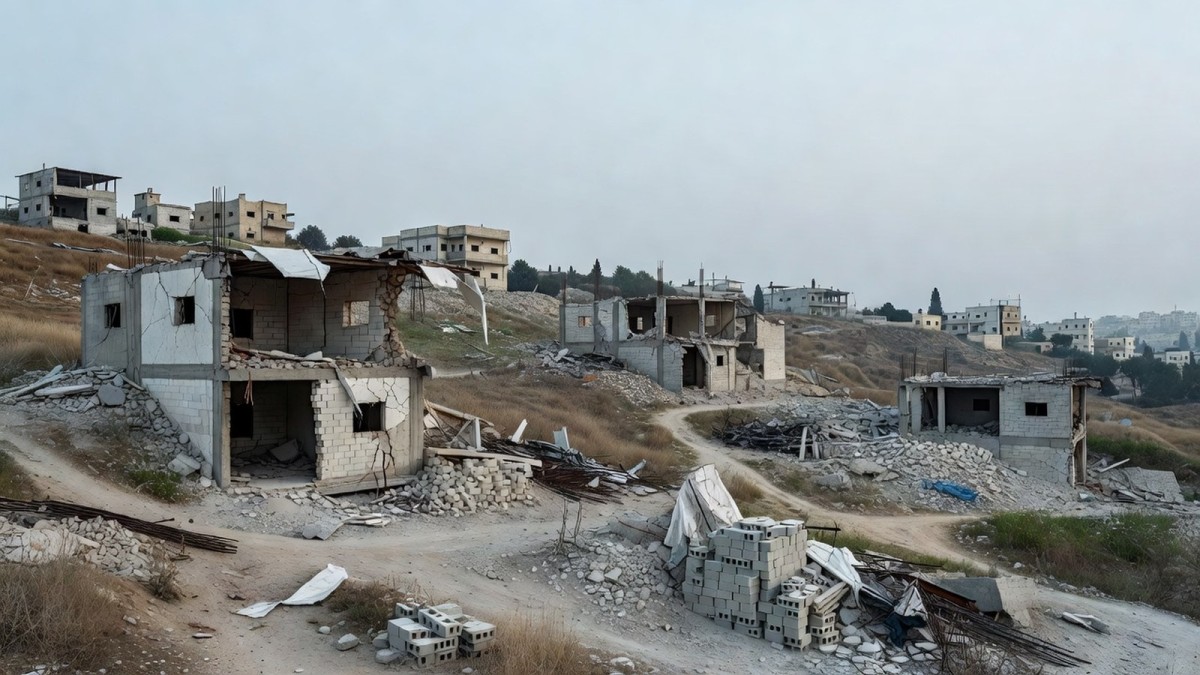
The events of August 2014 in Sinjar marked a devastating chapter in the history of the Yazidi community in Iraq. Islamic State forces launched a coordinated assault on the Sinjar region, resulting in the killing or kidnapping of at least 12,000 Yazidis according to documented reports. This attack was later designated by the United Nations as an ongoing genocide, highlighting the systematic targeting of an entire ethnic and religious minority. The scale of the violence displaced thousands and shattered communities that had lived in the area for generations, creating immediate and long-term humanitarian crises across northern Iraq.
Historical context reveals that the Yazidi population had faced repeated persecutions over centuries, yet the 2014 assault stood out for its intensity and intent to eradicate cultural and religious identity. Families were torn apart in the initial hours of the offensive, with survivors fleeing to nearby mountains under extreme conditions. The United Nations classification underscored the deliberate nature of the crimes, prompting international attention but also revealing gaps in rapid response mechanisms for minority protections. Human impact analysis shows how entire villages lost their social fabric, with economic livelihoods destroyed and generational trauma embedded in the collective memory of those who escaped.
Dr. Nagham Nawzat's later work would directly address the aftermath of this genocide through medical and psychological support. The attack's repercussions extended beyond immediate casualties, fostering a refugee crisis in Iraq's Kurdish region where resources were stretched thin. Communities in Duhok became hubs for those seeking safety, setting the stage for specialized centers to emerge. The genocide designation by the UN served as a call for accountability, yet the human stories of loss continued to unfold years afterward, emphasizing the need for sustained intervention in health and recovery services.
Enslavement and Survival
Yazidi women who endured Islamic State captivity carried profound physical and psychological burdens that required specialized medical attention upon liberation. The experiences of these survivors, as reflected in the cases handled by professionals like Dr. Nagham Nawzat, involved extended periods of forced separation from families and exposure to gender-based violence. With at least 12,000 individuals affected in the initial attack, the captivity of women represented a targeted element of the broader genocide recognized by the United Nations.
Historical patterns of conflict in the region illustrate how minority groups have often borne disproportionate suffering during insurgencies, and the 2014 events amplified this through systematic enslavement practices. Human impact analysis indicates that survivors returned with complex health needs, including those addressed by gynecological expertise, which directly informed the establishment of dedicated facilities. The resilience demonstrated by these women in seeking care at centers in Duhok underscores the determination to rebuild despite overwhelming adversity.
Dr. Nagham Nawzat encountered numerous such cases after joining support efforts in 2015, where the focus remained on restoring dignity and health. The estimated 1,200 women she assisted highlight the volume of need stemming from captivity experiences. International recognition of the genocide helped channel some resources, yet the personal toll on individuals persisted, necessitating ongoing medical interventions tailored to trauma survivors. This period of survival and eventual return shaped the core mission of facilities dedicated to gender-based violence recovery.
Liberation and the Long Road Home
As of July 2018, Hussein al-Qaidi, director of the Kurdistan Regional Government's Kidnapped Affairs department, confirmed that 2,023 Yazidi women had been liberated from Islamic State captivity. This figure represents a fraction of those initially taken during the Sinjar attacks, with many still unaccounted for amid the chaos of conflict. The process of liberation involved complex negotiations and rescues, often leaving survivors in fragile states requiring immediate and sustained care upon return to Iraqi territory.
Physical and psychological trauma accompanied these women on their journeys home, manifesting in health complications that demanded expert intervention. Historical context from the broader Yazidi genocide shows how liberation did not equate to immediate recovery, as social reintegration posed additional hurdles in communities already strained by displacement. Human impact analysis reveals the ripple effects on families, where reunited members faced challenges in restoring normalcy after years of separation and uncertainty.
Dr. Nagham Nawzat played a pivotal role in supporting an estimated 1,200 of these liberated women through her work at the Duhok Survivors' Centre. The long road home frequently involved medical evaluations and therapeutic support to address the consequences of captivity. With the United Nations maintaining its genocide classification, the need for comprehensive rehabilitation programs remained evident, as individual stories of endurance continued to inform policy discussions on victim assistance in post-conflict Iraq.
Dr Nagham Nawzat: A Life Dedicated to Healing
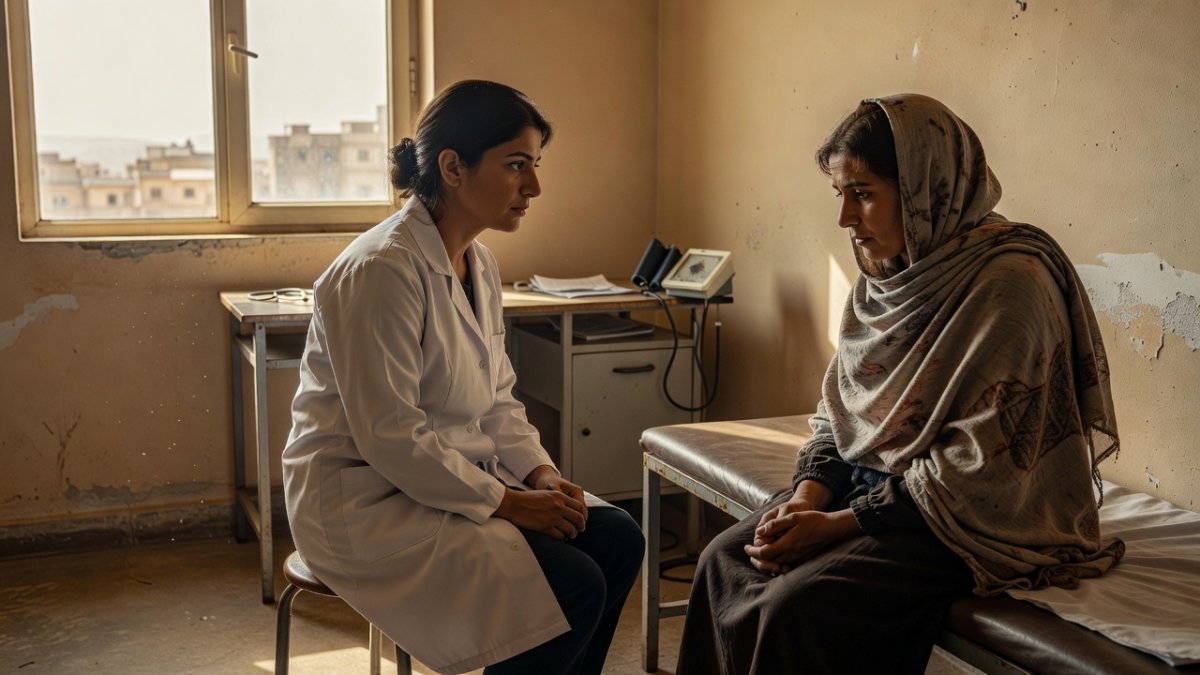
Dr. Nagham Nawzat was born in Mosul to a Yazidi family in 1976 and pursued her medical education at Mosul's Medical College, graduating in 2002. Her background as a Yazidi gynaecologist positioned her uniquely to address the specific health concerns arising from the 2014 attacks on Sinjar. After completing her studies, she established her practice in the region, eventually focusing her efforts on survivors of gender-based violence in Iraq's Kurdish area around Duhok.
The decision to join the Duhok Survivors' Centre in 2015 came at a critical time when the aftermath of the Islamic State offensive demanded specialized expertise. Historical context of Yazidi experiences in Iraq underscores the importance of community members like Dr. Nawzat stepping forward to provide culturally sensitive care. Human impact analysis demonstrates how her personal connection to the affected population enhanced trust and facilitated healing processes for over 1,000 women who had survived captivity.
Her contributions extended beyond clinical treatment to encompass advocacy for sustained support systems. By 2016, these efforts earned international acknowledgment, yet the core of her work remained rooted in daily interactions with survivors in Duhok. The estimated 1,200 women assisted reflect a career defined by dedication amid ongoing regional instability, where medical professionals played essential roles in addressing the genocide's enduring consequences.
The Duhok Survivors' Centre
The Duhok Survivors' Centre stands as the only facility in Iraq specializing in gender-based violence, offering targeted services to those impacted by the Islamic State campaign against Yazidis. Established to meet the urgent needs following the 2014 Sinjar attacks, the centre received funding from the United Nations Population Fund, enabling it to operate as a dedicated space for recovery and medical care. Dr. Nagham Nawzat joined the centre in 2015, bringing her gynaecological expertise to a setting where such specialization proved indispensable.
Historical context from the United Nations genocide designation highlights the necessity for institutions focused exclusively on the repercussions of systematic violence against women. Human impact analysis shows how the centre's location in Iraq's Kurdish region provided accessible support for displaced communities, fostering environments where survivors could address both immediate and long-term health issues. The facility's unique status in the country underscored gaps in national infrastructure for handling conflict-related trauma.
Through its operations, the centre facilitated the treatment of hundreds of cases linked directly to the events in Sinjar, with Dr. Nawzat contributing to the care of an estimated 1,200 liberated women by 2018. UNFPA support ensured continuity of services amid fluctuating security conditions. This model of specialized care illustrated effective responses to genocide aftermaths, emphasizing the role of medical facilities in restoring agency to affected populations over extended periods.
Rebuilding Lives After Captivity
Survivors of Islamic State captivity faced multifaceted challenges in rebuilding their lives, including physical health complications and psychological scars that required integrated approaches to care. Dr. Nagham Nawzat's holistic methods at the Duhok Survivors' Centre addressed these dimensions by combining medical treatment with supportive environments tailored to gender-based violence victims. With 2,023 women confirmed liberated by July 2018, the scope of need for such comprehensive services remained substantial.
Historical context of the Yazidi genocide reveals how post-liberation phases often involved navigating societal stigmas alongside personal recovery, amplifying the value of dedicated professionals. Human impact analysis indicates that women assisted by Dr. Nawzat, numbering over 1,000 in total, benefited from sustained engagement that promoted gradual reintegration into communities. The centre's focus on specialized care helped mitigate some effects of the 2014 attacks, though full restoration demanded prolonged commitment.
Challenges persisted in areas such as family reunification and economic stability, where medical interventions formed only one component of broader support. Dr. Nawzat's background as a Yazidi physician enhanced the cultural relevance of her work, fostering environments conducive to healing. The ongoing nature of these efforts reflected the genocide's deep imprint on individual trajectories, necessitating continued investment in facilities like the one in Duhok.
International Recognition and Ongoing Need
In March 2016, Dr. Nagham Nawzat received the International Women of Courage Award from US Secretary of State John Kerry, acknowledging her contributions to supporting Yazidi survivors. This recognition highlighted the global significance of her work at the Duhok Survivors' Centre amid the aftermath of the Sinjar genocide. By that point, her efforts had already begun addressing the needs of hundreds of women liberated from captivity, with the total reaching an estimated 1,200 by 2018.
Historical context from the United Nations designation of the events as genocide provided a framework for understanding why such awards drew attention to localized medical responses. Human impact analysis demonstrates how international accolades helped sustain visibility for the struggles of Yazidi women, encouraging further resource allocation through mechanisms like UNFPA funding. The award served as validation for the centre's model while underscoring persistent gaps in support systems.
Ongoing needs remained evident as liberated women continued to require specialized services in Duhok and beyond. Dr. Nawzat's role exemplified the intersection of personal dedication and professional expertise in confronting the consequences of the 2014 attacks. With 2,023 women confirmed freed according to KRG records, the demand for holistic care persisted, reinforcing the importance of sustained international and local collaboration to address the genocide's long-term effects on affected communities.
Source: This article is based on reporting by Middle East Eye. By Fatima Al-Rashid, Staff WriterThis article was produced with AI-assisted research and editorial support. Reporting is based on sources cited in the article.
What's Your Reaction?
 Like
0
Like
0
 Dislike
0
Dislike
0
 Love
0
Love
0
 Funny
0
Funny
0
 Wow
0
Wow
0
 Sad
0
Sad
0
 Angry
0
Angry
0
Gulf/MENA Correspondent at Global1.News. Based in Doha, covering Gulf politics, energy markets, diplomacy, and development across the Middle East and North Africa. Tracks the economic transformation of the Gulf states.










Comments (0)