
Inside Israel Torture Prison Camps Palestinian Lawyer Reveals Systematic Abuse of 9000 Detainees
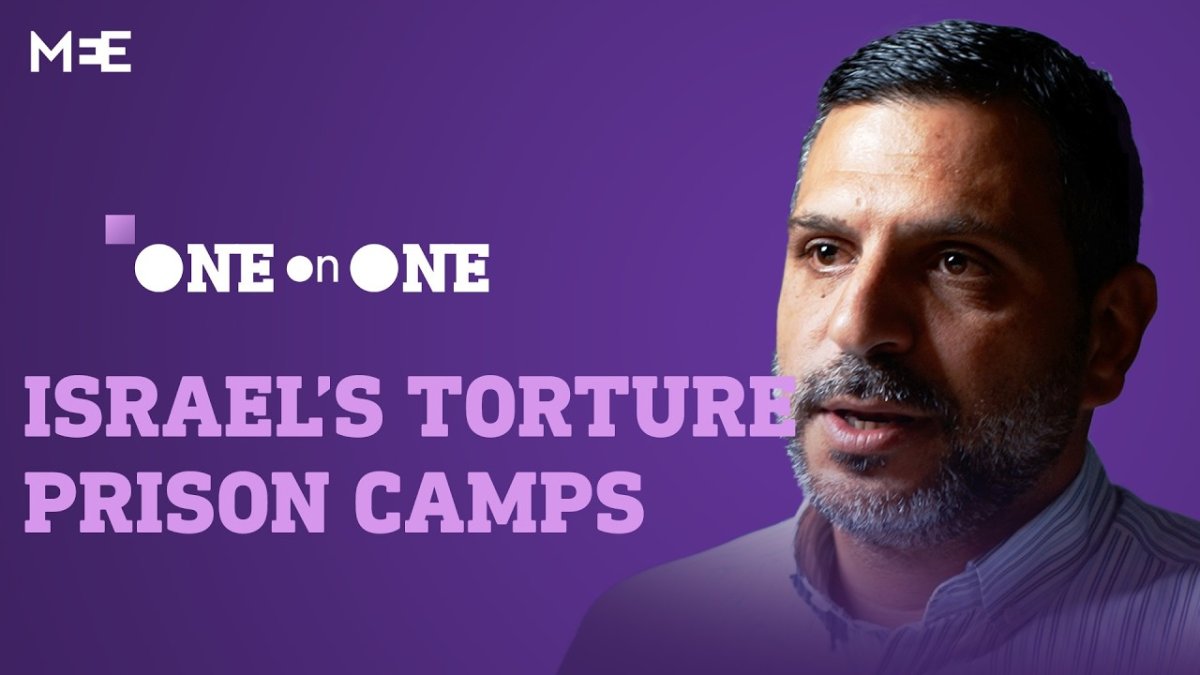
In a recent Middle East Eye interview, Palestinian lawyer Khaled Mahajna describes the transformation of Israeli detention facilities into sites of systematic torture and abuse for Palestinian detainees since October 7, 2023. The account details how dozens of prisons and other installations now function as military camps where thousands of Palestinians, most held without charge
In a recent Middle East Eye interview, Palestinian lawyer Khaled Mahajna describes the transformation of Israeli detention facilities into sites of systematic torture and abuse for Palestinian detainees since October 7, 2023. The account details how dozens of prisons and other installations now function as military camps where thousands of Palestinians, most held without charge, face widespread mistreatment. At least 9,000 Palestinians remain in Israeli captivity according to the figures cited in the discussion.
The Prison Camp System
Since October 7, 2023, Israeli authorities have expanded the use of existing prisons and converted additional sites into military-controlled detention centers. These facilities operate under rules that prioritize security measures over standard judicial oversight. Detainees arrive from various parts of the occupied West Bank, Gaza Strip, and East Jerusalem, often following mass arrest operations. The system processes large numbers of individuals under administrative detention orders that can be renewed indefinitely without formal charges or trials.
Khaled Mahajna, who has gained access to several of these locations through his legal work, reports that the camps function with minimal external monitoring. Military personnel manage daily operations, and access for independent observers remains restricted. This structure creates conditions where practices occur away from routine legal scrutiny. The expansion reflects a broader policy shift that treats detention as a tool for collective pressure rather than individual accountability.
Testimonies of Abuse
Survivors and current detainees interviewed by Mahajna describe repeated physical assaults, prolonged isolation, and denial of basic necessities. Accounts include beatings during interrogations, exposure to extreme temperatures, and restrictions on movement within cells. Sexual violence appears in multiple reports, with soldiers and guards acting without immediate consequences.
These descriptions align with patterns observed across different facilities. Detainees report that complaints filed through official channels rarely lead to investigations. The absence of accountability allows the same practices to continue across sites. Mahajna notes that the consistency of the accounts points to coordinated policies rather than isolated incidents by individual personnel.
The Legal Framework and Its Shortcomings
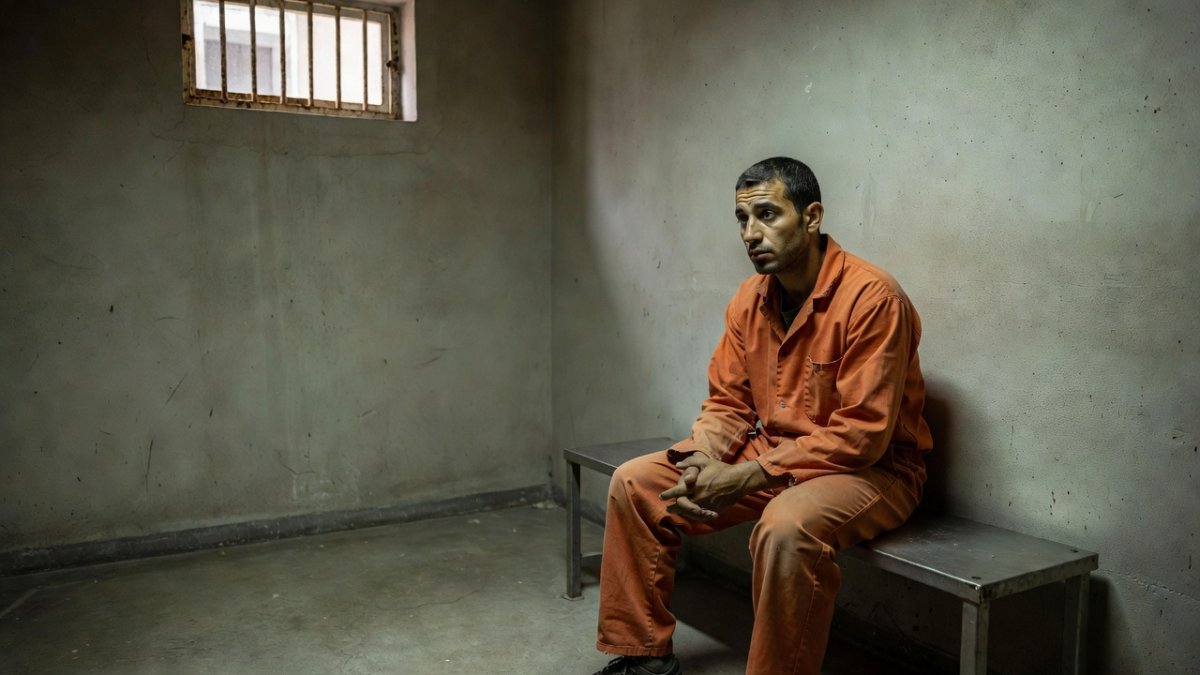
Israeli military law governing the occupied territories permits administrative detention on broad security grounds. Since October 7, 2023, the application of these provisions has widened, resulting in longer periods without judicial review. Courts have approved extensions even when evidence remains classified and unavailable to detainees or their lawyers.
Mahajna explains that the legal process has shifted toward expedited procedures that limit defense rights. Hearings occur under conditions that reduce opportunities for meaningful challenge. Soldiers and interrogators operate with near-total immunity, as internal military investigations seldom produce prosecutions. This framework effectively removes the checks that once provided limited protection against mistreatment.
International Law and Human Rights Implications
Prolonged arbitrary detention and documented ill-treatment violate core provisions of the Fourth Geneva Convention and the Convention Against Torture. Israel, as the occupying power, holds obligations to ensure humane treatment and prompt judicial review for all persons in its custody. The current practices depart from these standards in systematic ways.
Human rights organizations have recorded similar patterns in previous decades, yet the scale since October 7, 2023, marks a significant escalation. The involvement of multiple facilities and the reported frequency of abuse suggest institutional tolerance rather than individual misconduct. International bodies face limited avenues for enforcement while access to the sites remains tightly controlled.
The Impact on Palestinian Detainees
Families in the West Bank and Gaza Strip experience prolonged uncertainty when relatives disappear into the detention system. Visits are infrequent or denied, and communication remains minimal. Economic pressures intensify as breadwinners remain absent for months or years without legal resolution.
Released detainees often carry lasting physical and psychological effects. Communities absorb the return of individuals who have endured isolation and violence, affecting social cohesion and daily life. The absence of accountability mechanisms leaves survivors without formal recognition or redress, reinforcing a cycle of grievance that extends beyond the prison walls.
Broader Regional Consequences
The detention practices intersect with ongoing military operations and movement restrictions across the occupied territories. They contribute to an environment where legal protections appear suspended for large segments of the Palestinian population. This situation shapes political discourse and resistance strategies within Palestinian society.
Regional actors and international observers continue to monitor developments, yet concrete interventions remain limited. The accounts provided by lawyers such as Mahajna supply primary documentation that can inform future legal and diplomatic efforts. Without structural changes to the detention regime, the described conditions are likely to persist.
By Fatima Al-Rashid, Staff WriterThis article was produced with AI-assisted research and editorial support. Reporting is based on sources cited in the article.
What's Your Reaction?
 Like
0
Like
0
 Dislike
0
Dislike
0
 Love
0
Love
0
 Funny
0
Funny
0
 Wow
0
Wow
0
 Sad
0
Sad
0
 Angry
0
Angry
0
Gulf/MENA Correspondent at Global1.News. Based in Doha, covering Gulf politics, energy markets, diplomacy, and development across the Middle East and North Africa. Tracks the economic transformation of the Gulf states.










Comments (0)