
Israeli Paratroopers Return to Bint Jbeil After 20 Years
Twenty years after the fierce battles of the Second Lebanon War, Israeli paratroop commandos have returned to the scarred alleys of Bint Jbeil, confronting both personal ghosts and the persistent threat of Hezbollah. The early 2026 visit by veterans of the 101st and 202nd Battalions, including Medal of Courage recipient Yoni Asseraf, closes a painful circle while highlighting Israel's continued need to neutralize terror infrastructure just five kilometers from its border.
Twenty years after the fierce battles of the Second Lebanon War, Israeli paratroop commandos have returned to the scarred alleys of Bint Jbeil, confronting both personal ghosts and the persistent threat of Hezbollah. The early 2026 visit by veterans of the 101st and 202nd Battalions, including Medal of Courage recipient Yoni Asseraf, closes a painful circle while highlighting Israel's continued need to neutralize terror infrastructure just five kilometers from its border. Their journey through cratered streets and half-rebuilt buildings reveals how little has truly changed in southern Lebanon despite two decades of conflict.
Israeli Paratroopers Return to Bint Jbeil After 20 Years
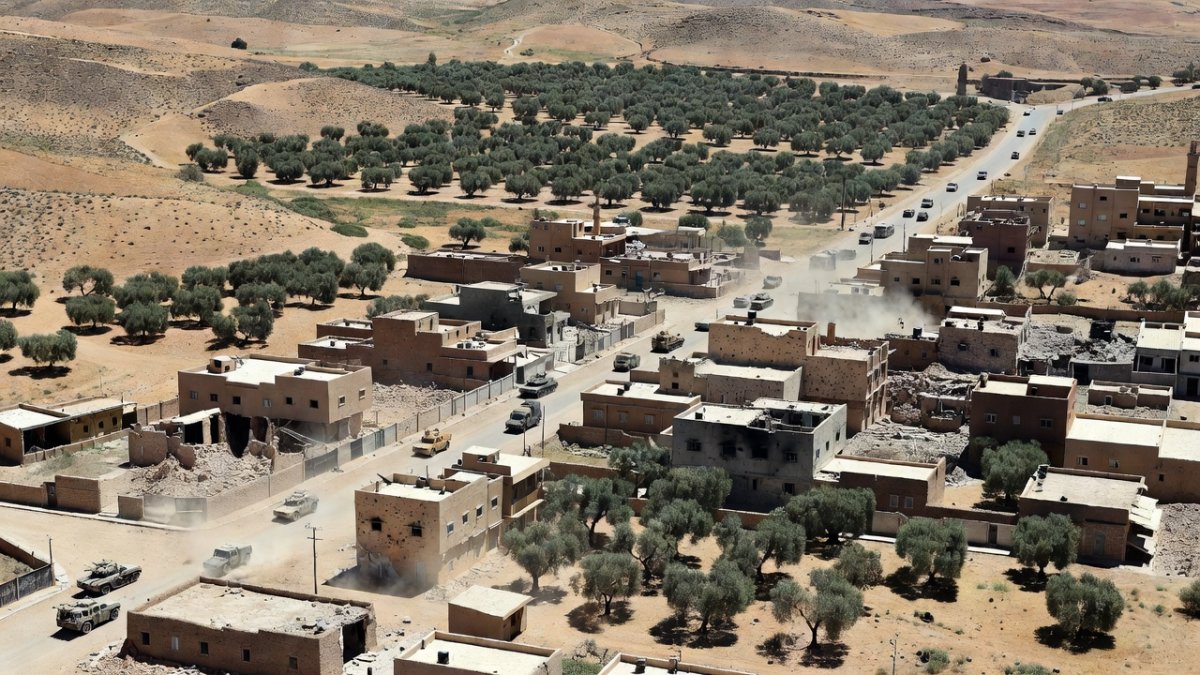
Jerusalem, Israel — As the convoy of IDF reserve paratroopers approached the outskirts of Bint Jbeil in early 2026, the terrain told its own story of two decades of conflict. The once-dense olive groves that had concealed Hezbollah fighters in 2006 now bore the scars of precision strikes and ground maneuvers, with cratered roads winding through a town whose concrete buildings stood half-rebuilt yet still pockmarked by rocket fire. Soldiers from the 101st and 202nd Paratroopers Battalions disembarked in silence, their boots kicking up dust that carried echoes of the fierce urban fighting that had claimed nine Israeli lives in the earlier battle. One veteran, Lt. Col. (res.) David Cohen, remarked that the return felt like “closing a circle we never wanted to reopen,” highlighting how the same alleyways where ambushes occurred now hosted cautious interactions with local Lebanese residents returning under UNIFIL escort.
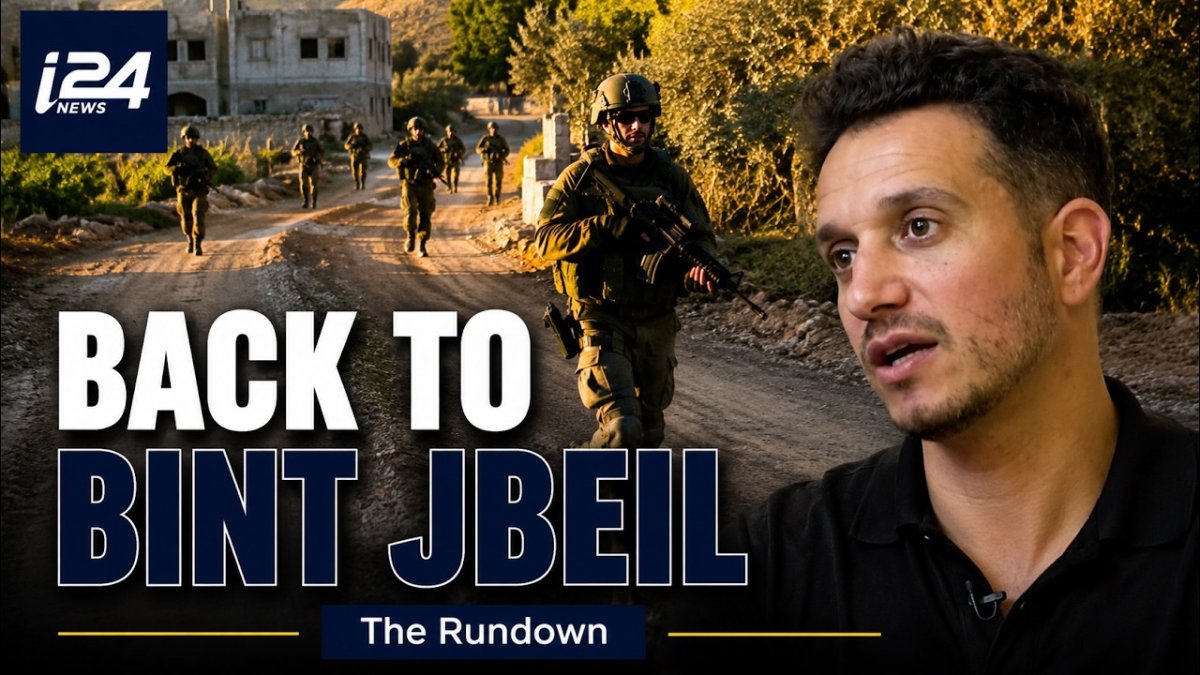
The emotional weight was palpable among the troops, many of whom had left families in northern Israeli communities like Kiryat Shmona that had endured years of Hezbollah rocket threats. Personal stories emerged of soldiers reuniting with comrades at the exact sites of past firefights, sharing quiet moments over photographs of fallen friends. IDF Northern Command spokesperson Col. Maya Adler stated in a briefing that “this return underscores our commitment to ensuring Bint Jbeil never again serves as a launchpad for attacks on Israeli civilians,” reflecting broader national security concerns about deterrence. Regional dynamics added layers of complexity, with the Lebanese government issuing statements condemning both sides while UNIFIL forces mediated de-escalation talks. For the Israeli soldiers, the human element lay in small gestures—handing water to displaced families or exchanging nods with elders who remembered the 2006 clashes—yet these were tempered by the knowledge that Hezbollah’s embedded infrastructure in civilian zones continued to pose risks.
The Battle of Bint Jbeil: 2006
The 2006 Battle of Bint Jbeil unfolded as a grueling urban engagement for the IDF’s 35th Paratroopers Brigade, supported by elements of the Golani Brigade and armored units from the 401st Brigade. Troops advanced through narrow streets and multi-story buildings under intense small-arms and anti-tank fire, with Hezbollah fighters employing classic guerrilla tactics from fortified positions in homes and mosques. The terrain—hilly, densely built, and offering limited maneuver room—favored defenders, leading to close-quarters combat that resulted in 9 Israeli fatalities and over 30 wounded during the initial push. Specific actions included house-to-house clearing operations where paratroopers faced RPG ambushes, forcing adaptations like increased use of drone reconnaissance that were rudimentary compared to later conflicts.
The Second Lebanon War lasted from July 12 to August 14 2006 after Hezbollah conducted a cross-border raid that kidnapped two Israeli soldiers. During the full 34-day conflict the IDF recorded 121 soldiers killed and over 1,200 wounded. Estimates placed Hezbollah fighter deaths above 1,200. Historical context reveals how the 2006 fighting exposed gaps in IDF preparedness after years focused on other fronts, prompting a decade of reforms in urban warfare training and intelligence integration. National security implications remain stark: the casualties underscored the human cost of operations in southern Lebanon, driving investments in active protection systems for vehicles and better coordination with air assets.
A Brotherhood Forged in Combat
Israeli reserve culture, particularly within paratroop units like the 101st Battalion, emphasizes lifelong bonds forged through mandatory service and annual call-ups that extend well beyond active duty. These units maintain cohesion through shared rituals—annual reunions at training bases and mutual support networks that include job placements and family assistance—allowing veterans to sustain connections across civilian careers. In the case of Bint Jbeil returnees, this manifested in 2026 as groups of 40-something reservists arriving together, their 20-year camaraderie evident in inside jokes referencing 2006 code words and the unspoken understanding of who had carried whom during evacuations.
The paratroop commandos have maintained continuous service together across multiple conflicts for two decades. Their shared experience began during the 2006 operations in Bint Jbeil and extended through subsequent reserve call-ups. This long-term unit cohesion allowed the team to operate with established coordination when returning to the same locations in later years. The unique paratroop ethos, rooted in elite selection and airborne operations, has proven resilient against time and distance, with many members relocating abroad yet returning for drills.
Yoni Asseraf: From America Back to the Front
Yoni Asseraf received the Medal of Courage, known as Ot Ha'Oz, for his conduct during the 2006 Battle of Bint Jbeil. After the war he relocated to the United States but returned to Israel following the October 7 2023 attacks. Upon his return Asseraf rejoined his original reserve paratroop unit and resumed service alongside the same team members. His actions illustrate the mobilization of overseas Israelis into active IDF units after October 7 2023. The IDF integrated returning reservists into ongoing northern border operations that addressed threats from Hezbollah positions in southern Lebanon.
Bint Jbeil in the 2026 Lebanon War
In the 2026 Lebanon War the IDF's 98th and 91st Divisions conducted operations in Bint Jbeil. These units reported the destruction of more than 1,500 terror sites and the elimination of over 500 terrorists within the area. The operations targeted Hezbollah infrastructure that had been rebuilt or reinforced since 2006. Bint Jbeil remained a focal point due to its proximity to the Israeli border and its history as a Hezbollah stronghold. Division-level actions in 2026 built on earlier intelligence and ground assessments of the same urban terrain encountered in 2006.
Regional Implications: Lebanon, Hezbollah, and the North
Twenty years after the Second Lebanon War, Iran’s sustained investment in Hezbollah has transformed the group from a militia into a precision-strike force capable of threatening Israel’s entire northern arc. Billions of dollars in funding and advanced technology transfers have allowed Hezbollah to stockpile tens of thousands of rockets and, more dangerously, thousands of GPS-guided munitions that can target specific buildings in Haifa or even Tel Aviv. This arsenal, built under the nose of UNIFIL and in open defiance of Resolution 1701, underscores how Tehran views Lebanon not as a sovereign neighbor but as a forward operating base in its wider campaign against Israel.
The Lebanese state’s inability to assert control south of the Litani River has left communities such as Kiryat Shmona, Metula, and Shlomi living under a permanent shadow. Families who returned after 2006 now face the same evacuation drills and siren wails that defined their childhoods, while American diplomatic initiatives have repeatedly failed to translate into enforceable disarmament. The northern front cannot be isolated from Gaza or Iran’s nuclear program; every escalation in one theater immediately raises the temperature in the others, binding Israel’s security calculations into a single, unforgiving equation.
The 20-Year Cycle
The IDF that entered Bint Jbeil in 2026 carries lessons etched in the failures of 2006: integrated air-ground coordination, real-time intelligence fusion, and a willingness to commit ground forces to clear Hezbollah’s tunnel networks rather than relying on standoff firepower alone. Yet these tactical improvements confront an adversary whose arsenal has evolved from unguided Katyushas to precision-guided missiles that can strike military headquarters and civilian infrastructure with equal accuracy. The strategic question remains whether any military operation, however successful, can produce lasting security when the political conditions that allow Hezbollah to rearm are never altered.
For the paratroopers who fought in the alleys of Bint Jbeil two decades ago and have now returned as veterans, the next twenty years offer little reassurance. Without a fundamental change in Lebanon’s internal balance of power or a credible international mechanism to enforce the border, the cycle of buildup, confrontation, and temporary deterrence is likely to repeat. Israeli-Lebanese relations will continue to be defined not by diplomacy but by the next round of rocket fire and the next generation of commandos sent to contain it.
By Hannah Berg, Staff WriterThis article was produced with AI-assisted research and editorial support. Reporting is based on sources cited in the article.
What's Your Reaction?
 Like
0
Like
0
 Dislike
0
Dislike
0
 Love
0
Love
0
 Funny
0
Funny
0
 Wow
0
Wow
0
 Sad
0
Sad
0
 Angry
0
Angry
0

Israel Correspondent at Global1.News. Based in Tel Aviv, covering Israeli politics, security, technology, and society. Provides balanced, deeply-sourced reporting on one of the most closely-watched regions in the world.












Comments (0)