
Marcos Trust Rating Drops to 34% Ahead of 5th SONA
SWS June 2026 poll shows Marcos trust at 34%, down from 64% in 2024, while Sara Duterte holds 57%. Ahead of his July 27 SONA, pollster Stratbase warns findings are a wake-up call for the administration on inflation and services.
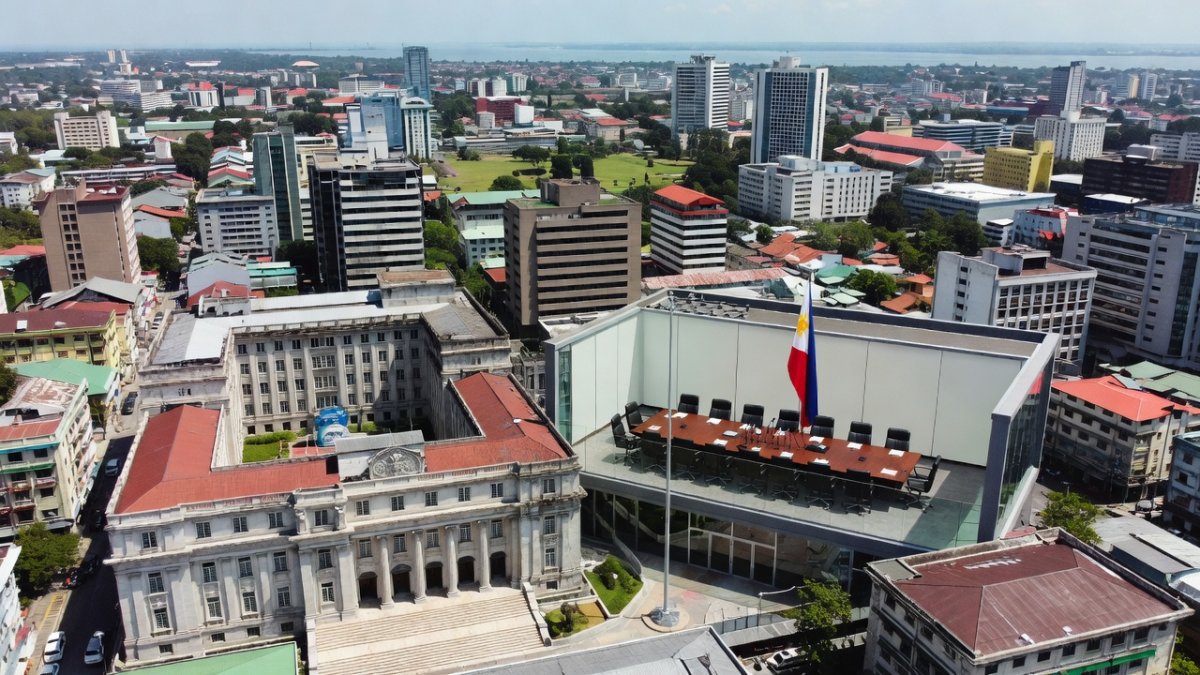
The Latest SWS Survey Findings
The numbers from Social Weather Stations paint a clear picture of shifting public sentiment. In June 2026, President Ferdinand Marcos Jr. recorded a trust rating of 34 percent, slipping one point from the 35 percent measured in March. Forty-five percent of respondents expressed little trust, while 19 percent remained undecided. The nationwide poll of 1,200 adults carries a margin of error of plus or minus three percent nationally and six percent in regional breakdowns.
These figures arrive just days before the president steps to the rostrum for his fifth State of the Nation Address. For many households, the survey serves as a mirror reflecting daily struggles with prices, jobs, and services that reach every barangay from the Cordilleras to the shores of Mindanao.
Tracing Marcos's Declining Trust Ratings
Two years earlier, in July 2024, the same pollster recorded 64 percent trust in the president. A brief rebound to 48 percent appeared in June 2025, yet the trend line has pointed downward since. Each successive survey period has shown erosion, leaving the current 34 percent as the lowest point in the series.
Observers note that trust ratings often move with the rhythm of inflation reports, typhoon responses, and the pace of infrastructure projects felt in provinces. The drop from the mid-60s to the mid-30s spans multiple quarters of economic pressure felt by jeepney drivers, market vendors, and overseas Filipino workers sending remittances home.
Philippine presidents have often seen trust ratings follow the arc of economic conditions and crisis response, with earlier leaders experiencing similar downward shifts when inflation and job scarcity weighed on households across the archipelago. The current slide from higher levels two years ago mirrors patterns where public confidence thinned during periods of sustained price pressures, as families in rural provinces and urban centers alike adjusted budgets for basic goods. Observers point to how these cycles repeat across administrations, with trust eroding when daily realities in the barangay outpace official narratives of recovery.
Economic indicators such as inflation trends and GDP growth have historically aligned with these dips, as rising costs for food, fuel, and transport hit jeepney operators, market vendors, and small farmers first. When growth figures fail to translate into visible relief in provinces from the Cordilleras to Mindanao, the gap between national statistics and household ledgers widens, prompting voters to register lower confidence in successive surveys. This pattern underscores how overseas Filipino workers sending remittances home also factor into the equation, weighing whether policies will stabilize conditions before the next school year or planting season.
Local government units and community leaders frequently bridge these gaps with limited resources, yet the broader decline signals a need for responses that reach grassroots levels more directly. In tricycle terminals and sari-sari stores, conversations turn to whether infrastructure timelines and agricultural support will ease burdens felt by ordinary citizens, turning abstract poll numbers into lived experiences of uncertainty.
Sara Duterte's Steady Public Confidence
Vice President Sara Duterte stands in contrast. The June 2026 survey shows 57 percent of Filipinos expressing great trust in her, unchanged from March. Twenty-seven percent report little trust, and 15 percent are undecided. This level of confidence persists even as impeachment proceedings move through the Senate.
Filipinos have long watched the relationship between the two highest officials. Duterte's numbers suggest that many voters separate personal approval from institutional conflict, a pattern familiar in Philippine politics where regional loyalties and family names carry weight across generations.
The vice president's consistent trust levels persist amid Senate proceedings that have drawn national attention, where regional loyalties tied to the Duterte name continue to shape voter perceptions across Mindanao and beyond. Many Filipinos appear to separate personal regard for her from the institutional conflicts unfolding in Manila, a distinction rooted in long-standing political traditions where family legacies carry weight through generations of elections. This resilience holds even as proceedings advance, reflecting how approval often rests on perceived accessibility rather than the pace of legislative debates.
Voting patterns from past cycles show strong support in areas where the Duterte influence runs deep, with communities valuing continuity in leadership styles that emphasize direct engagement over distant policy announcements. Despite the legal challenges, these regional strongholds maintain steady confidence, as residents weigh her record against broader national issues like service delivery in provinces. The pattern highlights how Philippine politics often decouples individual popularity from the outcomes of high-profile trials, allowing personal trust to endure through shifting alliances.
Conversations in households and barangay halls reveal that many see her standing as a counterbalance to administration challenges, with loyalty extending to family networks that have shaped local governance for years. This dynamic suggests that public sentiment can remain anchored in familiar figures even when national institutions face strain, offering a reminder of how dynastic ties influence the political landscape.
A Wake-Up Call from Stratbase Institute
Stratbase Institute President Victor Andres "Dindo" Manhit described the results as a wake-up call for the administration. He emphasized that the upcoming SONA offers a chance to move beyond rhetoric and present concrete steps that touch daily life. Manhit stressed that citizens seek clear priorities rather than promises that fade after the applause in the Batasang Pambansa.
His remarks echo conversations in sari-sari stores and tricycle terminals, where people weigh whether government programs will reach their communities before the next planting season or school year begins.
Anticipating the Fifth State of the Nation Address
President Marcos is scheduled to deliver the address on July 27, 2026. With one year remaining in the term, the speech carries added weight as both a progress report and a signal of remaining priorities. Lawmakers in Congress and local government units will listen for mentions of health budgets, agriculture support, and disaster preparedness that affect coastal towns and upland barangays alike.
Analysts expect the president to address inflation, job creation, and infrastructure timelines. How these commitments translate into visible change in the coming months will shape the final stretch of the administration and the conversations that unfold in every household.
The upcoming address on July 27 carries expectations around agriculture support, where rice tariffication effects and fertilizer costs continue to challenge farmers preparing for upcoming harvests in provinces nationwide. Communities look for signals on how programs will stabilize prices and reach upland barangays before the next cycle, as smallholders calculate inputs against uncertain market returns. Health priorities also feature prominently, with calls for expanded PhilHealth coverage and hospital funding that would ease burdens on families managing medical needs in remote areas.
Education stakeholders, including those tied to DepEd budgets and K-12 implementation, seek clearer commitments on resources that support classroom improvements and teacher welfare across the country. Infrastructure under ongoing programs like Build Better More draws attention for timelines that could connect coastal towns and interior regions more effectively, addressing long-standing gaps in mobility and services. Different sectors, from market associations to parent groups, emphasize the need for plans that translate into tangible changes felt in daily routines rather than broad outlines.
Local government units stand ready to align with national priorities, yet the speech's weight lies in how it addresses the interplay of these areas for households balancing multiple pressures. Analysts note that visible follow-through in the remaining term will determine whether these announcements foster renewed engagement at the grassroots level.
Impact on Filipino Families and Communities
Declining trust does not remain an abstract statistic. It surfaces when parents weigh whether to keep children in school or send them to work, when farmers calculate the cost of fertilizer against expected harvest prices, and when OFWs decide whether to extend contracts abroad. Communities look to government for steady signals that their sacrifices are seen and addressed.
In provinces where typhoons arrive with seasonal regularity, trust also rests on the speed of relief and the durability of rebuilt homes. When ratings fall, the distance between Malacañang and the grassroots can feel wider, prompting barangay captains and local officials to bridge gaps with their own limited resources.
Broader Political Landscape Ahead
The survey arrives amid ongoing Senate proceedings and preparations for future electoral cycles. Political families and party lists are already mapping alliances that will influence the 2028 horizon. Marcos's numbers and Duterte's resilience add texture to these calculations, reminding observers that public sentiment can shift quickly when daily conditions improve or worsen.
Commission on Elections officials and civil society groups continue to stress the importance of transparent processes that restore confidence across the archipelago. For ordinary citizens, the coming SONA represents one more opportunity for leaders to demonstrate that governance remains anchored in the realities of Filipino life.
Preparations for the 2028 horizon already involve party realignments and coalition building among political families and lists, as Marcos's current standing and Duterte's resilience influence calculations for future contests. Local government dynamics play a key role here, with barangay and provincial officials navigating alliances that could shape candidate slates and resource distribution in the lead-up to elections. These shifts remind observers that public sentiment, tied to daily conditions, can accelerate or alter these mappings when improvements or setbacks become evident in communities.
The Commission on Elections continues to underscore transparent processes for both the upcoming midterms and the presidential race, stressing mechanisms that build confidence across the archipelago. Civil society groups echo this focus, highlighting how fair procedures help maintain participation from OFWs and rural voters alike. In this environment, the interplay between national figures and local networks sets the stage for how coalitions form and evolve.
Ordinary citizens in sari-sari stores and terminals watch these developments closely, recognizing that governance outcomes in health, agriculture, and infrastructure will feed into the broader electoral conversations. The landscape ahead thus blends institutional timelines with the realities of Filipino life, where trust levels serve as one indicator of shifting priorities.By Bella Reyes, Staff Writer
This article was produced with AI-assisted research and editorial support. Reporting is based on sources cited in the article.
What's Your Reaction?
 Like
0
Like
0
 Dislike
0
Dislike
0
 Love
0
Love
0
 Funny
0
Funny
0
 Wow
0
Wow
0
 Sad
0
Sad
0
 Angry
0
Angry
0

Philippines/Southeast Asia Correspondent at Global1.News. Manila-based journalist covering Philippine politics, environment, maritime security, and social issues. Passionate about marine conservation and the communities protecting the Philippines' natural heritage.










Comments (0)