
VP Sara Duterte Impeachment Trial Set for July 6 as Pre-Trial Conference Wraps in Manila
ANC 24/7 Headstart episodes have tracked the procedural buildup to the impeachment trial of Vice President Sara Duterte through detailed reporting from Manila and Quezon City studios. The coverage has featured direct statements from lead prosecutor Rep. Gerville Luistro and analysis of Senate preparations ahead of the July 6, 2026 start date. Viewers across Cebu and Davao have
ANC 24/7 Headstart episodes have tracked the procedural buildup to the impeachment trial of Vice President Sara Duterte through detailed reporting from Manila and Quezon City studios. The coverage has featured direct statements from lead prosecutor Rep. Gerville Luistro and analysis of Senate preparations ahead of the July 6, 2026 start date. Viewers across Cebu and Davao have followed these updates as the first such trial for a sitting vice president unfolds.
Senate Readies Historic Impeachment Trial of Vice President Sara Duterte as Pre-Trial Phase Ends
Manila, Philippines — The Senate will open the impeachment trial of Vice President Sara Duterte on July 6, 2026, marking the first time a sitting vice president faces such proceedings in Philippine history. ANC 24/7 Headstart has documented the closed-door pre-trial conference that wrapped up after five days around June 25, 2026, with prosecutors and defense teams exchanging positions inside Senate premises in Manila. The House of Representatives voted 215-306 in February 2026 to impeach the vice president, sending the case to the upper chamber where the Senate President will preside over public sessions.
[Section with image placeholder ]
]
Pre-Trial Conference Outcomes
Closed-door pre-trial conference concluded after five days around June 25, 2026, inside the Senate building in Manila. Lead prosecutor Rep. Gerville Luistro from Batangas 2nd District denied claims that defense lawyers dominated proceedings and described the sessions as a mere exchange of arguments. The Bureau of Internal Revenue evidence box remained unopened throughout the five days, and no evidence was stricken off the record. These outcomes preserve the full scope of documents for the trial phase that begins in early July.
The pre-trial process in Quezon City legal circles drew comparisons to past high-profile cases, yet this instance centers on a vice president whose family roots trace to Davao City. Observers note that keeping all evidence intact allows prosecutors to present a complete case without early exclusions. Families in Cebu barangays have discussed how such procedural fairness could influence public confidence in institutions that handle national budgets affecting local infrastructure projects.
Prosecution Strategy and Calendar
Luistro stated that Vice President Sara Duterte holds a constitutional duty to appear because public office is a public trust under the 1987 Philippine Constitution. The trial starts July 6, 2026, in the Senate chamber in Manila. If senators adopt longer daily hours, the prosecution can present two witnesses per day while seeking leeway to introduce all available evidence without artificial time limits. This approach aims to cover allegations thoroughly before the Senate reaches any verdict.
Prosecutors have coordinated with offices in Quezon City to organize witness schedules that include officials from various government agencies. The strategy reflects lessons from earlier impeachment proceedings and seeks to maintain momentum once the Senate President gavels the trial open. In Davao communities, residents who rely on national programs funded through the annual budget watch these calendar decisions closely, knowing delays could affect local allocations for agriculture and education.
[Section with image placeholder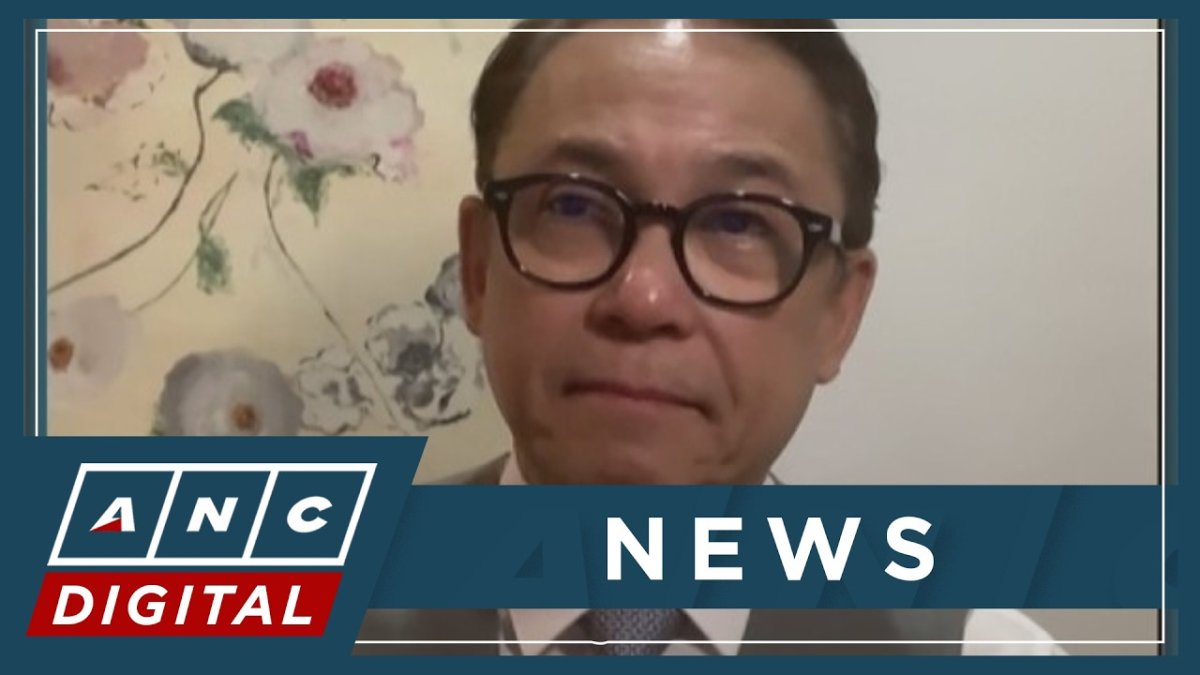 ]
]
Defense Expert Weighs In on Conviction Threshold
Atty. Tranquil Salvador III, who served as a defense lawyer during the 2012 impeachment trial of Chief Justice Renato Corona, shared expectations for the July 6 opening. He addressed the ongoing debate over the Senate conviction threshold required under the Constitution. His experience with high-profile trials supplies context on how evidentiary rulings and witness credibility assessments typically shape outcomes in such cases.
Salvador’s remarks, aired on ANC 24/7 Headstart, highlighted procedural parallels between the Corona trial and the current matter involving the vice president from Davao. Legal analysts in Manila note that the threshold discussion could determine whether a two-thirds Senate vote becomes the decisive factor. Students in DepEd classrooms in Cebu study these constitutional requirements as part of their civics lessons, gaining direct insight into accountability mechanisms that govern national leaders.
Historic First: A Vice President on Trial
This marks the first impeachment trial of a sitting vice president in Philippine history. The House vote of 215-306 in February 2026 forwarded the articles to the Senate, which will open proceedings to the public. Senate leaders have signaled interest in a shorter trial duration while the Senate President maintains order over evidentiary matters. The case draws intense attention from political observers in Quezon City and Davao alike.
The historic nature underscores evolving standards of accountability for the second-highest office in the land. Previous impeachments involved presidents and a chief justice, yet none targeted a vice president still in office. Political stability during the trial period influences investment decisions in Cebu export zones and farming communities in Mindanao, where daily economic activity depends on predictable governance.
Impact on Ordinary Filipinos
Families across barangays watch how this reshapes trust in public officials at every level. OFWs sending remittances from abroad, jeepney drivers navigating Manila traffic, sari-sari store owners in Quezon City neighborhoods, and farmers in Davao provinces all feel the ripple effects through policy continuity and budget execution. Students learn about constitutional accountability in DepEd classrooms nationwide, connecting classroom lessons to real-time Senate proceedings.
Political stability during the trial directly affects national budget releases that fund local roads in Cebu and irrigation systems in rural Mindanao. When institutions demonstrate transparent processes, communities gain reassurance that public funds reach intended beneficiaries rather than becoming entangled in prolonged disputes. The outcome may also shape voter sentiment ahead of the 2027 midterm elections, influencing choices made by ordinary citizens in every province.
What to Watch For
Key elements include prosecution witnesses and evidence presentation once the trial opens on July 6, 2026. Defense strategy and arguments will test the strength of the articles approved by the House. The Senate President’s rulings on evidentiary matters will set precedents for future cases. Public reaction and civil society monitoring groups in Manila and Davao will track fairness throughout the proceedings.
Implications for the 2027 midterm elections remain a central concern, as the trial timeline could affect candidate positioning across the country. Observers will also follow the overall duration to assess whether the Senate meets its goal of an efficient process. These developments carry weight for families who depend on steady governance for jobs, education, and community services.
The coming weeks will test the Senate’s capacity to balance thorough examination with timely resolution while millions of Filipinos follow the proceedings for signs of strengthened democratic safeguards. The trial’s conduct will influence how future leaders approach public trust and how communities from Manila to Davao evaluate institutional performance in the years ahead.
By Bella Reyes, Staff Writer
This article was produced with AI-assisted research and editorial support. Reporting is based on sources cited in the article.
What's Your Reaction?
 Like
0
Like
0
 Dislike
0
Dislike
0
 Love
0
Love
0
 Funny
0
Funny
0
 Wow
0
Wow
0
 Sad
0
Sad
0
 Angry
0
Angry
0

Philippines/Southeast Asia Correspondent at Global1.News. Manila-based journalist covering Philippine politics, environment, maritime security, and social issues. Passionate about marine conservation and the communities protecting the Philippines' natural heritage.











Comments (0)