
VP Duterte Defense, House Prosecution Submit Pre-Trial Briefs to Senate Impeachment Court
In a recent ANC 24/7 report from The World Tonight on June 15, 2026, the formal submission of pre-trial briefs by both the House prosecution panel and Vice President Sara Duterte's defense team marked a critical step in the impeachment proceedings before the Senate. The developments center on Manila's Senate halls, where all 24 senators will serve as judges under Senate Preside
In a recent ANC 24/7 report from The World Tonight on June 15, 2026, the formal submission of pre-trial briefs by both the House prosecution panel and Vice President Sara Duterte's defense team marked a critical step in the impeachment proceedings before the Senate. The developments center on Manila's Senate halls, where all 24 senators will serve as judges under Senate President Francis Escudero. This process directly touches the lives of families in Quezon City barangays and Davao communities who rely on stable governance for their daily needs.
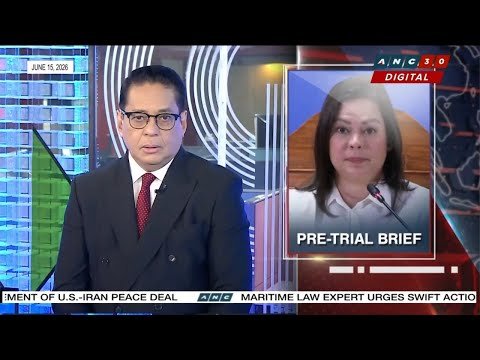
The Submission of Pre-Trial Briefs
Both sides delivered their pre-trial briefs to the Senate impeachment court on June 15 and 16, 2026. The House prosecution panel, led by Batangas 2nd District Representative Jinky Luistro, filed its documents outlining the case against Vice President Sara Duterte. On the following day, defense lawyer Michael Poa submitted the response on behalf of the Vice President. These filings occurred in the Senate building in Manila, setting the stage for the full trial that affects public trust in institutions across the country.
The submissions include detailed arguments that will shape how the proceedings unfold for ordinary citizens. Families in Cebu and Baguio watch closely because the outcome could influence budget allocations handled by the Department of Budget and Management for local projects. The concrete exchange of briefs ensures both sides prepare thoroughly rather than leaving issues unresolved for communities dependent on transparent leadership.
The Pre-Trial Process Ahead
The pre-trial conference runs from June 18 to June 25, 2026, before the full Senate sitting as an impeachment court. During these sessions, the parties will stipulate facts, simplify issues, mark evidence, and set trial dates. Senate President Francis Escudero will preside over the 24 senator-judges in the historic chamber in Manila. This structured approach prevents delays that could disrupt government services relied upon by farmers in Davao and students in public schools under DepEd.
These steps matter for jeepney drivers and sari-sari store owners in Quezon City who need predictable policies. The pre-trial phase allows the court to organize evidence efficiently, including new materials on undeclared properties and SALN omissions. By clarifying these elements early, the process protects the interests of OFWs sending remittances home, ensuring the focus remains on accountability rather than procedural confusion.
The Prosecution's Case
The House prosecution panel under Representative Jinky Luistro has prepared more than 30 witnesses for the trial proper set to begin on July 6, 2026. Some witness identities remain withheld for security reasons, reflecting the serious nature of the allegations involving undeclared properties and SALN omissions. The panel's strategy centers on presenting concrete evidence that connects these issues to the Vice President's conduct while in office.
This case reaches beyond the Senate walls to affect daily life in Philippine communities. Workers in Manila factories and agricultural families in the provinces depend on leaders who file accurate SALNs, as these documents help prevent corruption that drains resources from health programs at the DOH. The prosecution's lineup of witnesses aims to establish a clear record that upholds the standards expected by voters in every barangay.
The Defense Strategy
Led by lawyer Michael Poa, the defense team for Vice President Sara Duterte focuses on challenging the prosecution's evidence during the pre-trial and trial phases. The team submitted its brief on June 16, 2026, and will participate in stipulating facts and marking exhibits before the 24 senator-judges. Their approach seeks to narrow the issues and ensure only relevant materials reach the full hearing starting July 6.
Defense preparations carry weight for families across the archipelago who value due process in political matters. In places like Cebu and Baguio, residents understand that strong legal representation maintains balance in the system, preventing any single branch from dominating. The strategy also addresses how allegations of SALN issues might be viewed in light of broader political dynamics that touch OFW households and local enterprises.

Political Implications for the Nation
The impeachment proceedings before Senate President Francis Escudero and the full Senate carry direct consequences for Philippine politics. With the pre-trial conference set for June 18 to 25, 2026, the handling of evidence on undeclared properties will test the strength of institutions like the Commission on Elections and the Supreme Court in related oversight roles. These developments influence how Congress and the Senate manage future accountability measures.
Political stability affects budget releases from the DBM that fund infrastructure in rural areas and support programs for students. Communities in Manila and Davao feel the ripple effects when high-level cases dominate national attention, sometimes shifting focus from immediate concerns like traffic management and public safety handled by the Philippine National Police. The trial timeline through July 2026 will shape voter perceptions ahead of upcoming electoral cycles.
Impact on Filipino Democracy
The impeachment court process reinforces the constitutional framework that protects democratic participation for all Filipinos. By requiring both the prosecution led by Representative Jinky Luistro and the defense under Michael Poa to submit briefs, the Senate ensures transparency that citizens in every province can follow. This openness strengthens the bayanihan spirit that binds communities from Quezon City to the provinces.
Democracy thrives when institutions like the Senate address allegations of SALN omissions through orderly procedures rather than street-level disputes. Families of OFWs and local workers benefit when the system prioritizes evidence over speculation, allowing focus on economic opportunities and cultural traditions such as Pasko celebrations. The proceedings highlight the role of the 24 senator-judges in safeguarding the rights of ordinary people against potential abuses of power.
What to Watch For
Observers should monitor the pre-trial conference outcomes from June 18 to 25, 2026, particularly how the parties handle the marking of new evidence on properties and SALNs. The start of the trial on July 6 will reveal the first witness testimonies from the prosecution's list of more than 30 individuals. Senate President Francis Escudero's management of the 24 senator-judges will set the tone for efficiency and fairness.
Filipinos in barangays nationwide can track how these steps influence public discourse and policy priorities in the months ahead. The human stories of families affected by governance decisions will continue to unfold alongside the legal developments in Manila. This period offers a chance for communities to engage with the democratic process through informed discussion and civic participation. By Bella Reyes, Staff Writer
This article was produced with AI-assisted research and editorial support. Reporting is based on sources cited in the article.
What's Your Reaction?
 Like
0
Like
0
 Dislike
0
Dislike
0
 Love
0
Love
0
 Funny
0
Funny
0
 Wow
0
Wow
0
 Sad
0
Sad
0
 Angry
0
Angry
0

Philippines/Southeast Asia Correspondent at Global1.News. Manila-based journalist covering Philippine politics, environment, maritime security, and social issues. Passionate about marine conservation and the communities protecting the Philippines' natural heritage.














Comments (0)