
Senate Subpoenas VP Sara Duterte Bank Records in Impeachment Trial
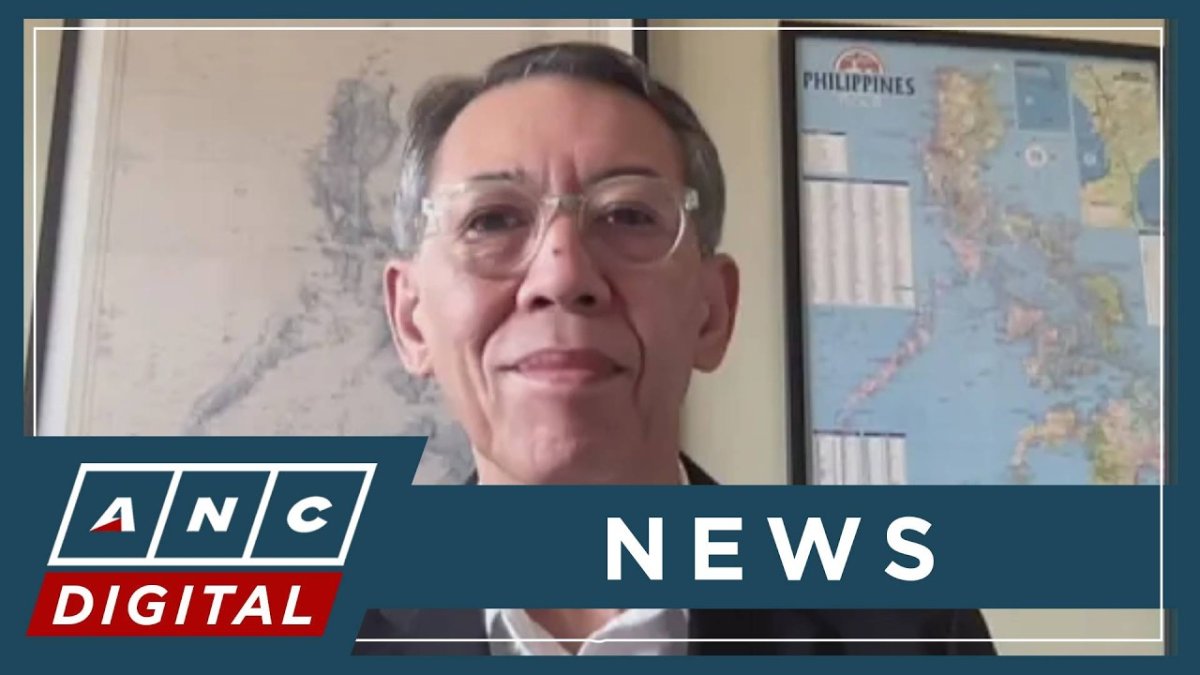
In the latest ANC 24/7 Headstart Recap episode, Rep. Chel Diokno of the Akbayan Party-list and a lead House prosecutor explained why President Ferdinand Marcos Jr.
In the latest ANC 24/7 Headstart Recap episode, Rep. Chel Diokno of the Akbayan Party-list and a lead House prosecutor explained why President Ferdinand Marcos Jr. could authorize the release of Vice President Sara Duterte's tax and bank records without it counting as interference in the ongoing impeachment trial at the Philippine Senate in Pasay City.
Senate Orders Subpoenas for VP Sara Duterte's Bank and Tax Records as Trial Enters Week 3
Manila, Philippines — The Philippine Senate impeachment court has issued subpoenas for Vice President Sara Duterte's bank accounts and Bureau of Internal Revenue tax records as the trial enters its third week at the Senate building in Pasay City. Presiding Officer Senator Francis Escudero overruled objections from the defense and directed six banks to turn over documents by July 30, 2026 at 9am. The records cover accounts at Metrobank, PSBank, BPI, Security Bank, LandBank, and BDO Unibank, along with Anti-Money Laundering Council reports.
Financial Records Tied to Unexplained Wealth Article
The subpoenas target the second article of impeachment that alleges unexplained wealth. Anti-corruption group Bantay Impeachment reported P6.7 billion in transactions flowing through accounts held by Duterte alone or jointly with her husband Manases Carpio. House prosecutors stated these figures far exceed her declared legal income as a public official. The records also include properties that prosecutors say Duterte failed to declare properly in her Statement of Assets, Liabilities and Net Worth filings.
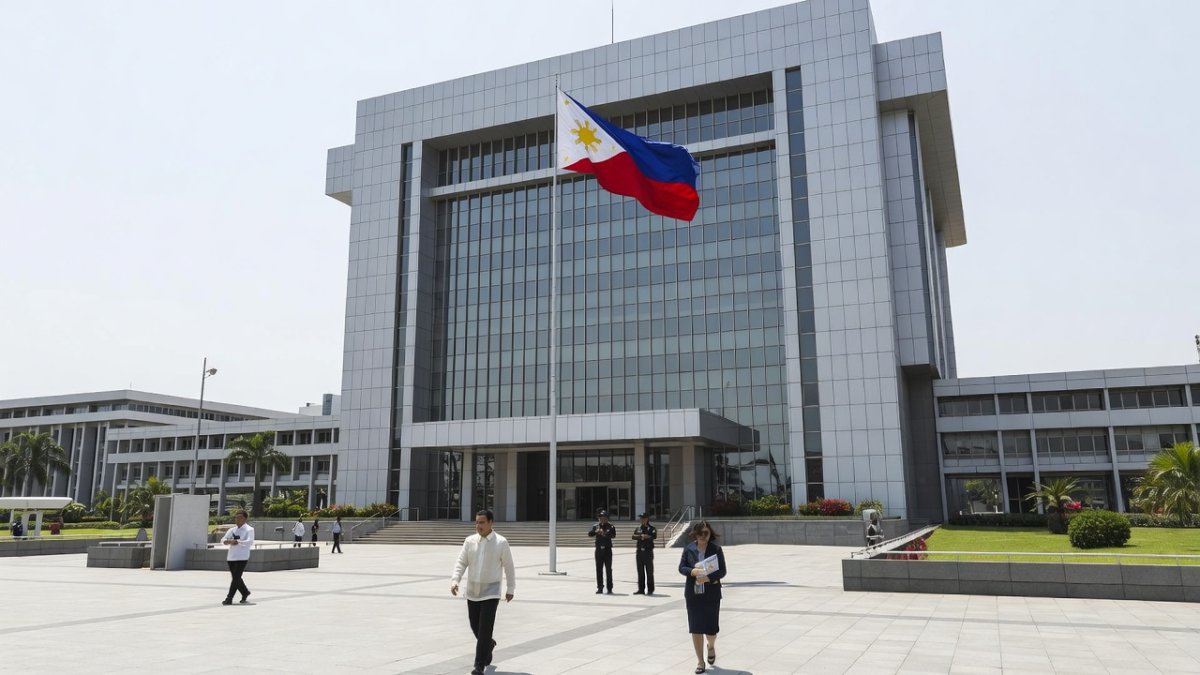
Escudero clarified that the subpoenas remain preliminary and procedural. He noted they do not yet authorize the use of tax records as evidence in open court. This distinction matters for the 110 million Filipinos who rely on the Senate to uphold the rule of law without overstepping constitutional boundaries.
The P6.7 billion in question represents a staggering sum that dwarfs the annual budgets of several Philippine provinces. Bantay Impeachment presented detailed findings showing discrepancies between declared assets and actual bank holdings, including records from BDO and Metrobank. These revelations came after months of scrutiny.
Under standard SALN rules, all public officials must annually declare real properties, personal properties, liabilities, and business interests with exact values and sources. Senate President Francis Escudero ruled that the impeachment court could subpoena the 19 corporate entities linked to the accounts, overriding objections by citing the need for transparency. The Carpio law firm accounts were specifically flagged in the subpoena as potential conduits for undeclared funds.
Economically, P6.7 billion could fund thousands of classrooms or health centers in regions like Mindanao, where poverty rates remain above 25 percent according to Philippine Statistics Authority data. Civil society groups in the Visayas have called for full disclosure to restore public trust in governance institutions.
Defense Objects as Senators Cayetano and Padilla Voice Concerns
Defense counsel argued that the subpoenas would usurp the authority of the Bureau of Internal Revenue. Senators Alan Peter Cayetano, Pia Cayetano, and Robinhood Padilla expressed opposition during the proceedings. Atty. Michael Poa for the defense maintained that evidence exists showing Duterte did not issue threats against President Marcos Jr. Atty. Amando Ligutan countered that Duterte's own admission of contracting an assassin stands as strong evidence on the grave threats article.
These exchanges unfold while ordinary citizens in barangays from Quezon City to Davao watch how institutions balance power. Families who send OFWs abroad count on leaders to protect public funds rather than shield personal accounts from scrutiny.
Defense lawyers argued that the BIR lacks authority to release tax records directly to the impeachment court without a separate court order, claiming this violates separation of powers under the 1987 Constitution. They cited Article XI provisions limiting impeachment grounds to culpable violation of the Constitution and betrayal of public trust. Senators Alan Peter Cayetano and Robinhood Padilla expressed concerns that unchecked access to financial data could set a precedent eroding privacy rights for all officials.
Senator Alan Peter Cayetano specifically noted during the hearing that the BIR's role should remain administrative rather than judicial, while Senator Robinhood Padilla questioned the timing of the evidence submission. Escudero overruled the objections by referencing Senate Impeachment Rules Section 10, which grants the court broad subpoena powers once articles of impeachment are filed. This ruling emphasized that the impeachment process operates as a constitutional body independent of regular courts.
NBI Task Force Investigates Continuing Threat
NBI Director Melvin Matibag testified before the impeachment court that the bureau created a special task force in April 2026 to handle the threat. The National Bureau of Investigation continues to treat remarks from Duterte's October 18 and November 23, 2024 press conferences as an active assassination plot against President Marcos Jr. Prosecution panel member Rep. Gerville Luistro highlighted how these statements form part of the grave threats and betrayal of public trust articles.
Matibag told senators the threat remains ongoing. This development reaches beyond Pasay City and touches communities in Cebu and Mindanao where political violence has historically disrupted daily life and local economies.
On the October 18, 2024 press conference, Duterte spoke about wanting to cut off the president's head. On November 23, 2024, she claimed she had instructed someone to kill Marcos, the first lady, and the House speaker should she herself be assassinated. The NBI concluded the remarks go beyond "political rhetoric" and represent what Matibag described as a "serious, active and continuing" assassination plot.
The investigation also examines whether there was coordination with Davao City Mayor Sebastian Duterte, whose public remarks also referenced the president's "head." NBI investigators are determining whether the siblings' statements were coordinated. The security costs for the Senate have increased significantly as a result.
How the Trial Affects Everyday Filipino Families
The impeachment proceedings center on whether a sitting vice president can face accountability for alleged unexplained wealth and threats against the president. The P6.7 billion in bank activity raises serious questions about how public resources are managed at the highest levels. When such sums appear in private accounts, the impact lands on sari-sari store owners, tricycle drivers, and teachers who pay taxes expecting those funds to support schools and hospitals.
Rep. Chel Diokno stressed in the ANC 24/7 discussion that allowing access to records follows legal procedure and does not equate to executive overreach. His position aligns with the bayanihan spirit that calls on leaders to place transparency above personal privilege.
The trial's proceedings directly influence family decisions on remittances, as OFWs from provinces like Pangasinan and Batangas worry about political instability affecting the peso and job security abroad. With remittances reaching $36 billion annually per Bangko Sentral ng Pilipinas data, any erosion of trust in institutions could have broad economic consequences. Families across the archipelago view the trial as a test of whether justice applies equally to the powerful.
Trust in government institutions has declined in recent Social Weather Stations surveys, partly attributed to high-profile cases like this one. Ordinary Filipinos in Metro Manila and rural areas alike express hope that the trial will deliver accountability regardless of the respondent's position.
What Comes Next in the Senate
The Senate continues to hear testimony in Pasay City as prosecutors present evidence on multiple articles. Banks must comply with the July 30, 2026 deadline to submit financial documents. The Anti-Money Laundering Council stands ready to supply supporting reports.
After the evidence submission deadline, the Senate Impeachment Court will proceed to formal hearings where witnesses including BIR officials and bank representatives may testify under oath. Duterte faces charges including culpable violation of the Constitution through undeclared wealth and betrayal of public trust. Conviction requires 16 out of 24 senator-judges to vote affirmatively, a threshold last met in the 2012 impeachment of former Chief Justice Renato Corona.
The timeline projects initial witness presentations through the coming weeks, followed by cross-examinations and closing arguments. Senate President Francis Escudero has scheduled plenary sessions to ensure all 24 members participate. Legal experts note that failure to secure 16 votes would result in acquittal, but the proceedings themselves have already placed a spotlight on questions of accountability at the highest levels of Philippine governance.
Filipinos across the archipelago understand that the outcome will influence how future officials handle public office. The trial tests whether institutions can deliver justice without fear or favor, a principle that resonates in every barangay assembly and every family discussion about honest governance.
By Bella Reyes, Staff Writer
This article was produced with AI-assisted research and editorial support. Reporting is based on sources cited in the article.
What's Your Reaction?
 Like
0
Like
0
 Dislike
0
Dislike
0
 Love
0
Love
0
 Funny
0
Funny
0
 Wow
0
Wow
0
 Sad
0
Sad
0
 Angry
0
Angry
0

Philippines/Southeast Asia Correspondent at Global1.News. Manila-based journalist covering Philippine politics, environment, maritime security, and social issues. Passionate about marine conservation and the communities protecting the Philippines' natural heritage.













Comments (0)