
Venezuela Twin Earthquakes: Death Toll Reaches 1,430, Thousands Missing
The twin earthquakes that slammed into Venezuela on June 24 ripped through Caracas and the coastal state of La Guaira with back-to-back fury, leaving a trail of flattened buildings and shattered lives that grows worse by the hour. Folks, this is not some distant headline — this is raw devastation unfolding in real time, with the death toll already climbing past 1,430 and tens o
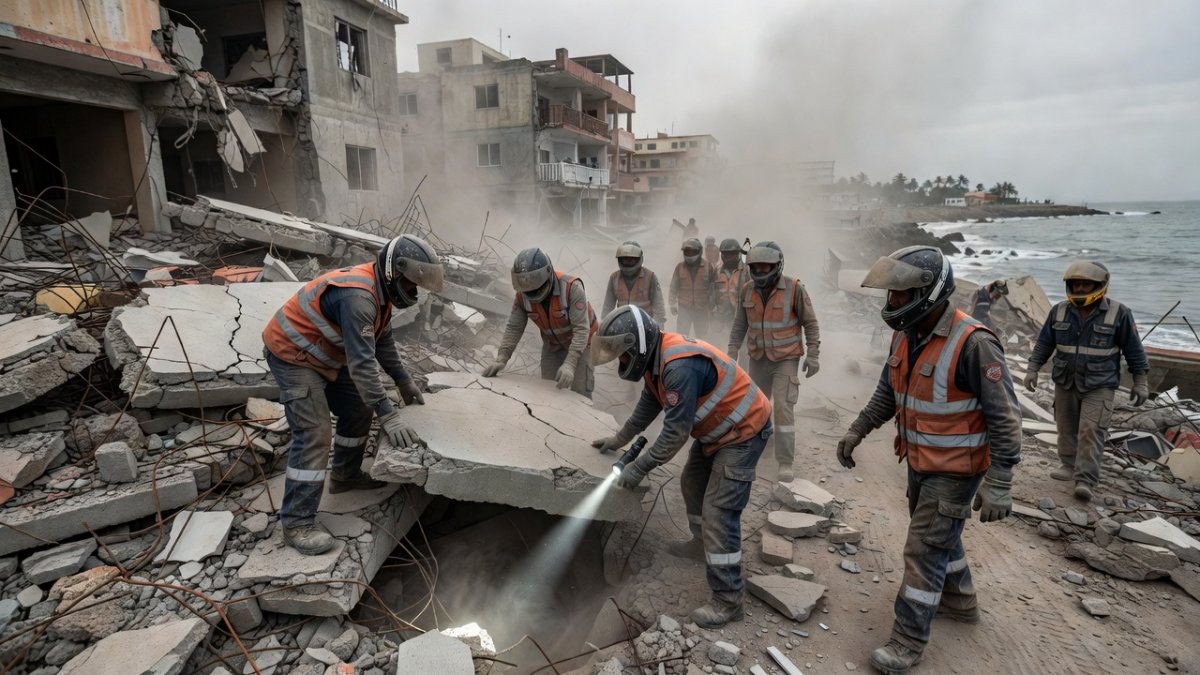
The twin earthquakes that slammed into Venezuela on June 24 ripped through Caracas and the coastal state of La Guaira with back-to-back fury, leaving a trail of flattened buildings and shattered lives that grows worse by the hour. Folks, this is not some distant headline — this is raw devastation unfolding in real time, with the death toll already climbing past 1,430 and tens of thousands still unaccounted for.
The Disaster
The twin quakes struck Venezuela on Wednesday June 24, hammering Caracas and the coastal state of La Guaira with successive shocks that brought down structures across both areas. By Saturday June 27 the picture had turned desperate, with families physically blocking an excavator from leaving a site after state workers paused to snap selfies at flattened buildings before driving off. The heat baked the rubble while chaos spread through neighborhoods where volunteers in motorcycle helmets dug by hand.
The Death Toll
Folks, the numbers hit like a second quake — 1,430 confirmed dead, 68,900 missing, and 3,360 injured, with bodies loaded onto white trucks from hospital parking lots in grim, endless lines. Volunteers wearing motorcycle helmets as makeshift hard hats claw through concrete and twisted rebar under a punishing sun that turns the air thick with the stench of decomposition. Every hour that passes without answers leaves 68,900 families trapped in a nightmare of waiting, their phones clutched tight for any scrap of news that might mean their loved ones survived the collapse. The scale defies comprehension — entire apartment blocks reduced to dust, hospitals overwhelmed, and morgues running out of space as the death toll climbs without mercy. This is not abstract statistics; these are mothers, fathers, and children erased in seconds, their final moments swallowed by falling walls while the rest of us watch from afar.
Rescue Operations
Seventeen flights carrying more than 1,600 rescue team members have landed in the hardest-hit zones, joined by 14,000 military and police personnel scrambling to reach trapped survivors. Yet the critical 72-hour survival window is slamming shut fast, and every minute counts as civilians dig by hand alongside international crews using whatever tools they can scavenge. The clock ticks louder with each aftershock, threatening to bury whatever faint signs of life still flicker beneath the rubble. Teams from abroad bring specialized equipment and fresh energy, but local volunteers — many wearing nothing more than motorcycle helmets for protection — refuse to wait, hauling debris one stone at a time in desperate searches for signs of movement or sound.
Government Response Under Fire
AP reports reveal state workers took selfies at flattened buildings then simply left, sparking outrage that cuts deeper than the aftershocks themselves. Families blocked an excavator in fury after workers paused for photos instead of digging, exposing a response more focused on optics than action. Yeison Marcano put it plainly: "They came to eat arepas and take pictures... They didn't even get their uniforms dirty." Mileidy Romero described scenes that haunt anyone listening — "Pile of bodies... newborn babies... people alive at 8 p.m. and they haven't bothered to rescue them." Photo ops have clearly taken priority over rescue, leaving survivors and grieving families to confront government neglect that feels as crushing as the collapsed concrete.
Stories from the Rubble
Omar Guariato was celebrating his granddaughter's fifth birthday when the quakes hit, turning joy into rubble in an instant as the world collapsed around his family. Moises Calzadilla, just 11 years old, was pulled alive after three harrowing days beneath the debris, a fragile spark of hope amid the darkness. Newborns remain trapped under collapsed structures, their tiny cries silenced or still echoing in the minds of those who heard them before the silence fell. These human faces cut through the statistics, reminding everyone that each number represents a life interrupted without warning. Volunteers recount moments of raw emotion — a hand reaching out from the wreckage, a voice calling for help that fades too soon — that fuel their determination even as fatigue sets in.
The Bottom Line
This disaster exposed every crack in the system, from delayed response to outright neglect that turned tragedy into something far worse. The 72-hour window has closed, shifting focus to recovery and the long fight to locate the missing before hope evaporates entirely. What comes next depends on sustained access to affected areas and a commitment to transparency that has been missing so far. Folks, demand answers from those in power, support relief organizations on the ground with proven track records, and contact your representatives to push for real accountability and aid that reaches the people who need it most.
By Jessica Ali, Lead Anchor — Global 1 News
This article was produced with AI-assisted research and editorial support. Reporting is based on sources cited in the article.
What's Your Reaction?
 Like
0
Like
0
 Dislike
0
Dislike
0
 Love
0
Love
0
 Funny
0
Funny
0
 Wow
0
Wow
0
 Sad
0
Sad
0
 Angry
0
Angry
0

Editor-in-Chief at Global1.News. Atlanta-based journalist who cuts through the BS and tells it like it is. Lead anchor, host, and the voice you hear when the spin stops and the truth starts.












Comments (0)