
Iran-US Strikes Escalate: Gulf Allies Targeted Amid Oil Spike
Escalating Military Exchanges Between Iran and the United States Iran launched fresh attacks on U.S. Gulf allies on Saturday after a seventh consecutive night of U.S. strikes on Iranian military targets, including logistics infrastructure. The Revolutionary Guard stated it hit a U.S. military support center at Camp Arifjan and destroyed a radar facility at Ali Al Salem Air Base in Kuwait.
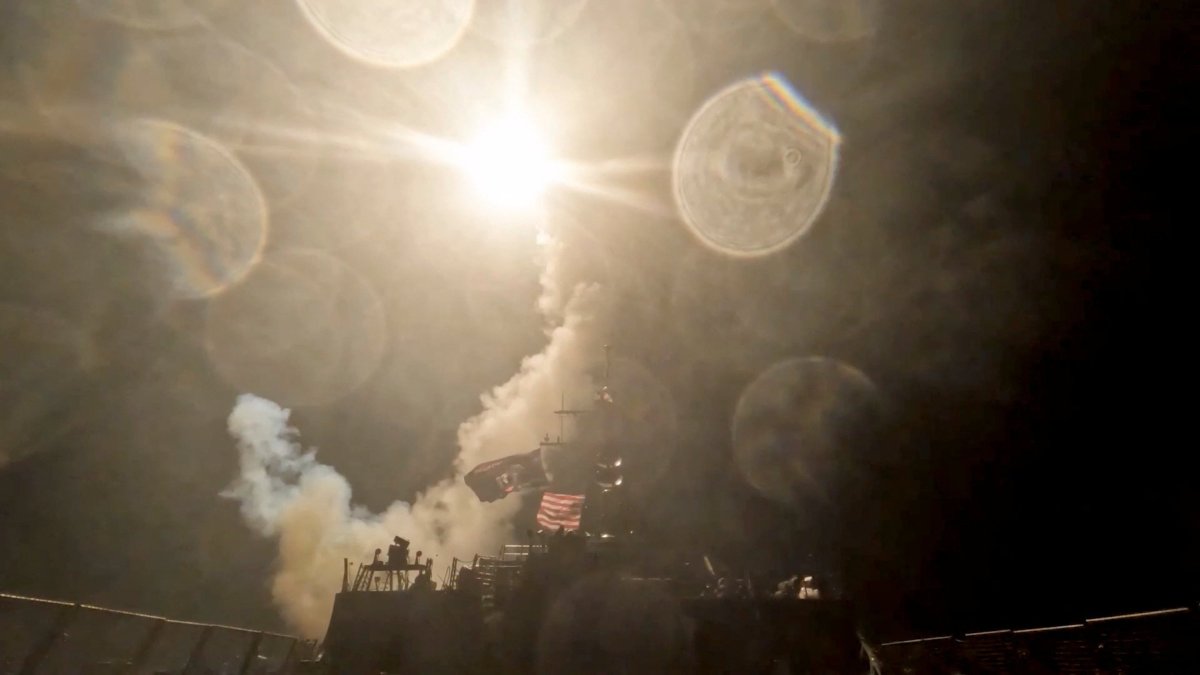
Escalating Military Exchanges Between Iran and the United States
Iran launched fresh attacks on U.S. Gulf allies on Saturday after a seventh consecutive night of U.S. strikes on Iranian military targets, including logistics infrastructure. The Revolutionary Guard stated it hit a U.S. military support center at Camp Arifjan and destroyed a radar facility at Ali Al Salem Air Base in Kuwait. Iranian state media also reported that the Revolutionary Guard targeted a site housing U.S. combat aircraft at Sheikh Isa Air Base in Bahrain, along with an intelligence data center. Reuters could not independently verify the reports.
The 2020 Soleimani strike marked a pivotal escalation in U.S.-Iran tensions, setting the stage for the current tit-for-tat exchanges that intensified in 2024 with reciprocal missile barrages across the Gulf. Previous Strait of Hormuz crises, such as the 1980s Tanker War, underscore how naval confrontations have repeatedly threatened global energy routes, a pattern now repeating amid renewed hostilities.
Kuwait and Bahrain are navigating this crisis by quietly reinforcing U.S. basing agreements while urging restraint through backchannel diplomacy, whereas the UAE and Saudi Arabia balance economic diversification goals with heightened air defense coordination to mitigate spillover risks from Iranian strikes.
Strait of Hormuz closure scenarios could halve daily oil flows, prompting OPEC+ to release strategic reserves in coordination with Saudi Arabia and the UAE, though global price impacts might surge beyond $120 per barrel if prolonged disruptions materialize.
Attacks on Kuwait and Bahrain's Critical Infrastructure
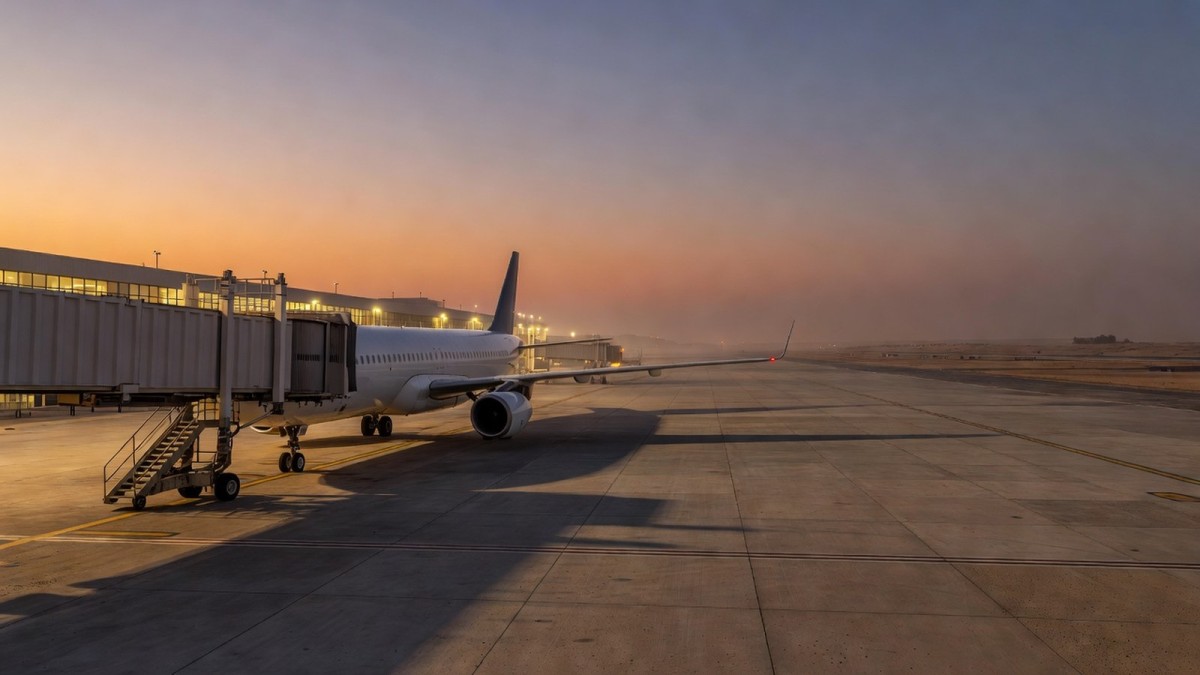
Kuwait faced sustained missile and drone attacks that struck a desalination plant and forced the suspension of operations at Kuwait International Airport. A power generation and water desalination plant in Kuwait was hit in an Iranian attack, the country's Ministry of Electricity, Water and Renewable Energy said in a statement. It was the second attack on Kuwaiti desalination facilities in two days. Iranian state media reported strikes on Sheikh Isa Air Base in Bahrain as part of the Revolutionary Guard's operations against U.S. positions.
Historical precedents from the 2020 Soleimani aftermath reveal how Gulf states absorbed indirect blows, while 2024 exchanges have accelerated similar infrastructure targeting, echoing earlier Hormuz crises where civilian facilities faced collateral threats.
The UAE and Saudi Arabia are hedging by accelerating GCC joint defense initiatives, with Kuwait and Bahrain seeking Qatari mediation to de-escalate without alienating Washington.
Energy analysts warn that Hormuz blockades would force OPEC+ production hikes from non-Gulf members, yet sustained spikes could destabilize global markets already strained by prior volatility.
Under Geneva Conventions, deliberate strikes on desalination plants raise war crimes concerns, as such civilian infrastructure protections prohibit attacks causing disproportionate harm to non-combatants.
Disruptions to Global Energy Supplies
On Friday, both sides targeted shipping traffic. The United States said it was enforcing a naval blockade, while Iran said it targeted vessels that violated its rules for navigating the Strait of Hormuz, the vital waterway through which about one-fifth of the world's oil supply passes. Oil prices climbed more than 4% on Friday to their highest level in more than a month. Such moves risk provoking Iran into attacking critical infrastructure in vulnerable Gulf states or prompting its allies in Yemen to further disrupt global energy supplies by attacking shipping in the Red Sea.
Drawing from 2020 Soleimani dynamics and 2024 exchanges, these disruptions mirror past Hormuz crises where Iranian threats to close the strait repeatedly rattled markets, highlighting enduring vulnerabilities in energy transit.
Saudi Arabia and the UAE are pivoting toward alternative export routes via pipelines, while Kuwait and Bahrain lobby for GCC-led energy security pacts to buffer against Iranian proxy actions.
OPEC+ responses may include coordinated output adjustments, but full Hormuz closure scenarios project oil prices exceeding $150, amplifying inflationary pressures worldwide.
Proxy dynamics involving Ansar Allah in Yemen could extend Red Sea attacks, compounding energy supply strains beyond the Gulf theater.
Civilian Casualties and Infrastructure Damage
Civilian infrastructure has increasingly come under attack despite concerns about potential war crimes. Iranian media reported that several missiles struck power facilities and desalination pumps in the southern city of Jask on Saturday, citing a local official. About 10,000 people in 20 villages were left without water, according to the Tasnim news agency. Iranian media reported strikes early Saturday in Hormozgan province along the Strait of Hormuz. State television said three people were killed and eight were wounded, while two bridges and a road tunnel were damaged. A day earlier, Iranian state media said U.S. strikes hit at least five bridges in the south. Seven people were reported killed in attacks on bridges in the southern port of Bandar Khamir, where a train station was also hit. An airport was also reported hit farther east in Iranshahr.
The 2020 Soleimani strike and subsequent 2024 tit-for-tat cycles have repeatedly endangered civilian zones, building on earlier Hormuz crises where infrastructure damage displaced populations and violated norms.
Gulf states like Bahrain and Kuwait are documenting damages for potential international appeals, as Saudi Arabia and the UAE push for UN monitoring to shield their own borders.
War crimes concerns intensify under Geneva Conventions, which explicitly ban targeting civilian water and power systems without military necessity, potentially exposing both sides to accountability mechanisms.
Diplomatic avenues through the UN Security Council could address these violations, with Turkish and Qatari roles facilitating indirect talks to avert further escalation.
Strategic Objectives of Washington and Tehran
Washington and Tehran have been testing the limits of escalation since their ceasefire agreement collapsed last week, raising the prospect of a return to all-out war. Trump has threatened broad airstrikes on Iran's infrastructure and has declined to rule out a ground assault on Iran's coast or islands. U.S. officials said attacks on southern Iran are designed in part to give Trump additional military options. The Revolutionary Guard said in a statement: "Since there is no international institution to prevent the savagery of the U.S. military, we have no path before us except the Quranic command: 'Whoever attacks you, attack it in the same manner,'" warning U.S. allies in the region to expect more strikes. U.S. Central Command said it concluded its seventh consecutive day of strikes by targeting Iranian surveillance sites, military logistics infrastructure, underground weapons storage facilities and maritime capabilities.
Rooted in the 2020 Soleimani assassination and evolving through 2024 exchanges, these objectives reflect cycles seen in prior Hormuz standoffs, where deterrence signaling often blurred into broader conflict.
The UAE and Saudi Arabia are recalibrating alliances to avoid entrapment, while Kuwait and Bahrain prioritize U.S. security guarantees amid Iranian warnings.
Proxy dynamics with Hezbollah and Iraqi Popular Mobilization Forces could widen the theater, forcing Washington to weigh multi-front responses.
UN Security Council interventions and GCC mediation remain viable, bolstered by Qatari and Turkish diplomatic channels seeking ceasefires.
Broader Regional Ramifications
U.N. Secretary-General Antonio Guterres is concerned about the escalating conflict, particularly "attacks on civilian infrastructure in Iran and across the region," his spokesperson said Friday. The conflict connects to longstanding Sunni-Shia geopolitical competition and Iran's regional proxy networks. Attacks on southern Iran risk prompting further responses from Iranian allies, while U.S. actions aim to pressure Tehran amid Gulf state economic vulnerabilities. The involvement of locations such as the Strait of Hormuz directly affects energy markets and OPEC+ diplomacy, with potential second-order effects on regional alliances and stability involving actors like Saudi Arabia and the UAE.
Historical echoes from the Soleimani era and 2024 exchanges illustrate how Sunni-Shia rivalries fuel proxy entanglements, reminiscent of Hormuz crises that reshaped Gulf alignments.
Saudi Arabia and the UAE are strengthening Abraham Accords ties for leverage, as Kuwait and Bahrain navigate neutrality to preserve economic ties with Iran.
Energy market fallout from Hormuz threats could realign OPEC+ strategies, with global price surges pressuring import-dependent economies across Asia and Europe.
International Reactions and Concerns
The collapse of the fragile ceasefire one week ago has drawn attention from global powers, with risks of broader involvement from the United States, China, and Russia in the region. Continued targeting of shipping and infrastructure raises questions about enforcement of international norms, as both sides continue operations without clear de-escalation signals. The situation places additional political pressure on President Donald Trump ahead of the November midterm elections as Republicans seek to retain control of Congress.
Tracing back to 2020 Soleimani repercussions and 2024 patterns, these reactions parallel past Hormuz crises that drew in external powers seeking to stabilize energy flows.
Gulf perspectives show the UAE and Saudi Arabia courting Chinese investment for diversification, while Bahrain and Kuwait appeal for GCC unity against proxy threats from Ansar Allah and Hezbollah.
Diplomatic avenues via the UN Security Council, augmented by Turkish and Qatari efforts, offer pathways to enforce Geneva Conventions and curb infrastructure targeting.
By Malik Hassan, Staff Writer
This article was produced with AI-assisted research and editorial support. Reporting is based on sources cited in the article.
What's Your Reaction?
 Like
0
Like
0
 Dislike
0
Dislike
0
 Love
0
Love
0
 Funny
0
Funny
0
 Wow
0
Wow
0
 Sad
0
Sad
0
 Angry
0
Angry
0

Middle East Correspondent at Global1.News. Based in Beirut, covering politics, conflict, energy, and society across the Middle East. Brings context and depth to a region often reduced to headlines.












Comments (0)