
Atlantic Music Expo 2026: Cape Verde's Musical Heritage Takes Center Stage in Praia
Cape Verde's Atlantic Music Expo celebrated its 12th edition in April 2026, bringing together musicians from across the Atlantic basin. The gathering highlighted the archipelago's deep musical roots in Praia while linking Cape Verdean sounds to wider African and diaspora traditions through shared rhythms and stories. Atlantic Music Expo 2026: Cape Verde's Musical Heritage Takes
Cape Verde's Atlantic Music Expo celebrated its 12th edition in April 2026, bringing together musicians from across the Atlantic basin. The gathering highlighted the archipelago's deep musical roots in Praia while linking Cape Verdean sounds to wider African and diaspora traditions through shared rhythms and stories.
Atlantic Music Expo 2026: Cape Verde's Musical Heritage Takes Center Stage in Praia
Praia, Cabo Verde — April 2026 marked another milestone for the Atlantic Music Expo (AME) as its 12th edition transformed the Cape Verdean capital into a vibrant showcase of musical talent from across the Atlantic world. For four days, Praia pulsed with the rhythms of morna, funaná, coladeira, Afrobeat, and jazz, as established stars and emerging artists shared stages and forged connections that will shape the region's music industry for years to come. Here is a complete look at what made this year's edition so special.
The 12th Edition: A Showcase of Atlantic Soundscapes
The Atlantic Music Expo 12th edition took place April 6-9, 2026 in Praia, Cape Verde at the Palácio da Cultura Ildo Lobo with multiple venues across the city hosting events. Daytime showcases known as daycases allowed professionals to discover new talent while evening performances drew large public crowds to experience live sets.
The event combined professional panels, trade fair, networking, and artist showcases making it both an industry gathering and a cultural celebration. Cape Verde's music genres including morna, funaná, coladeira, and batuku featured prominently alongside performances by African and Atlantic diaspora artists.
AME aims to internationalize Cape Verdean music and connect artists to global markets through targeted industry sessions. The festival runs alongside the Kriol Jazz Festival in Praia creating a continuous program of music and exchange that benefits local audiences and visitors alike.
Portuguese remains the official language while Cape Verdean Creole known as Kriolu serves as the national language spoken daily in the streets of Praia. Cape Verde gained independence from Portugal in 1975 and has since built its identity around cultural expression that resonates far beyond its shores.
The country is strategically positioned as a cultural bridge between Africa, Europe, and the Americas allowing AME to draw participants from multiple continents. The event's ambition is to make Cape Verdean music a global force in the music industry by creating direct pathways for artists.
Local media described the artistic quality as high and the overall atmosphere as successful with strong attendance throughout the four days. This dual focus on trade and celebration sets AME apart from purely commercial festivals.
Cape Verdean Stars Shine Bright
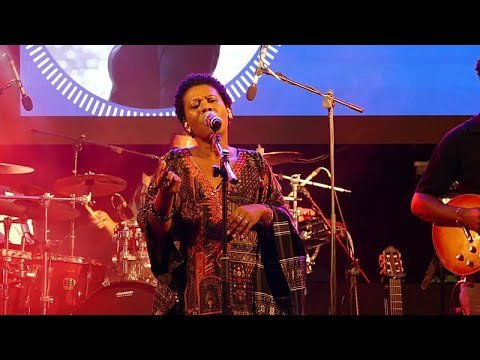
Fidju Kitxora delivered the closing performance that energized the Praia audience with high-energy rhythms that kept crowds dancing late into the night. The set showcased the vibrant energy of contemporary Cape Verdean music rooted in traditional forms.
Princezito performed as a well-known Cape Verdean artist bringing his signature style to the main stage at the Palácio da Cultura Ildo Lobo. Patche Di Rima, Ineida Moniz, and Voginha also performed emphasizing cultural roots through lyrics and instrumentation drawn from everyday life in the islands.
Alberto Koenig and Candida Rose were among the lineup delivering sets that blended classic morna elements with modern arrangements. Their performances highlighted the continuity of Cape Verdean musical traditions across different generations of artists.
The debut of 16-year-old pianist, composer and singer Alicia Freitas performing her original repertoire for the first time at a major festival marked a breakthrough moment. Her appearance signaled the emergence of fresh talent ready to carry Cape Verdean sounds forward.
The depth of Cape Verde's musical talent across generations became clear as veteran performers shared bills with newcomers like Alicia Freitas. This mix created an atmosphere of mentorship and renewal that strengthened the local scene.
Cape Verde is a small archipelago nation of approximately 500,000 people yet it consistently produces artists who reach international stages. The festival provided a platform where this talent could shine without leaving home.
International Voices Across the Atlantic
Senegalese artist Zale Seck performed blending griot traditions with sabar drums, guitar, and dance in a set that connected West African musical heritage directly to the Cape Verdean context. His presence underscored the shared rhythms between Senegal and the islands.
Canadian singer Aiza known from Netflix and Canadian stages brought a North American voice to the program with soulful delivery that resonated with local audiences. Brazilian artist Allan Massay represented South America adding samba-infused elements to the Atlantic mix.
AME serves as a crossroads where musicians from Portuguese-speaking Africa, Brazil, Europe, and North America meet and collaborate on new projects. The Atlantic basin functions as a musical highway carrying sounds and stories in both directions.
The event promotes artists from Africa, Europe, South America, and North America creating opportunities for cross-cultural partnerships that extend beyond the festival dates. These encounters often lead to joint tours and recordings in the following months.
Zale Seck's performance in particular reminded Senegalese listeners of the deep cultural ties between Dakar and Praia through music and migration. Such exchanges strengthen bonds across the region and open doors for future collaborations.
The festival was well-attended with strong local and international performances that filled venues each evening. This turnout demonstrated the growing appeal of Atlantic-focused events in Cape Verde.
Cape Verde's Musical Heritage: From Morna to Modernity
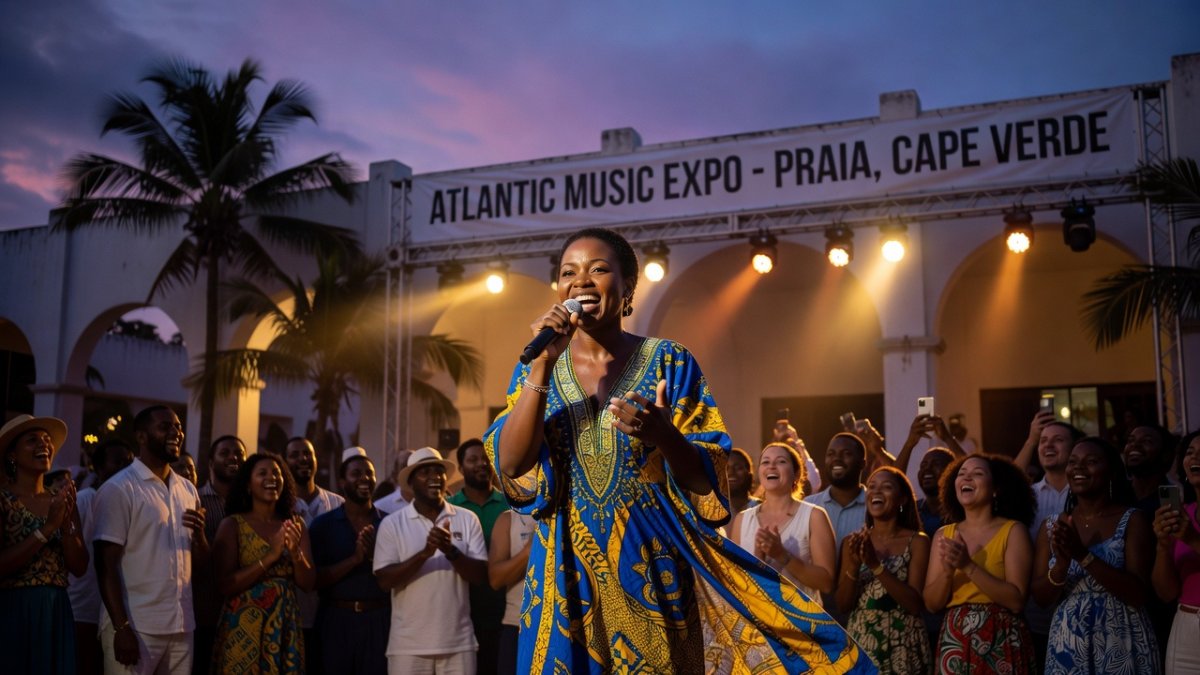
Cape Verde's unique musical heritage rests on the legacy of Cesária Évora the barefoot diva who made morna famous worldwide through her global tours and recordings. Her influence continues to shape how the world perceives Cape Verdean music.
The distinct genres of the archipelago include morna the soulful melancholic genre, funaná the upbeat accordion-driven dance music, coladeira the lively satirical style, and batuku the rhythmic call-and-response tradition. Contemporary Cape Verdean artists blend these traditions with Afrobeat, hip-hop, jazz, and electronic music to reach new listeners.
The Kriol Jazz Festival's symbiotic relationship with AME allows both events to share audiences and infrastructure in Praia. This partnership maximizes resources for a nation with limited venues and budgets.
Why Cape Verde despite its small population and limited resources produces disproportionately influential music lies in its history of migration and cultural mixing. Artists draw from Portuguese, African, and Brazilian sources to create sounds that travel easily across borders.
AME helps Cape Verdean artists access international touring and distribution opportunities through dedicated industry sessions. Panels on music export and digital platforms give practical tools to emerging acts.
Music tourism is a growing economic sector for Cape Verde as visitors arrive specifically for events like AME and the Kriol Jazz Festival. This influx supports local hotels, restaurants, and artisans during the festival period.
Economic Impact and Industry Growth
Cape Verde's Prime Minister highlighted AME's role in promoting the country internationally during official remarks at the opening ceremony. The statement underscored government recognition of culture as a diplomatic and economic asset.
The trade fair had mixed exhibitor feedback with positive sales for some and organizational criticisms for others reflecting the growing pains of a maturing industry event. Organizers noted these comments for improvements in future editions.
The professional development aspect included panels on music export, international touring, digital distribution, and intellectual property rights. These sessions equipped Cape Verdean artists with knowledge needed to navigate global markets.
AME helps Cape Verdean artists access international touring and distribution opportunities by connecting them directly with labels, promoters, and agents from abroad. Several deals were reported in the weeks following the event.
The economic value of music tourism for the archipelago nation continues to rise as festivals like AME attract visitors who spend on accommodations and local services. This revenue supports broader development goals in a country with few natural resources.
Local media described the artistic quality as high and the overall atmosphere as successful which helped attract additional sponsorship interest for the following year. Sustained growth depends on balancing these commercial and cultural elements.
Looking Ahead: AME 2027 and Beyond
Organizers had already opened artist registrations for the 2027 edition by mid-June 2026 signaling confidence in the event's trajectory. Early submissions indicated strong interest from both returning and new participants.
The ambition to further internationalize Cape Verdean music remains central to planning with new partnerships under discussion with European and African festivals. These links aim to create year-round touring circuits for island artists.
Challenges facing the event include organizational growing pains and the need for more consistent exhibitor experience while balancing professional trade elements with public cultural celebration. Feedback from this year's trade fair will guide adjustments.
Opportunities arise from Cape Verde's strategic position as a cultural bridge between Africa, Europe, and the Americas which allows AME to host diverse lineups without extensive travel costs for many participants. This geography gives the festival a natural advantage.
The importance of sustained government and private sector support for cultural events like AME cannot be overstated as funding gaps could limit expansion. Continued investment will determine whether the event reaches its full potential.
What Africa's creative sector can learn from Cape Verde's cultural diplomacy model is the value of consistent small-scale festivals that prioritize artist development over spectacle. Such approaches build lasting infrastructure rather than one-off events.
Why This Matters for African Music
The broader significance of AME for the African continent lies in its creation of infrastructure for African artists to reach global audiences through targeted networking and showcases. Events like this reduce reliance on European or American gatekeepers.
The importance of intra-African cultural exchange became evident when Senegalese artists performed in Cape Verde and Cape Verdean artists discussed tours across the continent. These connections build regional solidarity in the music industry.
Music export as an economic development strategy offers African nations an alternative to resource extraction by leveraging creative talent. Cape Verde demonstrates how small countries can compete through cultural exports.
The potential for more Atlantic-basin cultural partnerships that center African voices grows with each successful edition of AME. Such collaborations can shift global music flows away from traditional centers.
Cape Verde's model of using cultural festivals as tools for international diplomacy and soft power provides a template other nations can adapt. The approach combines economic goals with genuine artistic exchange.
What other African nations can learn from this approach is the power of consistent investment in music events that serve both local communities and international markets. Cape Verde shows results are possible even with modest resources when focus remains on artists and heritage.
By Amara Diop, Staff Writer
This article was produced with AI-assisted research and editorial support. Reporting is based on sources cited in the article.
What's Your Reaction?
 Like
0
Like
0
 Dislike
0
Dislike
0
 Love
0
Love
0
 Funny
0
Funny
0
 Wow
0
Wow
0
 Sad
0
Sad
0
 Angry
0
Angry
0

West Africa/Sahel Correspondent at Global1.News. Dakar-based journalist covering politics, security, climate, and development across Francophone and Anglophone West Africa. Tells the stories of a region undergoing profound transformation.











Comments (0)