
Venezuela Quakes: Mexico Topos Aid La Guaira Rescue
**Keywords:** Venezuela earthquake, La Guaira, Topos brigade, Mexico aid, twin earthquakes, rescue efforts, Sheinbaum solidarity, SEDENA Venezuela, Yaracuy state, survivor stories, international response, seismic preparedness, Mexican communities The Twin Earthquakes Strike Northwestern Venezuela In a recent DW News report titled "Venezuela earthquake: Hope in the rubble," resc
The Twin Earthquakes Strike Northwestern Venezuela
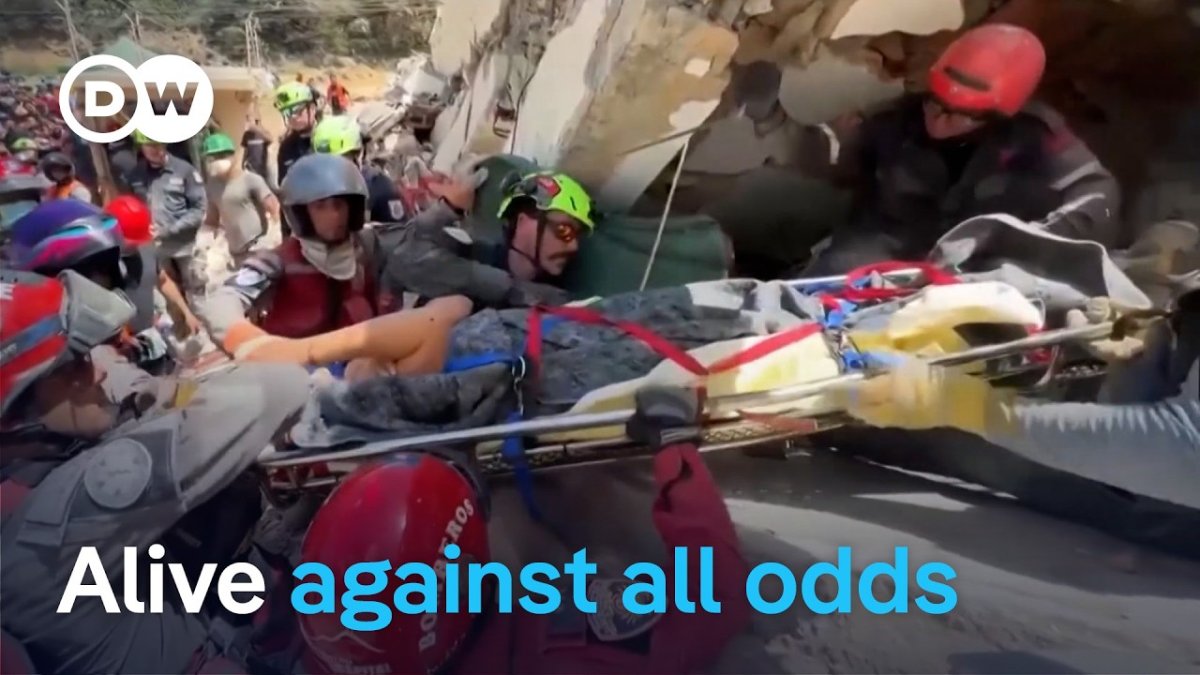
In a recent DW News report titled "Venezuela earthquake: Hope in the rubble," rescue teams are shown pulling survivors from collapsed structures in La Guaira, including dramatic footage of an 11-year-old boy extracted alive three days after the disaster. The June 24, 2026, events began with a magnitude 7.2 foreshock centered in Veroes Municipality west of San Felipe in Yaracuy state, followed 39 seconds later by the magnitude 7.5 mainshock. This rare doublet earthquake ranks among only 42 such events above magnitude 6 recorded globally in the past 120 years and marks the strongest tremors Venezuela has experienced in over a century.
The US Geological Survey issued red PAGER alerts for both quakes, signaling likely high casualties and economic losses. Over 862 aftershocks have continued to shake the region since the initial events, complicating every recovery step in affected states including Miranda, Carabobo, Falcón, and Aragua.
La Guaira Faces Total Neighborhood Collapse
The coastal city of La Guaira suffered the worst destruction, with entire neighborhoods reduced to rubble. Greater Caracas and surrounding areas also sustained heavy damage to homes, schools, and infrastructure. As of early July 2026, confirmed deaths stand at 2,954, with more than 16,000 injured and approximately 50,000 people still missing. These figures directly affect families in colonias who lost everything in seconds.
Local residents describe entire apartment blocks pancaking, leaving little space for air or movement. The scale of destruction echoes Mexico's own 1985 and 2017 earthquakes, creating immediate solidarity among Mexican viewers who recognize the same patterns of sudden loss in densely populated urban zones.
Rescue Operations Uncover Survivors Days Later
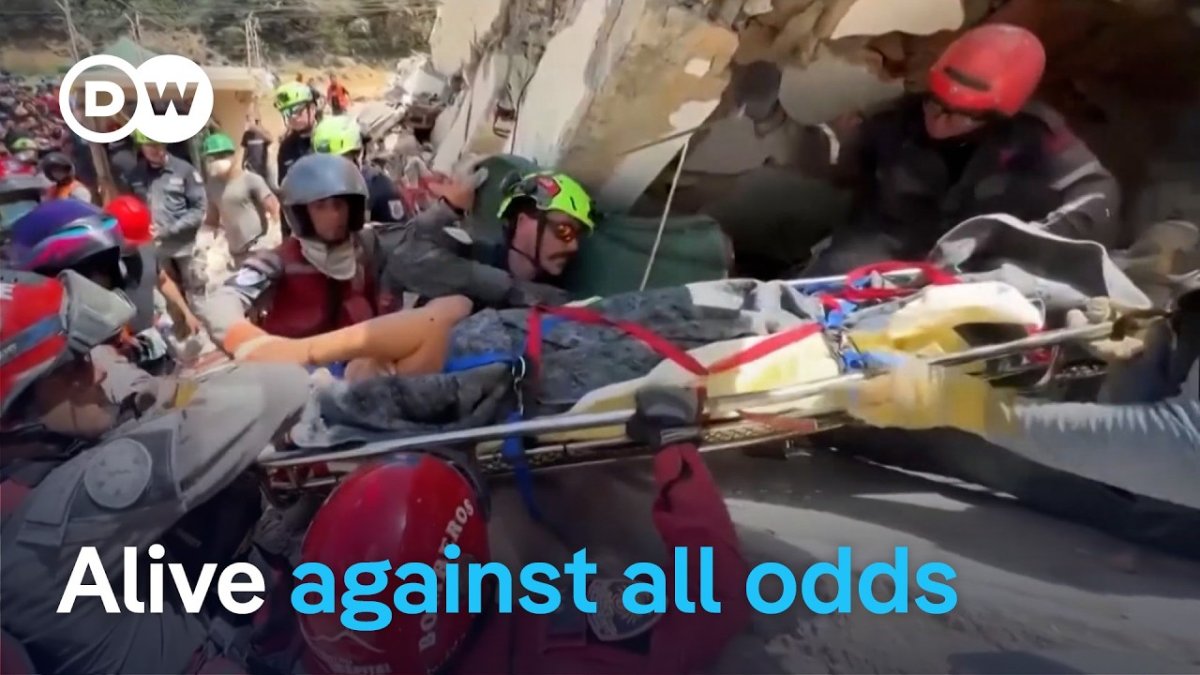
Nearly 30,000 rescue workers, including international teams, have combed through the debris. The DW News video captures the moment teams freed the 11-year-old boy from a collapsed apartment building in La Guaira and shows a toddler pulled alive six days after the quakes. Survivors recount spending multiple days trapped beneath concrete slabs, calling out until voices grew faint.
Rescue operations have begun shifting toward recovery as the window for finding additional live victims narrows. Families in La Guaira report that aid distributions remain uneven, with some colonias still waiting for water, food, and medical supplies days after the initial shocks.
Mexico's Topos Brigade Brings Specialized Expertise
Mexico's Brigada de Rescate Topos deployed immediately to Venezuela, continuing a tradition that includes the 1985 Mexico City earthquake, the 2017 Puebla quake, Haiti in 2010, and Turkey in 2023. SEDENA provided specialized search equipment and additional personnel to support the nearly 30,000 workers already on site. President Sheinbaum expressed solidarity from Palacio Nacional, emphasizing Mexico's shared seismic vulnerability with Venezuela.
IMSS and Cruz Roja Mexicana offered medical support expertise drawn from decades of domestic disaster response. Mexican communities in both countries organized fundraising campaigns that sent supplies directly to affected families in Yaracuy and La Guaira. CONEVAL disaster metrics are now being reviewed in Mexico City to identify lessons for communities along Mexico's own Pacific and central seismic zones.
International Pledges Arrive While Local Anger Grows
Canada committed $5 million in humanitarian aid, while the United States pledged $150 million, split between direct support for aid groups and a $100 million contribution to the UN humanitarian fund. The United Nations coordinated delivery of 10,000 body bags and other relief materials. Despite these commitments, residents in devastated neighborhoods of La Guaira and Greater Caracas voice frustration that supplies have not reached them quickly enough.
The slow pace of official distribution has sparked protests in several affected municipalities. Families who lost homes question why international teams arrived faster than some government-coordinated efforts, highlighting gaps between pledges and on-the-ground delivery in Yaracuy and coastal zones.
Survivor Accounts Reveal Days of Uncertainty
The 11-year-old boy rescued in La Guaira told responders he survived by staying near a small air pocket formed by fallen furniture. A toddler found six days later had been protected by collapsed beams that created a narrow cavity. These stories circulate through Mexican social media networks, where viewers draw parallels to the 2017 Mexico City rescues that also involved children pulled from rubble after extended periods.
Healthcare workers from IMSS note that many survivors face crush injuries and dehydration similar to cases treated after Mexico's past quakes. Rural and indigenous communities in the broader affected region face additional barriers reaching medical stations set up by international teams.
Shared Seismic Risks Prompt Reflection in Mexico
The Venezuela disaster resonates in Mexico because both nations sit on active fault systems and maintain large urban populations in vulnerable buildings. Mexican officials are studying how Venezuela's doublet sequence unfolded to improve early-warning protocols managed by Protección Civil. Communities in Oaxaca, Guerrero, and Mexico City have held vigils and collection drives that mirror the fundraising seen after domestic earthquakes.
Teachers and students in Mexican schools discuss the events during safety drills, reinforcing the importance of the "drop, cover, and hold on" guidance that saved lives in both countries. The presence of Los Topos on Venezuelan soil reinforces a long-standing bond of mutual assistance between the two nations.
Recovery Focus Shifts as Aftershocks Continue
With rescue operations winding down, attention turns to clearing debris and providing temporary shelter for tens of thousands displaced in La Guaira and surrounding states. The 50,000 still listed as missing leave families in limbo, unsure whether loved ones will be found in the rubble or among those who fled to higher ground. Mexican aid organizations continue coordinating with local groups to deliver tarps, water purification tablets, and medical kits to areas still cut off by damaged roads.
The human cost in Venezuela serves as a reminder for Mexican policymakers and ordinary citizens alike that preparation and rapid international cooperation remain essential when the ground moves without warning. Communities on both sides of the border watch the ongoing efforts in La Guaira with empathy born from shared experience. By Rosa Martinez, Staff Writer
This article was produced with AI-assisted research and editorial support. Reporting is based on sources cited in the article.
What's Your Reaction?
 Like
0
Like
0
 Dislike
0
Dislike
0
 Love
0
Love
0
 Funny
0
Funny
0
 Wow
0
Wow
0
 Sad
0
Sad
0
 Angry
0
Angry
0
Latin America/Andes Correspondent at Global1.News. Based in Bogota, covering politics, environment, energy, and social movements across the Andean region. Passionate about environmental journalism and communities protecting their land.














Comments (0)