
Venezuela Earthquakes Leave Nearly 3,000 Dead as Mexico's SEDENA Rescue Teams Join La Guaira Search
In a recent DW News report from the ground in Venezuela, correspondent Johan Ramirez walked through the shattered streets of La Guaira, where thousands remain missing eleven days after twin earthquakes devastated the coastal city. For Mexican families watching from home, the images of neighbors digging through collapsed concrete with bare hands carry a painful familiarity — a r
In a recent DW News report from the ground in Venezuela, correspondent Johan Ramirez walked through the shattered streets of La Guaira, where thousands remain missing eleven days after twin earthquakes devastated the coastal city. For Mexican families watching from home, the images of neighbors digging through collapsed concrete with bare hands carry a painful familiarity — a reminder that Latin America's seismic vulnerability binds communities across borders. As Mexico's own rescue teams join the international effort, the disaster has left nearly 3,000 dead and tens of thousands displaced in one of the region's worst earthquakes in decades.
Venezuela Earthquakes Leave Nearly 3,000 Dead as Mexico's SEDENA Rescue Teams Join La Guaira Search
Mexico City, Mexico – July 6, 2026 —
The Disaster: Twin Quakes Shatter Northern Venezuela
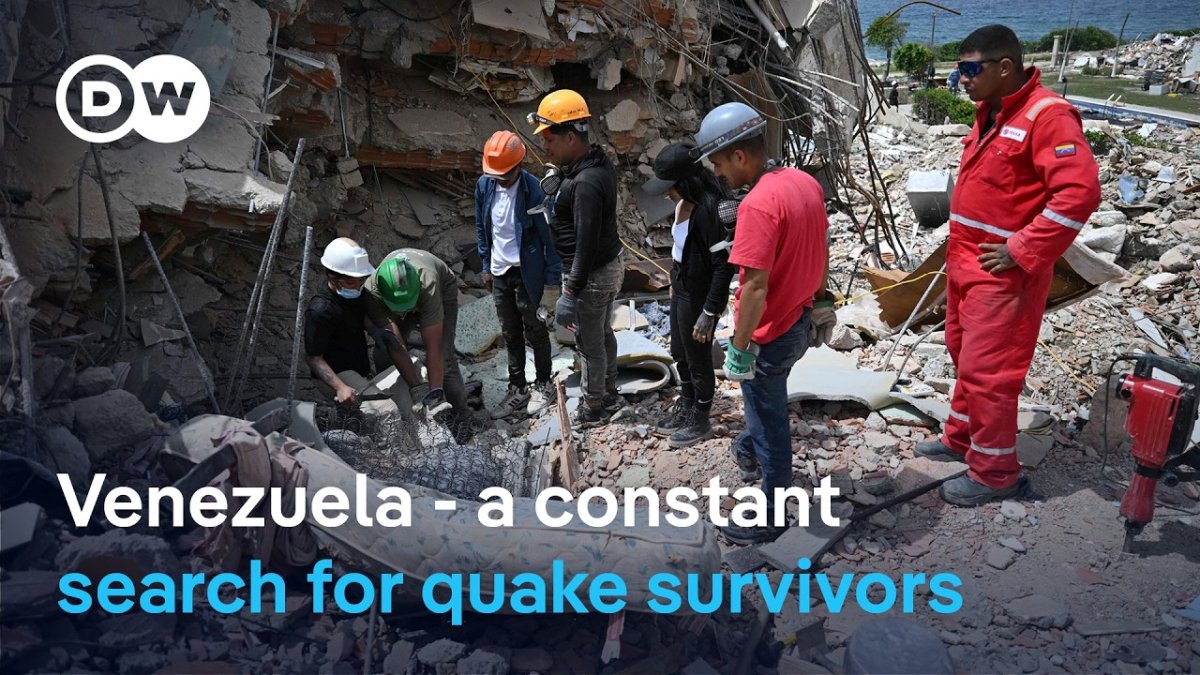
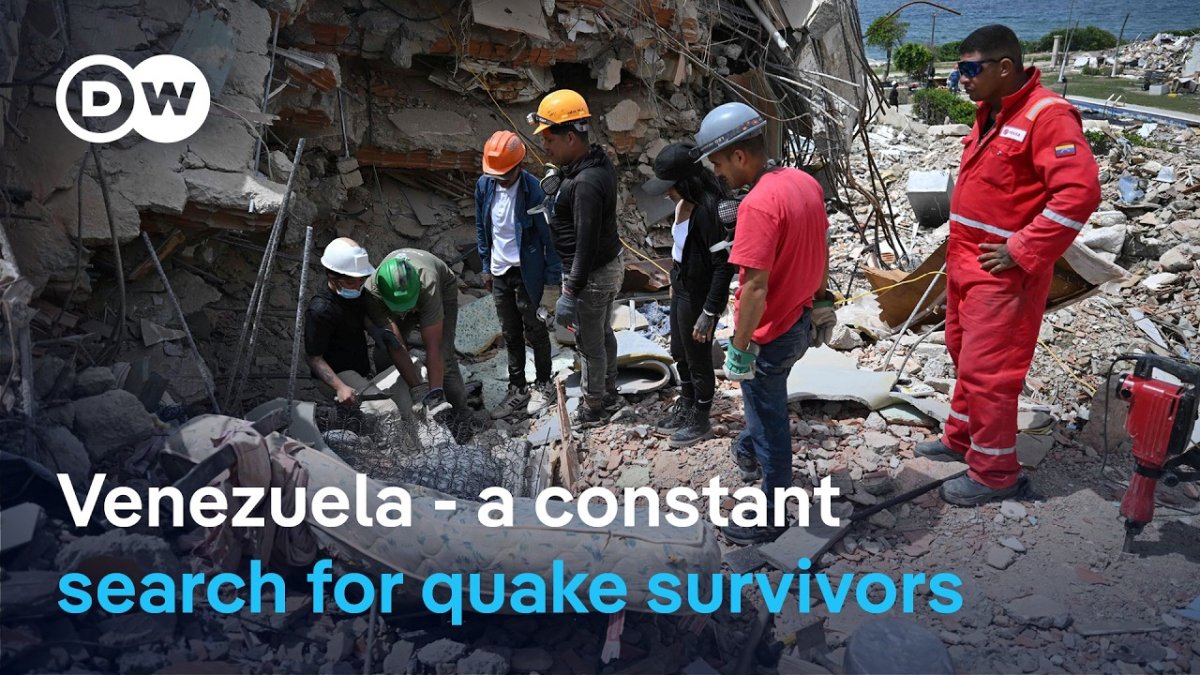
In a recent DW News report from July 5, 2026, correspondent Johan Ramirez stands amid the ruins of La Guaira describing the moment the ground split at 18:04 VET on June 24. A magnitude 7.2 foreshock struck first, followed 39 seconds later by the magnitude 7.5 mainshock centered in Veroes Municipality, Yaracuy state. The twin events left 2,954 people dead as of July 4, more than 16,000 injured, and tens of thousands missing across northern Venezuela.
Eight point six million people felt moderate to severe shaking that reached Caracas, Carabobo, Miranda, Aragua, and Yaracuy. The coastal port of La Guaira, just outside the capital, absorbed the heaviest damage because of its dense urban layout and proximity to the epicenter. Hospitals in the region quickly ran out of beds while morgues reached capacity within hours.
The Secretaría de la Defensa Nacional in Mexico immediately activated protocols modeled on its own earthquake response experience in Mexico City and Oaxaca. SEDENA dispatched the Yumare Humanitarian Aid Group, a specialized unit trained for collapsed-structure rescues, reflecting the same community-focused solidarity that Mexican families in colonias across the country recognize from past disasters at home.
La Guaira: A City Reduced to Rubble
Eleven days after the quakes, rescue teams in La Guaira began winding down operations as international crews prepared to depart. Johan Ramirez reported families still digging through concrete slabs with their bare hands, calling out names of missing relatives in the port district. The once-bustling harbor that serves Caracas now lies blocked by fallen warehouses and twisted shipping containers.
Thousands of residents sleep in makeshift camps along the waterfront because their homes collapsed. Local tianguis markets that normally sell fresh arepas and produce have vanished, replaced by distribution points run by the Guardia Nacional and arriving aid workers. The scene echoes the communal response Mexicans witnessed after major quakes in Puebla and Chiapas, where neighbors organized food lines and shelter.
Water and power remain sporadic. The state electrical company has yet to restore full service to the hardest-hit blocks, forcing families to cook over open fires in the same manner rural communities in Mexico’s ejidos manage after storms. Children in La Guaira now attend classes in tents provided by the United Nations Development Programme.
Mexico's Solidarity in Action
The Yumare team arrived within days carrying specialized listening devices and heavy-lift equipment. SEDENA personnel worked alongside Colombian, Spanish, and other international units to extract survivors from pancaked apartment buildings near La Guaira’s main avenue. Mexican soldiers trained in urban search-and-rescue shared techniques developed during operations following the 2017 earthquake in Mexico City.
Back home, families of the deployed troops in Monterrey and Guadalajara follow updates through official SEDENA channels. Many of these soldiers come from the same working-class colonias that regularly send remittances to relatives in Venezuela, creating a direct human link between the two nations. The mission reinforces Mexico’s long-standing policy of humanitarian engagement under the Sheinbaum administration, building on the AMLO legacy of regional cooperation.
Supplies including water purification units and field kitchens traveled from Mexican ports to La Guaira, coordinated through the Secretaría de Relaciones Exteriores. This effort demonstrates how Mexican institutions extend the same spirit of mutual aid that sustains rural communities during Día de Muertos gatherings and local festivals across the country.
Political Fallout and Government Response
Opposition leader María Corina Machado has used the disaster to press for her return to Venezuela, criticizing the Nicolás Maduro government’s slow distribution of emergency supplies. The Congreso de la Unión in Mexico watched these developments closely because any shift in Caracas affects energy cooperation and migration flows through the southern border states.
President Maduro’s administration faces accusations that relief supplies sat in warehouses while survivors waited. International observers from the UNDP noted coordination gaps that delayed medical shipments to overwhelmed facilities in Carabobo and Miranda. Mexican diplomats at the SRE have maintained quiet contact with both sides to keep humanitarian corridors open.
The political tension resonates in Mexican communities with large Venezuelan populations in Tijuana and Cancún. Families there worry that instability could increase irregular migration or strain social services already stretched by domestic needs in states such as Baja California and Quintana Roo.
The Human Toll on Venezuelan Families
More than 16,000 injured Venezuelans crowd hospitals where doctors work without adequate medicines. Morgues in La Guaira and Caracas turned away bodies after the first week, forcing families to hold private wakes in the open air. The emotional weight falls heaviest on mothers and grandparents who lost multiple relatives in the same building.
Survivors sheltering in camps share stories of children separated during the shaking. Teachers from local schools now volunteer in the tent classrooms, trying to restore routine for students whose textbooks lie buried under rubble. This mirrors the resilience Mexican educators showed when classrooms collapsed in Oaxaca and Chiapas.
Small business owners who ran taquerías and corner stores along La Guaira’s commercial strips have lost everything. Without insurance or government compensation, many face the same uncertain future that Mexican campesinos encounter after crop-destroying weather events in the Bajío region.
What to Watch For
Rescue operations are expected to conclude fully within days, shifting focus to long-term reconstruction. International teams will hand over rubble-clearing duties to Venezuelan authorities and remaining UNDP staff. Mexican SEDENA personnel plan to leave behind some equipment for local use.
Attention now turns to whether the Maduro government will accept broader international reconstruction funds or continue restricting access. Opposition figures including María Corina Machado continue pressing for political openings that could affect future aid deliveries.
Mexican readers should monitor how the Sheinbaum administration balances continued humanitarian support with domestic priorities. The response in La Guaira tests the strength of regional solidarity networks that connect families across the Caribbean and Central America, much as Mexican communities maintain ties during their own times of crisis.
By Rosa Martinez, Staff WriterThis article was produced with AI-assisted research and editorial support. Reporting is based on sources cited in the article.
What's Your Reaction?
 Like
0
Like
0
 Dislike
0
Dislike
0
 Love
0
Love
0
 Funny
0
Funny
0
 Wow
0
Wow
0
 Sad
0
Sad
0
 Angry
0
Angry
0
Latin America/Andes Correspondent at Global1.News. Based in Bogota, covering politics, environment, energy, and social movements across the Andean region. Passionate about environmental journalism and communities protecting their land.










Comments (0)