
Venezuela Earthquake: 2,295 Dead, Miraculous Rescues After Twin Quakes
The Scale of the Disaster Last week the twin earthquakes struck Venezuela on 24 June 2026, leaving an official death toll of 2,295 confirmed dead according to authorities. Tens of thousands remain missing, with UN figures placing the number of missing individuals above 50,000. Over 10,000 people sustained injuries in the widespread destruction that affected coastal and urban ar
The Scale of the Disaster
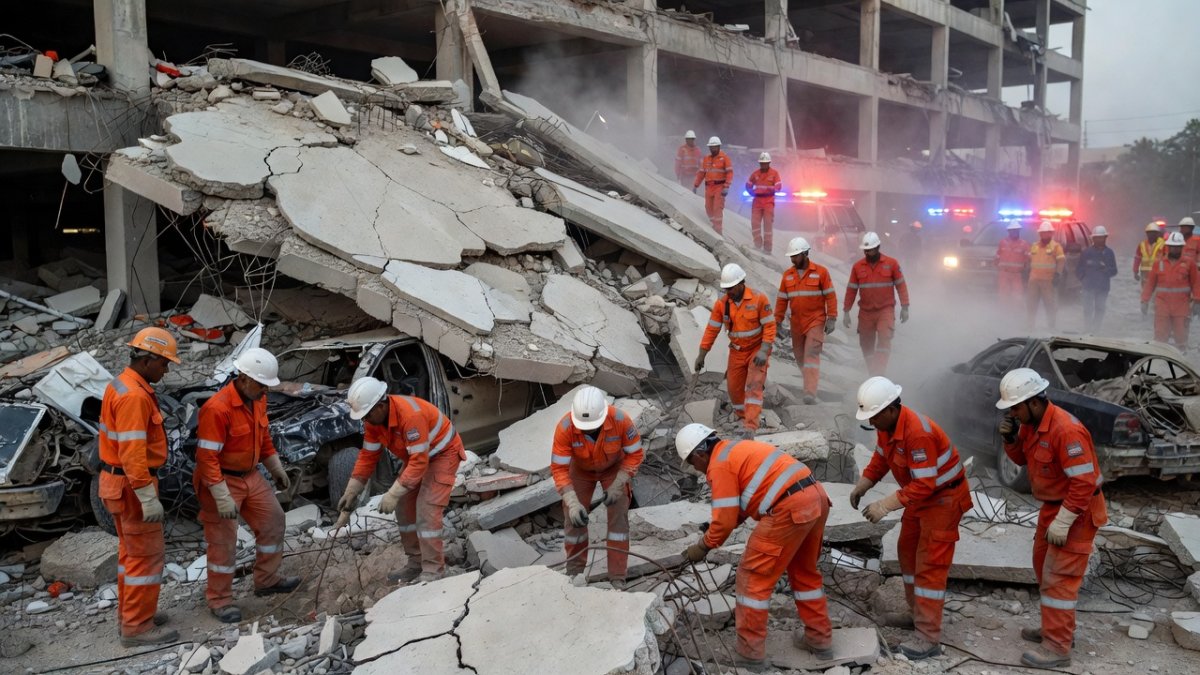
Last week the twin earthquakes struck Venezuela on 24 June 2026, leaving an official death toll of 2,295 confirmed dead according to authorities. Tens of thousands remain missing, with UN figures placing the number of missing individuals above 50,000. Over 10,000 people sustained injuries in the widespread destruction that affected coastal and urban areas including La Guaira and Catia La Mar.
The United Nations has begun procuring 10,000 body bags to manage the aftermath across Caracas morgues and temporary collection sites. These concrete facts underscore the immediate logistical demands placed on Venezuelan responders and international partners operating in the region.
The Remarkable Rescue of Hernán Gil
Hernán Gil, a security guard on duty in a small concrete booth in the basement of a parking lot adjacent to Galerias Playa Grande mall in Catia La Mar, survived when the twin quakes struck. The booth formed a protective shell around him beneath 140 tonnes of rubble, shielding him from fatal injury during the collapse.
Emergency workers from Venezuela, Chile, Costa Rica, El Salvador, Mexico, Portugal and the US collaborated to free him over more than 100 hours. Allan Madrigal, a paramedic with the Costa Rican Red Cross on his first international rescue mission, heard Gil's faint cries for help emerging from the rubble on Sunday, four days after the quake.
Parts of the access ducts collapsed several times during the operation, creating repeated technical setbacks. A Chilean firefighter described the effort as without doubt the most complex and technically difficult which he had ever tackled. Marco Antonio Franco from the Mexican Red Cross noted that Gil remained a cheerful man who even asked for hydration drinks of specific flavours he likes, and the team indulged those requests.
Before extraction Gil told rescuers how nice it was that they came back and stayed with him again. He does not even have a crushed nail, according to a Red Cross worker. Gil received water and was attached to an IV drip while the team worked. Madrigal later reflected that the lad who came here a week ago is not the same one that will return to Costa Rica.
Kleiber Moran's Survival After Six Days
Two-year-old Kleiber Moran was pulled from the rubble of his home in La Guaira state by Jordanian rescuers early Tuesday, six days after the quake. His aunt Andreína Sarmiento, 23, told the BBC she fell to the floor and wept when she heard the news of his survival.
Kleiber's mother Ana Luz, 31, and father Carlos remain missing. Sarmiento stated she would take care of Kleiber with a mother's warmth until her sister appears, which is what the family longs for. When they reunited Kleiber looked at her and said she Auntie.
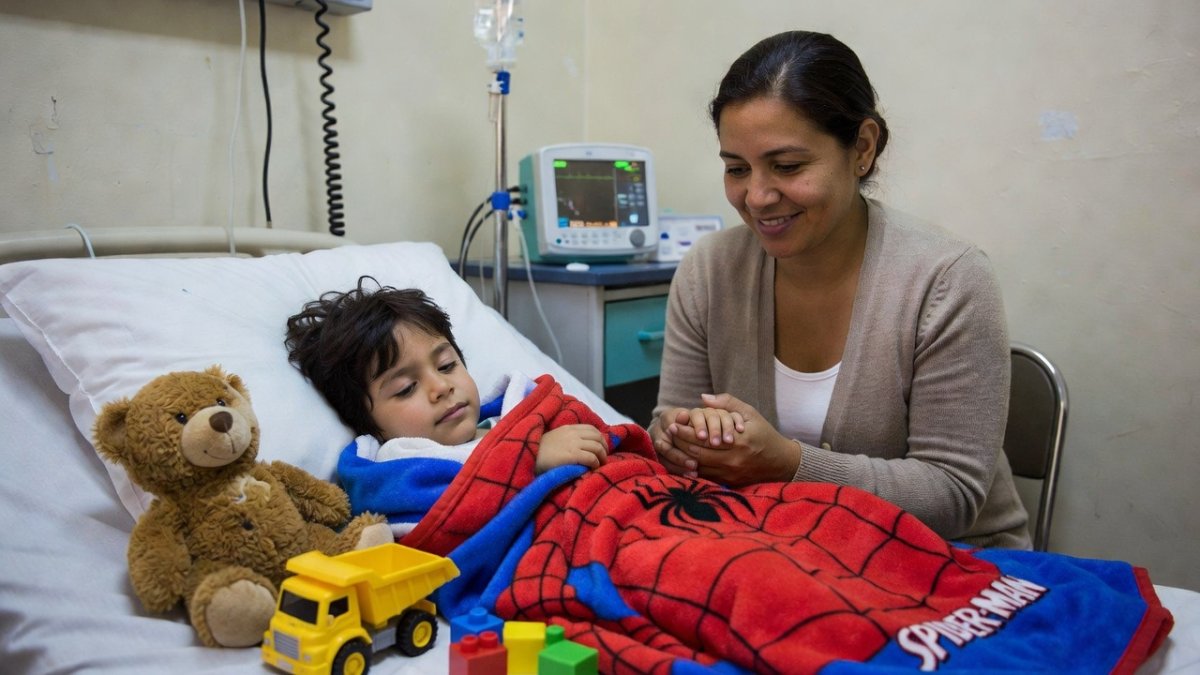
Kleiber arrived at hospital in a state of shock, screaming and screaming. He slept through the night and by Wednesday he had stabilised. Today he gives little kisses, talks, and tells where it hurts. He was wrapped in a Spiderman blanket, surrounded by toys, and pushed a small car around the bed.
Kleiber suffered not even a single fracture, just some scratches on his arms and legs. Venezuela's interim President Delcy Rodríguez described the rescue as a source of hope for our people amid the broader crisis affecting Latin American communities.
The Tragic Stories of Deportees on Flight 164
Abelardo Rincón, 23, had built a life for six years in the US state of Georgia, working in a car dealership, marrying, and expecting a daughter before US authorities detained him amid immigration enforcement actions. He was placed on Flight 164 alongside more than 140 other Venezuelans, including 19 women and 7 children, and landed on 24 June.
Rincón called family from a hotel near the coast in La Guaira hours before the twin quakes struck and destroyed Hotel Santuario La Llanada. He is now among those missing. His grandfather Jose Rincón viewed at least 200 bodies at a morgue in Caracas searching for him and tried unsuccessfully to visit the destroyed hotel site, where access was blocked by Venezuelan authorities who stated there was no life at the site.
Jose Rincón expressed frustration that days have gone by without finding his grandson alive or dead. A DHS spokesperson stated that this flight safely reached Venezuela and all illegal aliens on board were returned home, adding that when an individual is no longer in ICE custody, ICE is no longer responsible for them.
Darwin Eliecer Serrano Lopez, 35, called a cousin at 17:32 local time to say he had returned home after four years in the US. The first quake struck barely half an hour later. His cousin Paola Chacón noted that so many days have passed without answers, while his wife Mildrey Sarazo had not seen her husband in three years.
Daniel Alejandro Nunez, 28, also called his mother upon returning. His stepfather Jose Alejandro Abache told BBC Mundo that the family has searched for him in hospitals and morgues everywhere.
Coordinated International Rescue Operations
Teams from Venezuela, Chile, Costa Rica, El Salvador, Mexico, Portugal, Jordan, the UK and the US participated in the international rescue effort across affected zones in La Guaira and Catia La Mar. These multinational groups faced significant technical challenges including repeated collapses of access ducts that slowed progress toward trapped individuals.
The operation to reach Hernán Gil required more than 100 hours of careful work amid unstable structures. Jordanian rescuers successfully located Kleiber Moran after six days beneath rubble in La Guaira state. Venezuelan authorities coordinated site access while international personnel provided specialised equipment and expertise.
Rescuers navigated collapsed parking structures and residential buildings where concrete debris created confined spaces. The presence of teams from seven countries enabled round-the-clock shifts despite the difficult conditions in Caracas and surrounding coastal regions.
The Ongoing Humanitarian and Health Crisis
Hospitals across Caracas and La Guaira have become overwhelmed with the more than 10,000 injured individuals requiring treatment following the 24 June 2026 earthquakes. The UN procurement of 10,000 body bags reflects the scale of remains management now underway in multiple facilities.
Psychological trauma has affected survivors and families searching for missing relatives, including those like Andreína Sarmiento who must now care for young Kleiber Moran. The experiences of deportees from Flight 164 highlight additional layers of vulnerability for returning Venezuelans caught in the disaster.
This event carries direct implications for disaster preparedness across Latin America, where similar seismic risks exist in coastal urban centres. The successful extractions of Hernán Gil and Kleiber Moran demonstrate the value of rapid multinational coordination, yet the continued search for thousands missing underscores gaps that require sustained regional investment in early-warning systems and structural resilience.
Local responders in Catia La Mar and La Guaira continue operations alongside international partners, managing both immediate medical needs and longer-term recovery planning. The stories emerging from the rubble, from specific hydration requests during rescues to emotional family reunions, illustrate the human dimension of this crisis that extends beyond Venezuela's borders into broader Latin American communities.
By Elena Vasquez, Staff WriterThis article was produced with AI-assisted research and editorial support. Reporting is based on sources cited in the article.
What's Your Reaction?
 Like
1
Like
1
 Dislike
0
Dislike
0
 Love
0
Love
0
 Funny
0
Funny
0
 Wow
0
Wow
0
 Sad
0
Sad
0
 Angry
0
Angry
0

Latin America Correspondent at Global1.News. Based in Mexico City, covering politics, economics, energy, and culture across the region. Brings an on-the-ground perspective to stories spanning from the Rio Grande to Patagonia.












Comments (0)