
Venezuela Earthquake: Death Toll Surpasses 2,600
Death Toll Surpasses 2,600 as Identification Efforts Continue The twin earthquakes that struck Venezuela on 24 June have left a confirmed death toll of 2,595 as of Thursday evening with tens of thousands still missing. Families have spent days searching hospitals shelters and rubble piles across affected zones. The scale of the disaster has overwhelmed local services forcing in
Death Toll Surpasses 2,600 as Identification Efforts Continue
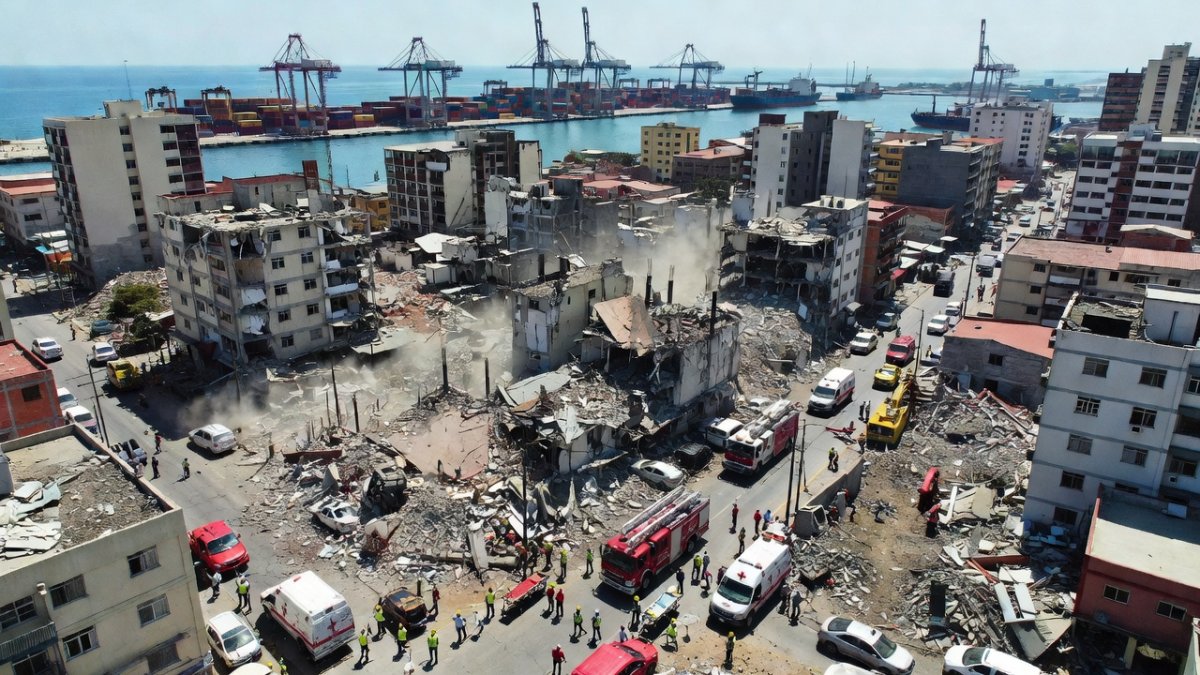
The twin earthquakes that struck Venezuela on 24 June have left a confirmed death toll of 2,595 as of Thursday evening with tens of thousands still missing. Families have spent days searching hospitals shelters and rubble piles across affected zones. The scale of the disaster has overwhelmed local services forcing institutions to improvise identification processes nine days after the tremors. Bodies have been placed outside or in temporary tents as officials work to recover and name victims. With the confirmed count at 2,595 and more victims still being recovered, the challenge extends beyond recovery to proper identification amid the chaos.
Anguished relatives many of whom have already visited multiple sites continue their searches in coastal areas such as Catia La Mar and Playa Grande. The overwhelmed local services mean that identification efforts rely on makeshift arrangements rather than established forensic systems. Families wait hours at facilities hoping to confirm the deaths of loved ones while the total missing remains in the tens of thousands. This ongoing effort highlights the immediate human cost of the 24 June events.
Inside the Makeshift Morgue at Los Silos
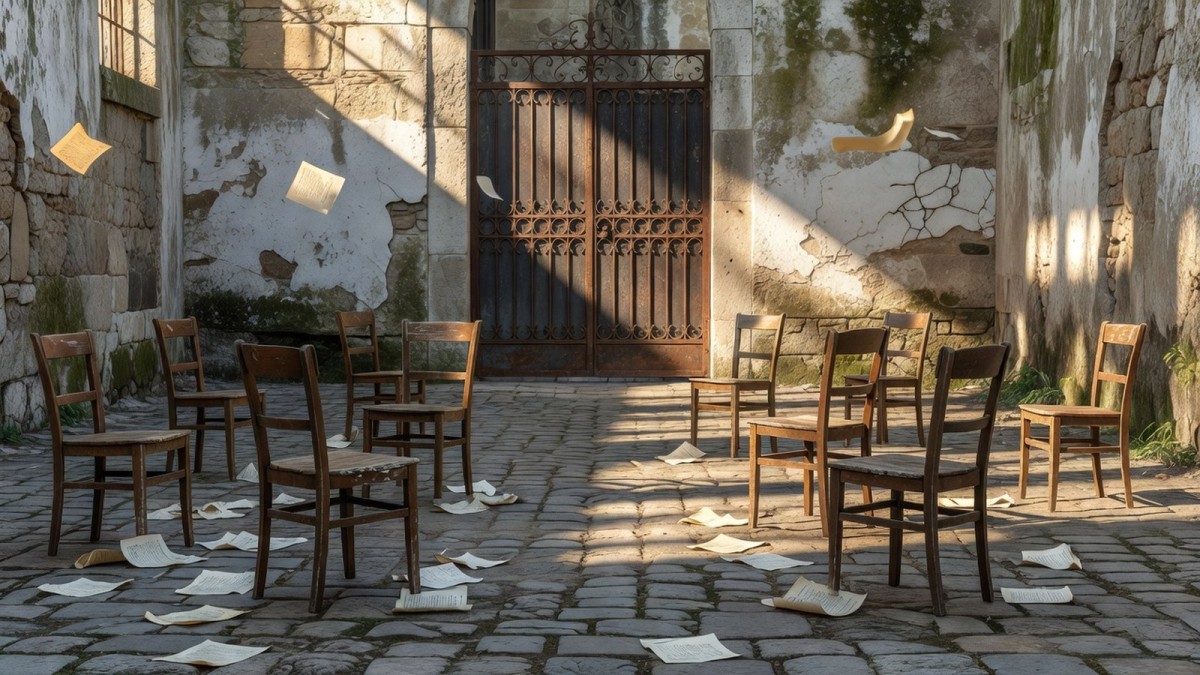
At a port storage facility transformed into a makeshift morgue in La Guaira the same scene repeats itself. Families wait hours to confirm deaths after days of searching hospitals shelters and rubble. The disaster has overwhelmed local services with bodies put outside or in tents for identification. Rows of chairs have been placed inside and outside Los Silos where sadness is contagious. No one speaks. Some stare blankly into space others check their phones reading the news or answering messages. Just a few metres away armed personnel from the Bolivarian Armed Forces control access to the site.
Medical and forensic personnel work alongside bodies covered with plastic bags. Inside the smell of decomposition is the first thing that greets you. Some family members cover their mouths with their hands. Most wear cloth masks which offer little relief. Within minutes many stop reacting. They seem to grow used to it. Nearby hundreds of bodies lie in rows wrapped in plastic bags and exposed to the sun. In the sweltering heat decomposition is rapid. The bodies are arranged according to when they were recovered. At one end of the site a tent offers free cremation services. At the other forensic specialists use dental records to help identify victims whose bodies have become difficult to recognise.
Families Identify Their Dead Through Television Screens
Families face two options for identification. Those who think they can identify a loved one by their clothing are taken to one area. Most relatives however are directed to two television screens. There a different ordeal begins. More than 1,000 images of bodies flash across the screens in a sequence that feels endless. Many are swollen have darkened skin or bear the marks of injuries making identification difficult. Families search for any trace that might help identify their loved ones a tattoo a bracelet a piece of clothing or an item from their home.
Liliana González a 60-year-old resident of Catia La Mar identified her 37-year-old nephew by his tattoo. He was not on the list. I had to look at the images. Modesta Alemán 56 travelled from Carayaca to look for her older sister Matilde. Her sister lived in Playa Grande one of the hardest-hit areas. They told us there were no survivors she says. Volunteers later said they could hear voices calling from the building but no one could get them out. Jéssica Soto 42 sat in a chair at the entrance to Los Silos. For two days she had been waiting for the remains of her 15-year-old daughter and three-year-old granddaughter who got trapped in their apartment after the earthquakes.
Hernán Gil: Rescued After Eight Days Under Rubble
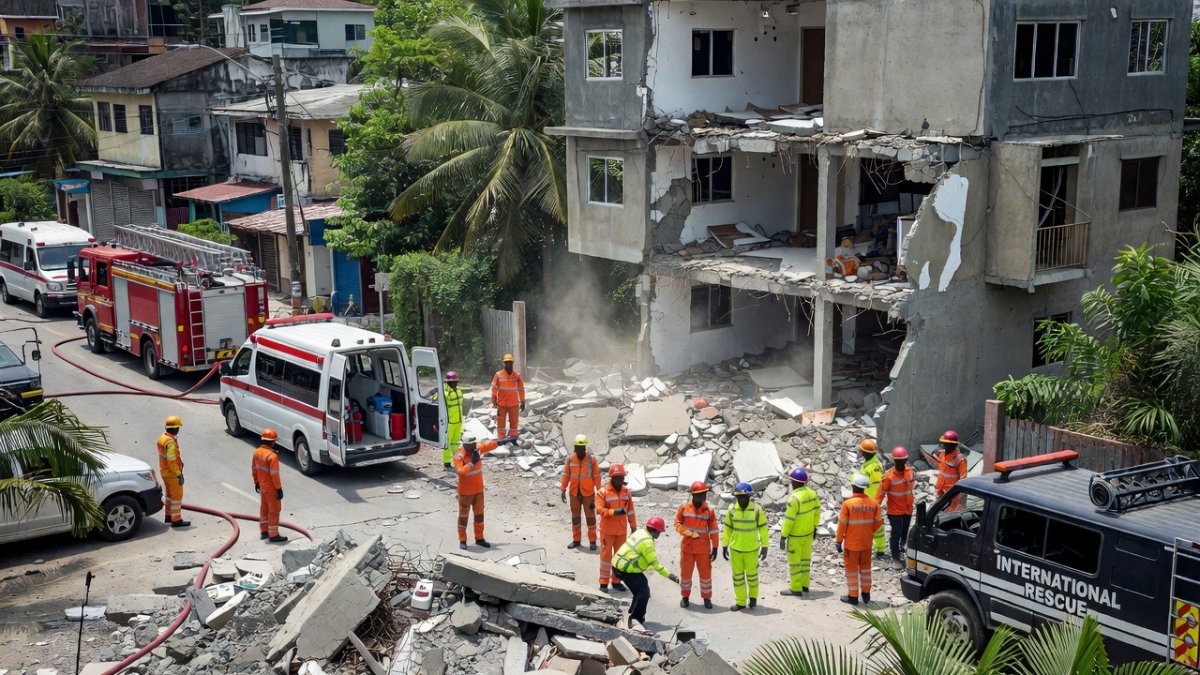
A man was rescued alive after being trapped for eight days. Hernán Gil was trapped under 140 tonnes of rubble after a multi-storey car park collapsed. Emergency workers managed to free him more than 100 hours after they had first located him. Gil had been on duty in a small concrete booth in the basement of the parking lot adjacent to the Galerias Playa Grande mall in Catia La Mar when the twin quakes struck. It appears that the booth created a shell around him protecting him from the 140 tonnes of rubble which collapsed around and on top of him. He has told us that he does not even have a crushed nail another Costa Rican Red Cross worker said shortly before Gil was pulled from the rubble.
Gil had been given water and medics had attached him to an intravenous drip while teams worked to free him. Venezuela's Acting President Delcy Rodríguez visited Gil in hospital calling him a living miracle. Parts of the access ducts rescuers built to reach him collapsed several times highlighting the dangers the work posed to the rescuers as well as Gil. Marco Antonio Franco from the Mexican Red Cross described Gil as a cheerful man. He told Mexican news site Milenio that the survivor even asked for hydration drinks of specific flavours he likes adding that of course we indulged him. According to Franco the rescuers and Gil kept up a steady chatter about his family and about the challenging rescue.
International Rescue Teams from Across Latin America
International teams from Venezuela Chile Costa Rica El Salvador Mexico Portugal and the United States worked to free Hernán Gil. A Chilean firefighter described the operation to rescue Gil as without doubt the most complex and technically difficult which I have had to tackle. Allan Madrigal a paramedic with the Costa Rican Red Cross told journalists at the site that Gil had emerged just perfect from the ordeal. Madrigal is the rescuer who heard Gil's faint cries for help emerging from the rubble on Sunday. It was an emotional moment he recalled explaining that at first he had not trusted his own ears and asked a colleague to confirm that he was not just imagining it.
Marco Antonio Franco from the Mexican Red Cross described Gil as a cheerful man. He told Mexican news site Milenio that the survivor even asked for hydration drinks of specific flavours he likes adding that of course we indulged him. According to Franco the rescuers and Gil kept up a steady chatter about his family and about the challenging rescue. The presence of teams from across Latin America and beyond enabled the eight-day effort despite repeated collapses of access ducts.
Infrastructure Vulnerability Across Latin America
The disaster has overwhelmed local services with bodies put outside or in tents for identification. Families face long waits at a port facility transformed into a morgue in La Guaira. With little infrastructure left standing nine days after the tremors bodies have been put outside or in temporary tents. Under the blazing sun dozens of families wait with a mixture of anguish and dread. The vulnerability of coastal communities like Catia La Mar and Playa Grande became evident as the twin earthquakes struck on 24 June. The challenge of tropical heat accelerating decomposition added pressure to identification efforts at the makeshift morgue.
The lack of forensic infrastructure forced reliance on dental records and visual checks through more than 1,000 images cycling on screens. Lessons for disaster preparedness across Latin America and the Caribbean emerge from the improvised morgue setup and the overwhelmed local services. Coastal areas such as Playa Grande where Modesta Alemán searched for her sister Matilde suffered severe impacts. The rapid decomposition in the heat and the need for free cremation services underscore the infrastructure gaps that affected response across the region.
Acting President Rodríguez and the Government Response
Venezuela's Acting President Delcy Rodríguez visited Hernán Gil in hospital calling him a living miracle. Speaking at a press conference Rodríguez called the earthquakes a natural tragedy on a scale we never imagined. She rejected criticism that her government had reacted too slowly saying that thousands of officials had been deployed after the quakes. As of Thursday evening 2,595 people are confirmed to have died in the quakes which hit Venezuela on 24 June and tens of thousands are still missing.
Rodríguez defended the response amid the overwhelmed local services and the use of a port facility in La Guaira as a makeshift morgue. Thousands of officials coordinated with international teams from Chile Costa Rica El Salvador Mexico Portugal and the United States to support recovery and identification efforts including the rescue of Hernán Gil after eight days under 140 tonnes of rubble.
By Elena Vasquez, Staff WriterThis article was produced with AI-assisted research and editorial support. Reporting is based on sources cited in the article.
What's Your Reaction?
 Like
0
Like
0
 Dislike
0
Dislike
0
 Love
0
Love
0
 Funny
0
Funny
0
 Wow
0
Wow
0
 Sad
0
Sad
0
 Angry
0
Angry
0
Latin America Correspondent at Global1.News. Based in Mexico City, covering politics, economics, energy, and culture across the region. Brings an on-the-ground perspective to stories spanning from the Rio Grande to Patagonia.










Comments (0)