
NATO Summit in Ankara Centers on Iran Containment After US-Israeli War
The 2026 NATO Summit convenes at a pivotal moment for transatlantic security, marking the alliance's first gathering since the outbreak of the US-Israeli war on Iran and placing Middle East stability at the core of discussions among all 32 member states. Hosted in Ankara from July 7-8, the event highlights Turkey's evolving position within NATO while addressing urgent threats f
The 2026 NATO Summit convenes at a pivotal moment for transatlantic security, marking the alliance's first gathering since the outbreak of the US-Israeli war on Iran and placing Middle East stability at the core of discussions among all 32 member states. Hosted in Ankara from July 7-8, the event highlights Turkey's evolving position within NATO while addressing urgent threats from Iranian proxies and regional instability that directly impact Israel's northern borders.
NATO Summit in Ankara Centers on Iran Containment and Alliance Defense Spending After US-Israeli Conflict
Jerusalem, Israel — Leaders from all 32 NATO member states gather at the Bestepe Presidential Compound in Ankara, Turkey, on July 7-8, 2026, for the 36th NATO Summit under the leadership of Secretary General Mark Rutte. This marks the first time Turkey has hosted the event since 2004, and it comes as the initial NATO summit following the start of the US-Israeli war on Iran. Israeli officials from the Prime Minister's Office and Foreign Ministry monitor proceedings closely, recognizing how decisions on Middle East security could reshape containment strategies against Tehran. The summit agenda explicitly includes 5% GDP defense spending targets, continued Ukraine support, defense industrial cooperation, and Middle East security, with Turkish intelligence having played a documented role in recent Iran-US deal negotiations. NATO missile defenses previously shot down four Iranian missiles aimed at Turkey during the conflict, underscoring the alliance's direct stake in the region. Israeli defense industries such as Israel Aerospace Industries seek expanded ties with NATO partners amid these developments.
Summit Overview: NATO Gathers in Ankara
Secretary General Mark Rutte presides over the July 7-8, 2026, sessions at the Bestepe Presidential Compound, where representatives from all 32 NATO member states convene for the first time since the US-Israeli war on Iran began. Turkish President Recep Tayyip Erdogan welcomes delegations, highlighting Ankara's role as both host and key eastern anchor for the alliance. NATO Deputy Secretary General Scott Bray states that the gathering expects significant results on intelligence sharing, particularly regarding Iranian activities. The agenda prioritizes 5% GDP defense spending commitments, sustained support for Ukraine, and enhanced defense industrial cooperation involving firms like Turkey's Aselsan and Roketsan. Israeli analysts note that these talks occur against the backdrop of NATO's prior interception of four Iranian missiles targeting Turkish territory, demonstrating operational integration on the southern flank. Knesset Foreign Affairs and Defense Committee members review updates from Jerusalem, emphasizing how alliance cohesion affects Israel's strategic positioning.
Discussions extend to practical measures for bolstering NATO's presence in the Middle East, with specific reference to coordination between CENTCOM and regional partners. Turkish defense presentations at the summit showcase Roketsan missile systems and Aselsan electronic warfare technologies, which could influence future procurement decisions by NATO members. The presence of all 32 states signals unified resolve, yet underlying tensions over burden-sharing remain evident in preparatory documents. For Israel, the summit represents an opportunity to align intelligence efforts with NATO structures, building on existing Mossad and Shin Bet channels. This overview sets the stage for deeper examination of how Ankara's hosting influences broader alliance dynamics in a post-conflict environment.
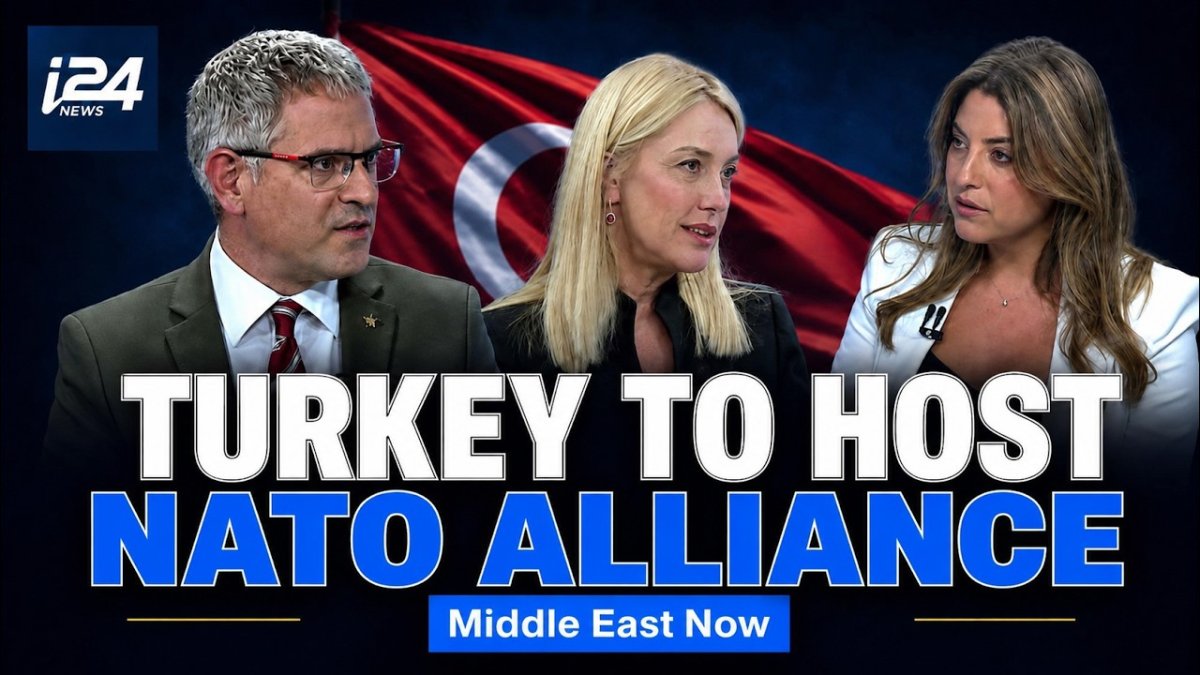
Middle East Security and the Iran Crisis
The US-Israeli war on Iran dominates Middle East security talks at the Ankara summit, with NATO missile defenses having intercepted four Iranian projectiles directed at Turkey earlier in the conflict. Secretary General Mark Rutte emphasizes the need for robust containment strategies, while NATO Deputy Secretary General Scott Bray anticipates concrete intelligence outcomes from the July 7-8 sessions. Turkish intelligence contributions to Iran-US deal negotiations receive explicit acknowledgment, positioning Ankara as a mediator despite its NATO membership. Israeli security concerns center on Iranian proxies operating in Syria and Lebanon, particularly Hezbollah forces massed along the northern border near the Golan Heights. The Institute for National Security Studies in Tel Aviv has published assessments warning that unchecked Iranian influence could destabilize the entire Levant within months.
Alliance leaders address how NATO's southern flank must counter these threats through enhanced maritime patrols and air defense integration. Israeli officials from the IDF Strategic Planning Division coordinate with NATO counterparts to ensure that any new frameworks account for Hezbollah's rocket arsenals and Syrian-based militias. The summit's focus on Middle East security directly ties to protecting Israel's borders, as Iranian retaliation risks spillover into Turkish territory and beyond. Defense industrial cooperation emerges as a tool for countering these challenges, with presentations from Aselsan and Roketsan highlighting systems compatible with Israeli technologies. This crisis-driven agenda underscores why the Ankara gathering carries immediate implications for regional stability beyond traditional European concerns.
Defense Spending and Alliance Cohesion
Commitments to raise defense spending to 5% of GDP form a central pillar of the July 7-8, 2026, NATO Summit in Ankara, reflecting lessons from the US-Israeli war on Iran and ongoing Ukraine support requirements. Secretary General Mark Rutte urges all 32 member states to meet these targets by 2028, citing NATO's successful downing of four Iranian missiles aimed at Turkey as evidence of the value of collective investment. Turkish firms Aselsan and Roketsan present advanced systems during dedicated industrial sessions, aiming to secure contracts that strengthen alliance supply chains. Israeli defense industries, including Israel Aerospace Industries, pursue parallel cooperation agreements with NATO members to enhance interoperability on missile defense and surveillance platforms.
Discussions reveal divisions among European allies over the pace of increases, yet the presence of US representatives reinforces pressure for higher outlays. The Knesset Foreign Affairs and Defense Committee tracks these debates, recognizing that elevated NATO spending could free resources for joint operations against Iranian proxies in Lebanon and Syria. NATO Deputy Secretary General Scott Bray links spending goals to improved intelligence outcomes, a point welcomed by Mossad and Shin Bet analysts in Tel Aviv. Alliance cohesion benefits from Turkey's hosting role at the Bestepe Presidential Compound, which signals Ankara's commitment despite regional frictions. These fiscal and industrial priorities ultimately determine NATO's capacity to serve as a reliable partner for Israeli security needs on multiple fronts.
Turkey's Dual Role: NATO Anchor and Regional Mediator
Turkey hosts the 36th NATO Summit at the Bestepe Presidential Compound on July 7-8, 2026, while simultaneously leveraging its intelligence services in Iran-US deal negotiations, illustrating Ankara's dual function as NATO anchor and regional mediator. All 32 member states attend under Secretary General Mark Rutte, with Turkish defense presentations from Aselsan and Roketsan underscoring industrial contributions to alliance capabilities. NATO's prior interception of four Iranian missiles targeting Turkey during the conflict reinforces the country's frontline status on the southern flank. Israeli observers from the Prime Minister's Office note that this positioning allows Turkey to influence containment policies toward Iran without fully aligning against Tehran's proxies in Syria and Lebanon.
Turkish mediation efforts receive praise from NATO Deputy Secretary General Scott Bray, who expects significant intelligence results from the summit. Yet this role creates complexities for US-Israel relations, as Ankara balances NATO obligations with its own diplomatic channels. The Institute for National Security Studies in Tel Aviv highlights how Turkey's eastern anchor function could either facilitate or complicate intelligence sharing involving Mossad and Shin Bet. Defense industrial cooperation emerges as a bridge, with potential joint projects involving Israeli Aerospace Industries and Turkish firms. This dual posture matters for Israel because it shapes NATO's ability to project power against Hezbollah and other Iranian-backed groups along the northern border, requiring careful navigation by Jerusalem's security establishment.
What the Summit Means for Israel
The Ankara NATO Summit carries direct consequences for Israeli security through its emphasis on Iran containment, NATO southern flank reinforcement, and intelligence sharing mechanisms. With the US-Israeli war on Iran as the backdrop, Israeli officials from the IDF Strategic Planning Division and Knesset Foreign Affairs and Defense Committee evaluate how alliance decisions affect Hezbollah deployments in Lebanon and proxy activities in Syria. NATO missile defenses protecting Turkey demonstrate the practical benefits of collective systems that Israel could integrate via partnerships with member states. Israel Aerospace Industries advances cooperation talks with NATO counterparts on surveillance and missile technologies during the July 7-8 proceedings.
Turkey's role as eastern anchor offers both opportunities and risks for US-Israel relations, particularly as Turkish intelligence participates in Iran-US negotiations. Mossad and Shin Bet maintain dedicated channels to monitor outcomes on Middle East security topics, ensuring that any new frameworks address threats to Israel's northern border. The summit's focus on 5% GDP defense spending could expand resources available for joint operations, while defense industrial cooperation provides avenues for technology exchanges. These elements collectively determine whether NATO emerges as a stronger partner in containing Iranian influence, a priority repeatedly stressed in Jerusalem's strategic assessments.
Expert Analysis: Strategic Implications
Analysts at the Institute for National Security Studies in Tel Aviv assess that the 2026 NATO Summit in Ankara strengthens prospects for Iran containment by formalizing intelligence cooperation and southern flank enhancements following the US-Israeli war on Iran. NATO Deputy Secretary General Scott Bray's expectations for significant intelligence results align with Israeli priorities for tracking Hezbollah movements near the northern border and proxy networks in Syria and Lebanon. The summit's endorsement of 5% GDP defense spending targets, combined with presentations from Aselsan and Roketsan, signals expanded industrial opportunities that could benefit Israel Aerospace Industries through NATO member collaborations.
Turkey's mediation in Iran-US deal negotiations adds nuance, requiring Israeli diplomacy via the Foreign Ministry to safeguard core interests. NATO's demonstrated capability in downing four Iranian missiles aimed at Turkey validates alliance missile defense concepts relevant to Israel's own systems. Knesset Foreign Affairs and Defense Committee reviews emphasize the need for sustained engagement with Secretary General Mark Rutte's office to embed Israeli concerns into final communiques. Overall, the July 7-8 gathering at the Bestepe Presidential Compound positions NATO as a more active player in Middle East dynamics, with implications for long-term stability along Israel's borders and the broader regional balance of power.
The outcomes from Ankara will shape Israeli strategic planning for years, as alliance commitments on spending, intelligence, and industrial ties intersect with ongoing threats from Iranian proxies. Jerusalem remains focused on translating these developments into tangible security gains.
By Hannah Berg, Staff Writer
This article was produced with AI-assisted research and editorial support. Reporting is based on sources cited in the article.
What's Your Reaction?
 Like
0
Like
0
 Dislike
0
Dislike
0
 Love
0
Love
0
 Funny
0
Funny
0
 Wow
0
Wow
0
 Sad
0
Sad
0
 Angry
0
Angry
0

Israel Correspondent at Global1.News. Based in Tel Aviv, covering Israeli politics, security, technology, and society. Provides balanced, deeply-sourced reporting on one of the most closely-watched regions in the world.













Comments (0)