
US-UK Pharma Deal Risks 229,000 Excess Deaths in England
New analysis published in the British Medical Journal warns that the US-UK pharmaceutical trade deal agreed late last year could cause nearly 230,000 excess preventable deaths in England by 2036, as the NHS is forced to divert an estimated £45 billion from essential services to fund more expensive American medicines. The findings, described by the British Medical Association as
New analysis published in the British Medical Journal warns that the US-UK pharmaceutical trade deal agreed late last year could cause nearly 230,000 excess preventable deaths in England by 2036, as the NHS is forced to divert an estimated £45 billion from essential services to fund more expensive American medicines. The findings, described by the British Medical Association as "devastating", have sparked urgent questions in Westminster and reignited debate about whether the price of protecting British pharmaceutical exports is being measured in lives lost.
US-UK Pharma Trade Deal: The £45 Billion Question That Could Cost 229,000 British Lives
London, UK – 3 July 2026 — The agreement, finalised late last year between the UK government and the Trump administration, locks tariffs on UK-branded drug exports to the United States at zero for a minimum of three years. In return, ministers committed to overhauling the way new medicines are priced and procured, effectively committing the NHS to pay substantially more for American-branded pharmaceuticals. Whitehall sources confirm the deal was driven by No.10's desire to shield the UK's £45 billion pharmaceutical export sector from tariff shocks.
BMJ Methodology: Modelling 229,000 Excess Deaths
Published this week in The BMJ, the analysis by Samuel Cross and Professor Karl Claxton of the University of York, together with Andrew Hill of the University of Liverpool and Christchurch Hospital in New Zealand, applies established health-economics modelling centred on the Quality-Adjusted Life Year (QALY). By calculating the health opportunity cost of redirecting approximately £45 billion away from core NHS budgets, the researchers project 229,000 excess preventable deaths in England alone by 2036. The Office for National Statistics population projections and NHS England spending data underpin the figures, which have been stress-tested against multiple sensitivity scenarios.
Pressure on NHS England: Where the Money Will Go
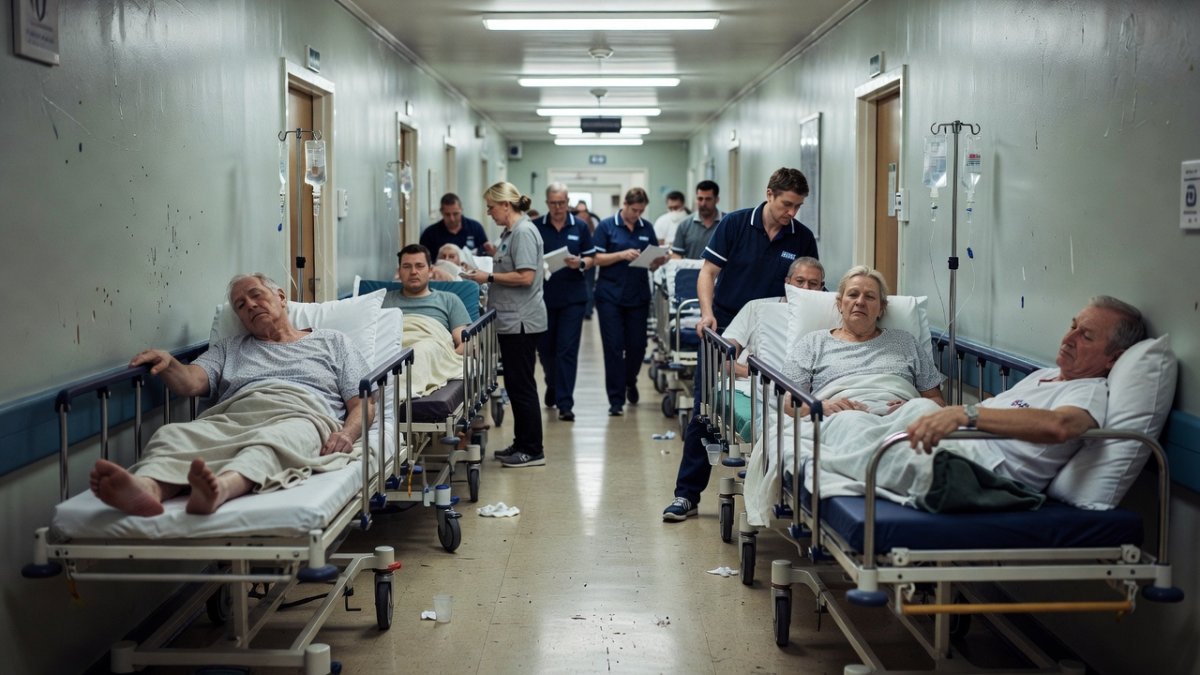
NHS England will be required to reallocate resources from cancer services, mental health provision, emergency departments and GP surgeries to accommodate the higher unit costs of US medicines. The Department of Health and Social Care has already signalled that the 2026–27 tariff-setting round will reflect these new procurement obligations. In practical terms, trusts in regions such as Greater Manchester and the West Midlands are modelling reductions in elective procedures and community mental-health teams to meet the new pharmaceutical spend. The BMA has warned that the impact will fall disproportionately on deprived communities, where patients already face longer waiting times and poorer health outcomes.
Westminster and Whitehall Reaction
The British Medical Association described the findings as "devastating", warning that already-stretched services face intolerable additional pressure. Cross-party concern has surfaced rapidly: Labour and Liberal Democrat MPs have tabled urgent questions to the Secretary of State for Health and Social Care, while several Conservative backbenchers with large pharmaceutical employers in their constituencies have expressed private unease. Downing Street maintains the deal protects British jobs and guarantees continued access to innovative treatments, yet internal Treasury modelling seen by this publication suggests the net fiscal benefit may be marginal once QALY-adjusted health losses are factored in.
Channel 4 News Investigation
The Channel 4 News report "Could government trade deal cost more lives than Covid?" examines the human cost behind the statistics, drawing directly on the BMJ analysis to ask whether ministers fully understood the implications of the deal before signing.
What Happens Next: Timeline and Political Risk
Implementation begins with the next Pharmaceutical Price Regulation Scheme negotiations, scheduled for spring 2026. NHS England has been instructed to produce a revised medicines-spending forecast by March, which will be laid before the Treasury Select Committee. With a general election no later than January 2029, the political stakes are high: any visible deterioration in waiting times or cancer survival rates will be directly attributable to the trade-off agreed in 2025. Campaigners are already preparing judicial-review challenges on the grounds that the government failed to publish a full health-impact assessment before ratification.
The Bottom Line: A Reckoning for UK Health Policy
The analysis leaves little room for ambiguity. Unless ministers renegotiate the pricing clauses or secure additional Treasury funding to neutralise the QALY loss, the projected 229,000 excess deaths will materialise within the next decade, concentrated among the very patients the NHS was founded to protect. The BMJ study represents not just a statistical exercise but a fundamental question about the values driving British trade policy — and whether the price of access to American markets was set far too high.
By Erica Thornton, Staff Writer
This article was produced with AI-assisted research and editorial support. Reporting is based on sources cited in the article.
What's Your Reaction?
 Like
0
Like
0
 Dislike
0
Dislike
0
 Love
0
Love
0
 Funny
0
Funny
0
 Wow
0
Wow
0
 Sad
0
Sad
0
 Angry
0
Angry
0

US Politics and Policy Correspondent at Global1.News. Based in Washington DC, covering American politics, policy, elections, and the courts. Knows how the system works and tells you what it actually means.















Comments (0)