
Canadian Wildfires Destroy Homes in BC: Evacuations Issued
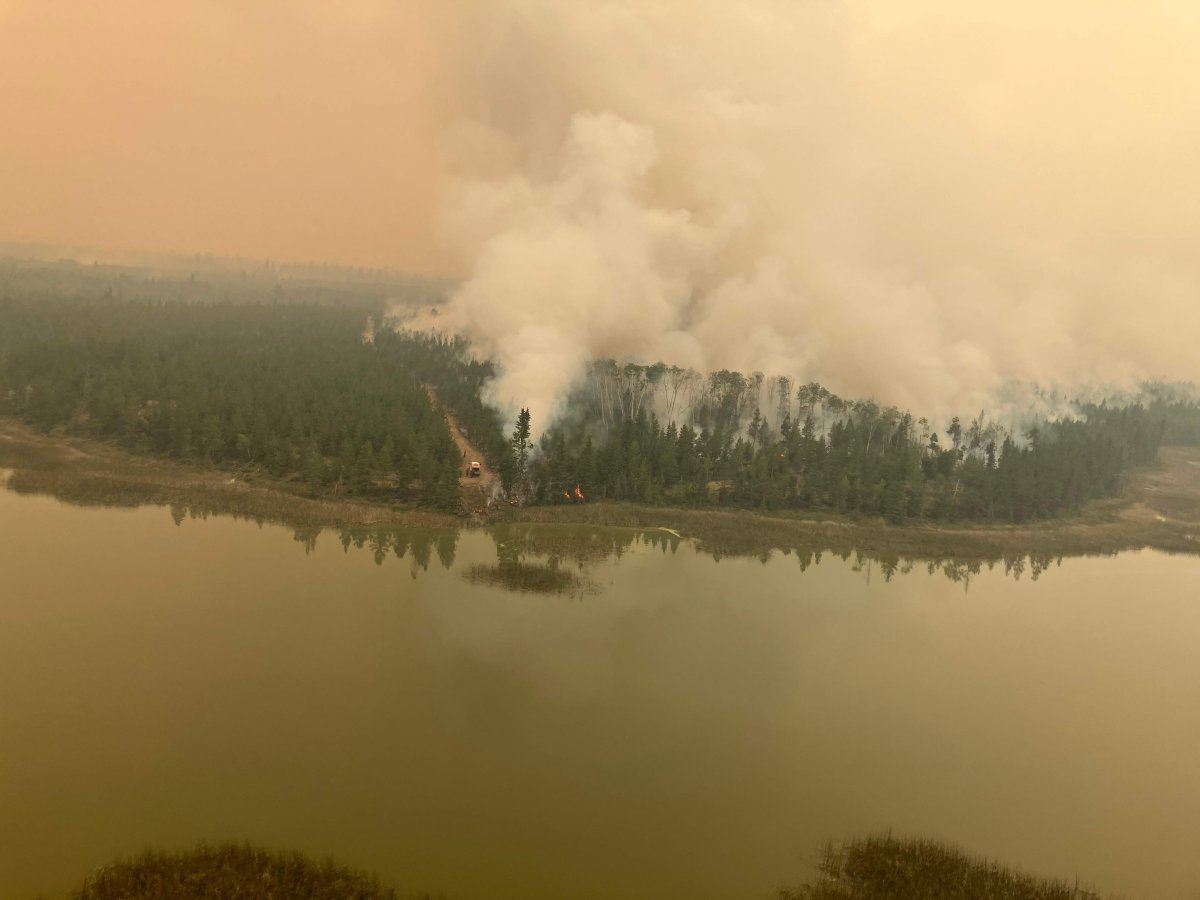
Wildfires Destroy Structures Near Clinton British Columbia officials confirmed on Thursday that at least a dozen properties have seen structures fully destroyed by the Fiftynine Creek wildfire near the Village of Clinton. Colton Davies of the Thompson Nicola Regional District stated that homes, secondary properties, garages and sheds have been lost in the rapid advance of the blaze.
Wildfires Destroy Structures Near Clinton
British Columbia officials confirmed on Thursday that at least a dozen properties have seen structures fully destroyed by the Fiftynine Creek wildfire near the Village of Clinton.
Colton Davies of the Thompson Nicola Regional District stated that homes, secondary properties, garages and sheds have been lost in the rapid advance of the blaze.
The fire, now estimated at 11,000 hectares, forced an expansion of evacuation orders and alerts as crews worked to contain the out-of-control situation.
Historical data places this season in stark context. British Columbia burned more than 1.8 million hectares in 2023, surpassing the previous record set in 2018. The 2021 season saw roughly 860,000 hectares lost, while 2024 recorded approximately 1.2 million hectares by late summer. The current Fiftynine Creek blaze contributes to a trajectory that already exceeds 2024 totals in several interior regions, reflecting longer fire seasons driven by extended drought periods and earlier snowmelt.
Climate trends show Canadian fire seasons lengthening by an average of two to three weeks since the 1990s, with western provinces experiencing the most pronounced shifts. Analysts note that hotter, drier conditions have increased the frequency of extreme fire behaviour across the province.
Evacuation Challenges in the Fraser Canyon
In the Fraser Canyon, the Brunswick Creek Complex has burned tens of thousands of hectares and claimed at least seven structures so far.
Tami Dalpadado, a farm owner in North Bend, described watching through doorbell cameras as flames approached her property.
She had only minutes to activate sprinklers and secure pets before leaving, and was forced to release her goats to fend for themselves when the fire came within 500 metres.
Gordon Robinson, fire information officer for the Brunswick Complex with the BC Wildfire Service, noted that fire behaviour remains too intense for direct attack, leaving crews focused on structural protection along the corridor.
Dalpadado later recounted the emotional toll of abandoning livestock, a decision shared by several ranchers in the area who faced similar time constraints. Agricultural losses in the Fraser Canyon already include damaged fencing, feed stores and irrigation equipment, with preliminary estimates suggesting millions in uninsured costs for small operators.
Federal coordination through the Canadian Interagency Forest Fire Centre has facilitated the movement of additional crews and equipment from Alberta and Saskatchewan, though officials emphasise that resource strain remains acute.
Thick Smoke Blankets Kelowna
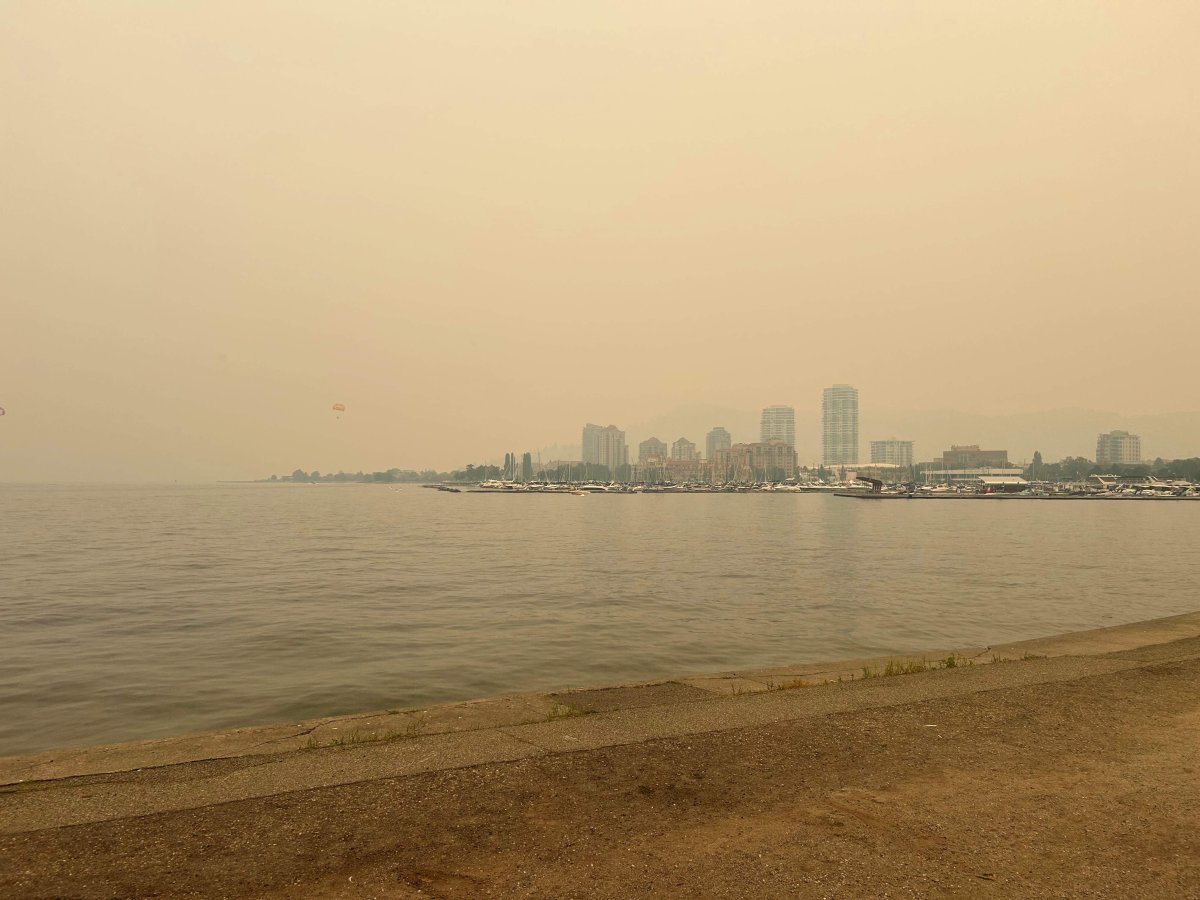
Thick wildfire smoke settled over Kelowna on Thursday, obscuring views of Okanagan Lake and prompting public health officials to advise residents to limit outdoor exposure.
The Air Quality Health Index reached the highest risk category of 10+, reflecting conditions that affect the general population.
Visitors such as Gina Hill from Ontario and Robyn Papirny from Edmonton reported cancelling plans and altering itineraries due to the sudden deterioration in air quality.
Local business owner Sandra Ng of the Aloha Okanagan food truck indicated that reduced foot traffic may force shortened hours during peak season.
Interior Health guidance for AQHI readings of 10+ recommends that all residents, particularly seniors, children and individuals with COPD or asthma, remain indoors with windows closed. Vulnerable groups are advised to use air purifiers if available and to avoid strenuous activity. Health officials note increased emergency room visits for respiratory distress during such episodes.
Ng described how her seasonal revenue, normally buoyed by tourism, has dropped sharply. The Okanagan tourism sector, valued at over $2 billion annually, faces projected losses exceeding 15 percent this summer if smoke events persist, compounding earlier setbacks from pandemic recovery.
Highway Closures Disrupt Travel
Highway 1 remains closed through the Fraser Canyon because of the Brunswick Creek Complex, while Highway 3 is shut down through Manning Park due to the Norwegian Creek wildfire.
The Coquihalla Highway stands as the sole remaining route connecting the Lower Mainland and the Interior.
A separate truck fire near Kamloops briefly closed southbound lanes on Thursday afternoon, adding to the strain on provincial transportation networks.
These disruptions have delayed commercial freight and tourist travel alike, with ripple effects on supply chains for agricultural products moving from the Interior to coastal markets. Economic modelling suggests daily losses in the tens of millions when major corridors are severed during peak season.
Ontario NDP Renews Call for Public Inquiry
The Ontario NDP has repeated its demand for a public inquiry into the province’s response to this summer’s forest fires, with more than 180 blazes still active in the north.
Marit Stiles emphasised at Queen’s Park that while fighting active fires remains the immediate priority, a thorough review is essential once conditions allow.
First Nations leaders have stated that some communities received little warning or assistance and were left to organise their own evacuations.
They have also pointed to years of ignored recommendations on wildfire preparedness and emergency response from Indigenous communities.
Chief Gloria Wesley of Webequie First Nation and representatives from Pikangikum and Attawapiskat have publicly criticised delayed evacuation support and inadequate advance notice. Several communities reported relying on local volunteers to transport elders and children when provincial resources arrived late. These accounts echo longstanding concerns about federal-provincial coordination gaps that have persisted through multiple seasons.
Canadian Context and Ongoing Risks
Hot, dry conditions and forecast winds continue to heighten the threat across affected regions, with officials urging all residents under evacuation orders to leave immediately.
Staying behind can hinder firefighting operations and place additional pressure on limited resources in both British Columbia and Ontario.
The situations underscore longstanding challenges in federal-provincial coordination and the need for improved support for Indigenous communities facing climate-driven wildfire seasons.
More than 7,250 square kilometres have burned in Ontario alone this year, placing the province on track for its worst wildfire season on record.
Requests for Canadian Armed Forces assistance have been submitted in both provinces to support logistics and community protection. National firefighting costs this year are projected to exceed $1 billion, with climate projections indicating further escalation as seasons grow longer and more intense across the country.
Tags: BC wildfires, Fiftynine Creek, Brunswick Creek Complex, Kelowna smoke, Ontario NDP inquiry, evacuation orders, Air Quality Health Index
By Alex Thompson, Staff Writer
This article was produced with AI-assisted research and editorial support. Reporting is based on sources cited in the article.
What's Your Reaction?
 Like
0
Like
0
 Dislike
0
Dislike
0
 Love
0
Love
0
 Funny
0
Funny
0
 Wow
0
Wow
0
 Sad
0
Sad
0
 Angry
0
Angry
0
Canada Correspondent at Global1.News. Based in Toronto, covering Canadian politics, energy, trade, and US-Canada relations. Provides the Canadian perspective on North American and global affairs.













Comments (0)