
Mexico Files Criminal Complaints Over 17 ICE Deaths
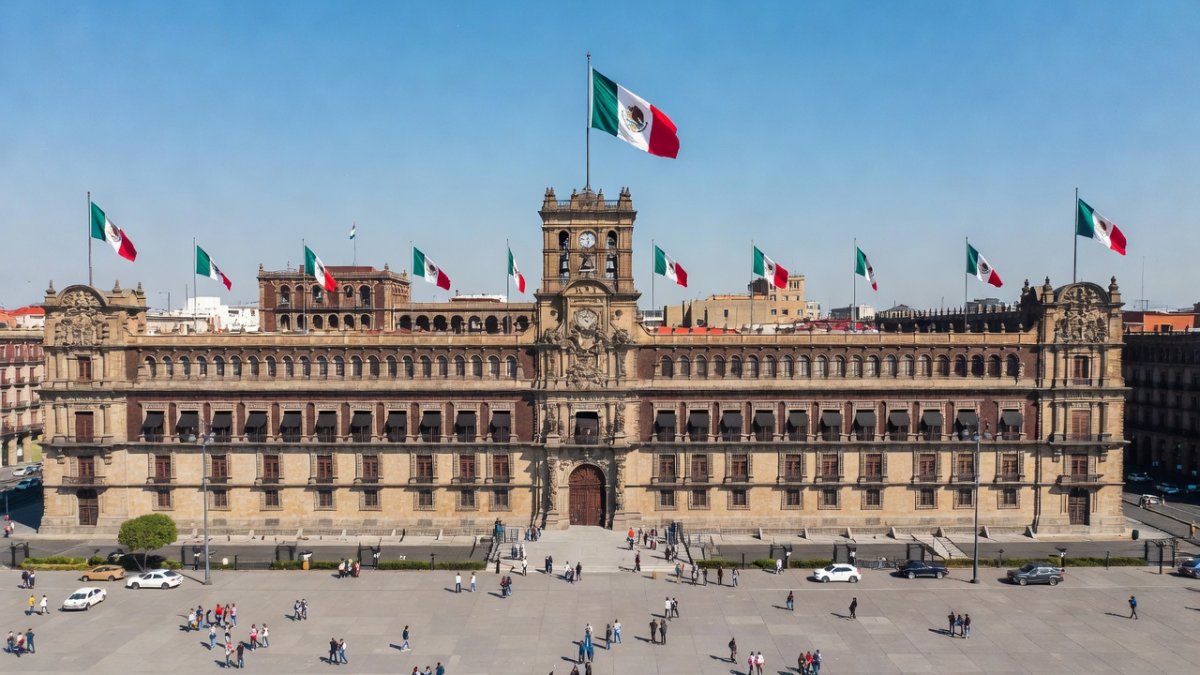
Mexico Announces Direct Legal Action at the July 9 Mañanera From the historic halls of Palacio Nacional on July 9, 2026, President Claudia Sheinbaum stood alongside Foreign Affairs Minister Roberto Velasco to deliver a clear message to Washington. Mexico will file criminal complaints directly with US attorneys’ offices over the deaths of 17 Mexican nationals in ICE custody or d
Mexico Announces Direct Legal Action at the July 9 Mañanera
From the historic halls of Palacio Nacional on July 9, 2026, President Claudia Sheinbaum stood alongside Foreign Affairs Minister Roberto Velasco to deliver a clear message to Washington. Mexico will file criminal complaints directly with US attorneys’ offices over the deaths of 17 Mexican nationals in ICE custody or during enforcement operations under the Trump administration. The announcement came during the daily mañanera, the traditional morning briefing that connects the presidency directly with the Mexican people.
Sheinbaum spoke with the steady voice of a leader who has watched families on both sides of the border suffer. She emphasized that the only offense committed by those who died was not yet having immigration papers. The decision to pursue criminal charges in US courts marks a significant escalation in how Mexico defends its citizens abroad.
Reporters gathered in the room understood the weight of the moment. This was not another diplomatic note but a concrete step toward accountability inside the American justice system. Velasco stood ready to coordinate with US attorneys’ offices, signaling that Mexico intends to treat these cases with the seriousness of any other criminal matter.
The announcement resonated far beyond the capital. In colonias across the country and in communities in the United States where Mexican workers live, families heard the news with a mixture of sorrow and hope. For the first time, their government was moving beyond protests to direct legal action.
Sheinbaum has opposed the Trump administration’s deportation campaign since it began in January 2025. The July 9 statement built on that consistent position while adding new legal tools. Mexican officials made clear they would not remain silent while their citizens died in US custody.
The Shooting of Lorenzo Salgado Araujo in Houston
On July 7, 2026, 52-year-old Lorenzo Salgado Araujo was driving to a construction site in Houston, Texas, when an ICE officer shot and killed him. Salgado Araujo had spent years working in construction, sending money home to support his family in Mexico. His death brought the total number of Mexican nationals lost in ICE custody or operations to 17.
Construction workers like Salgado Araujo often leave their homes before dawn, traveling long distances to job sites that keep American cities running. His story reflects the daily reality of thousands of Mexican laborers who cross into the United States seeking steady work. The loss of one more father and provider sent shockwaves through Houston’s Mexican community and back to his hometown in Mexico.
Details released at the mañanera confirmed that Salgado Araujo was not the subject of any criminal investigation. He was simply heading to work when the fatal encounter occurred. His family now faces the impossible task of understanding how a routine drive ended in tragedy.
Community members in Houston who knew Salgado Araujo described him as a reliable colleague and devoted family man. Remittances he sent helped pay for school supplies, medical care, and home repairs in Mexico. His death removes that vital support at a time when many families already struggle with rising costs.
The shooting occurred just two days before the presidential announcement, giving the July 9 mañanera added urgency. Sheinbaum and Velasco referenced the case directly, making clear that Mexico would seek justice through US criminal channels rather than relying solely on diplomatic channels.
Seventeen Mexican Nationals and Fifty-Eight Foreign Deaths in ICE Custody
The 17 Mexican cases break down into 14 deaths inside ICE detention centers between 2025 and 2026 and three deaths during enforcement operations. These numbers represent real people with families waiting for their return. Each case adds to a growing record that Mexico can no longer ignore.
Public reports show 58 foreign national deaths in ICE custody during the same period. While the focus of Mexico’s action remains on its own citizens, the broader pattern affects migrants from many countries. Mexican officials have tracked these incidents carefully, compiling evidence for both domestic and international audiences.
Behind every number stands a family that has lost a son, daughter, parent, or sibling. In rural Mexican communities, the absence of a migrant worker can mean the difference between a child staying in school or dropping out to work. The human cost extends across borders and generations.
Sheinbaum has repeatedly highlighted that many of those who died had no criminal records. Their only connection to the justice system was an immigration status that had not yet been resolved. This distinction matters deeply to Mexican families who view migration as an economic necessity rather than a crime.
Legal Strategy: Criminal Complaints and Civil Actions
Mexico will file criminal complaints directly with US attorneys’ offices, seeking accountability under American law. This approach moves beyond traditional diplomacy into the realm of criminal prosecution. Officials believe the evidence supports charges in multiple cases.
At the same time, Mexico will pursue civil actions against companies that operate ICE detention centers. Cease-and-desist letters have already been prepared, demanding that these firms address conditions inside the facilities. The dual track of criminal and civil pressure aims to create meaningful change.
Legal teams in both countries are reviewing medical records, incident reports, and witness statements. Mexico intends to present complete case files rather than general complaints. This methodical approach reflects the seriousness with which the Sheinbaum administration treats each death.
Community organizations in the United States have offered support for the civil cases. Mexican consulates across the border are collecting additional documentation from families. The goal remains accountability and prevention, not simply punishment after the fact.
Diplomatic Efforts: Eleven Notes, UN Engagement, and IACHR Review
Before turning to criminal complaints, Mexico sent eleven formal diplomatic notes of protest to the US government. These notes documented each death and requested investigations. When responses proved insufficient, Mexico expanded its efforts to international forums.
During the April 2026 visit of UN High Commissioner for Human Rights Volker Türk, Mexican officials raised the deaths in ICE custody. The conversation placed the issue on the global human rights agenda. Mexico has also asked the Inter-American Commission on Human Rights to review the cases.
These diplomatic steps demonstrate Mexico’s commitment to exhausting every available channel. The decision to file criminal complaints in US courts represents the next logical step after diplomatic avenues yielded limited results. Families in Mexico appreciate that their government continues to advocate even when progress is slow.
Impact on Mexican Families, Remittances, and Construction Communities
The deaths affect entire networks of relatives who depend on remittances sent from the United States. Construction workers like Lorenzo Salgado Araujo often support multiple households. When one provider is lost, children may leave school and older relatives lose access to medicine.
In colonias across Mexico, news of another death in ICE custody travels quickly. Families who once encouraged migration now weigh the risks more carefully. Yet economic pressures remain strong, pushing many young people northward despite the dangers.
Communities in Texas and California that rely on Mexican labor feel the loss as well. Construction projects slow when experienced workers are removed or when fear keeps others from showing up. The human connections between Mexican towns and US job sites run deep and cannot be easily replaced.
Sheinbaum’s Consistent Opposition to Deportation Policies
Since January 2025, President Sheinbaum has spoken against the Trump administration’s mass deportation plans. She has framed the policy as harmful to families and economies on both sides of the border. The July 9 announcement continues that steady opposition with concrete legal measures.
Sheinbaum’s approach combines public statements with behind-the-scenes diplomacy. She understands that many Mexican workers contribute to American industries while supporting families at home. Her government refuses to accept deaths in custody as an unavoidable cost of enforcement.
Economic Context and Next Steps Toward Accountability
At the same mañanera, Sheinbaum announced that inflation in Mexico declined in June 2026. The positive economic news offered a brief moment of relief amid the somber discussion of lives lost. Lower inflation helps families stretch remittances further, yet it cannot ease the grief of those mourning loved ones.
Next steps include filing the criminal complaints with US attorneys’ offices and advancing the civil suits against detention operators. Mexican legal teams will monitor each case closely. Families will receive regular updates as the process moves forward.
The Sheinbaum administration has made clear that it will not stop until every available avenue for justice has been pursued. Mexican communities on both sides of the border are watching closely, hopeful that accountability will finally arrive.
Tags: Mexico ICE deaths, Sheinbaum Trump deportation, Lorenzo Salgado Araujo, Mexican families ICE custody, diplomatic notes US Mexico, human rights Mexico, mañanera, US Mexico relations, criminal complaints Mexico, ICE detention conditions
By Rosa Martinez, Staff Writer
This article was produced with AI-assisted research and editorial support. Reporting is based on sources cited in the article.
What's Your Reaction?
 Like
0
Like
0
 Dislike
0
Dislike
0
 Love
0
Love
0
 Funny
0
Funny
0
 Wow
0
Wow
0
 Sad
0
Sad
0
 Angry
0
Angry
0

Latin America/Andes Correspondent at Global1.News. Based in Bogota, covering politics, environment, energy, and social movements across the Andean region. Passionate about environmental journalism and communities protecting their land.














Comments (0)