
US Retail Spending Plunges 1 Percent in March as Banking Crisis and Smaller Refunds Trigger Pullback
US Retail Spending Plunges 1 Percent in March as Banking Crisis and Smaller Refunds Trigger Pullback The Sharp Drop in Retail Sales US retailers saw spending fall sharply in March as consumers reined in purchases following the banking crisis that stoked recession fears. Retail sales, adjusted for seasonality but not inflation, declined 1 percent from the prior month according t
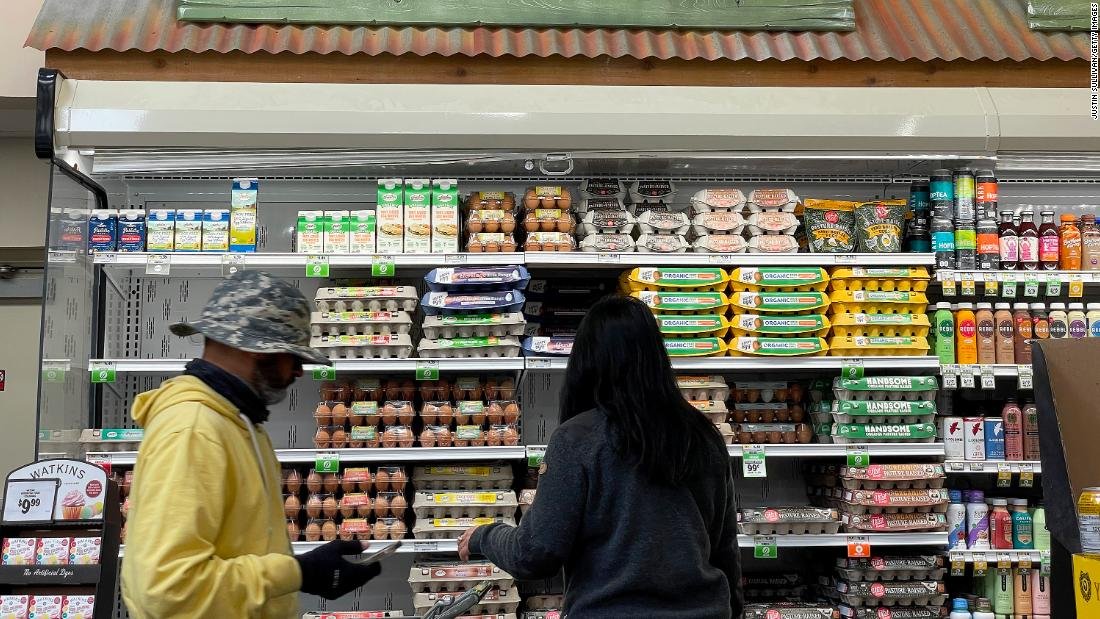
The Sharp Drop in Retail Sales
US retailers saw spending fall sharply in March as consumers reined in purchases following the banking crisis that stoked recession fears. Retail sales, adjusted for seasonality but not inflation, declined 1 percent from the prior month according to the Commerce Department. This reading exceeded the 0.4 percent drop analysts at Refinitiv had projected and surpassed the revised 0.2 percent decline recorded in February.
The magnitude of the contraction highlights how quickly sentiment shifted once banking turmoil emerged. Data show the pullback was not isolated to one category but spread across multiple retail channels. Such a steep monthly slide raises questions about the durability of consumer-driven growth in the months ahead.
Official figures confirm the decline occurred even as the broader labor market continued adding positions. This contrast between monthly sales weakness and ongoing job gains illustrates the uneven pressures facing households in early 2023.
Banking Crisis Fuels Recession Fears
The banking crisis directly contributed to heightened recession concerns that prompted households to tighten spending. Consumers responded to the uncertainty by reducing outlays at stores and on big-ticket items. The Commerce Department data capture this reaction in the March reading.
Recession fears appear to have weighed more heavily on discretionary purchases than on everyday necessities. The source material shows that sentiment shifted noticeably once banking stresses surfaced. This environment made households more cautious despite steady employment numbers.
Analysts note that the crisis amplified existing worries about economic momentum. The resulting caution translated into measurable reductions in retail activity during the month. These developments underscore how quickly external shocks can alter spending patterns.
Smaller Tax Refunds Hit Consumer Wallets
The IRS issued 84 billion dollars in tax refunds during March, roughly 25 billion dollars less than the amount distributed in March 2022 according to Bank of America analysts. This shortfall left many households with smaller cash infusions than they had anticipated. As a result, spending at department stores and on durable goods such as appliances and furniture declined.
Economists point to the reduced refunds as a key factor behind the March weakness. Some consumers had expected refunds comparable to the prior year, but the lower totals curtailed their ability to make larger purchases. The timing of the shortfall coincided with other pressures on household budgets.
Bank of America researchers observed that credit and debit card spending per household moderated in March to its slowest pace in more than two years. This moderation aligns with the reduced refund totals and reflects a broader tightening of consumer outlays.
Declines at Department Stores and Gas Stations
Spending at general merchandise stores fell 3 percent in March while outlays at gas stations dropped 5.5 percent over the same period. These two categories accounted for a sizable portion of the overall retail sales decline. The drops illustrate how consumers prioritized essential needs over discretionary items.
Department store weakness reflects the impact of smaller tax refunds on planned purchases of clothing and household goods. Gas station declines coincided with lower fuel prices and reduced driving, further trimming monthly totals. Both sectors showed clear signs of consumer restraint.
The combined effect of these category-level declines pushed the headline retail sales figure lower than expected. Data confirm that the pullback was concentrated in areas sensitive to cash flow and price changes.
Excluding Gas, Broader Pullback Evident
When gas station sales are excluded, retail spending still retreated 0.6 percent in March from February levels. This adjusted measure confirms that the weakness extended beyond fuel-related purchases. The 0.6 percent decline demonstrates a broad-based reduction in consumer activity.
Economists attribute part of this underlying softness to the expiration of enhanced food assistance benefits that had supported spending through February. The end of those benefits removed an additional source of household resources. The resulting gap contributed to the observed pullback.
The adjusted figure reinforces that March marked a genuine shift in spending behavior rather than an artifact of energy prices alone. Multiple data points converge on the same conclusion of reduced consumer momentum.
Year-over-Year Growth Masks Monthly Weakness
Despite the monthly decline, retail spending rose 2.9 percent on a year-over-year basis. This annual increase shows that spending remained above the level recorded in March 2022 even after the recent pullback. The contrast between monthly and annual readings highlights the importance of examining both time frames.
The annual gain occurred against a backdrop of elevated prices and shifting consumer priorities. Smaller tax refunds and the end of pandemic-era benefits tempered the pace of growth relative to earlier periods. The 2.9 percent figure therefore reflects resilience tempered by emerging caution.
Analysts emphasize that the year-over-year increase does not erase the significance of the March monthly drop. The data indicate that momentum slowed noticeably once banking concerns and refund shortfalls materialized.
Solid Job Market but Slowing Wage Growth
Employers added 236,000 jobs in March, keeping the labor market on solid footing. At the same time, average hourly earnings grew 4.2 percent year-over-year, down from 4.6 percent the prior month and the smallest annual rise since June 2021 according to Bureau of Labor Statistics data. The number of available jobs in February was down more than 17 percent from its peak of 12 million in March 2022.
These labor market details show continued hiring alongside cooling wage pressures. The combination suggests employers remain willing to add staff even as compensation growth moderates. Consumers therefore faced mixed signals from the job market during the period of retail weakness.
The steady addition of positions did not fully offset the impact of smaller refunds and reduced benefits on household spending. The data illustrate how employment gains alone proved insufficient to sustain prior spending levels in March.
Rising Inflation Expectations Signal Caution
Consumer sentiment held steady in April despite the banking crisis, according to the University of Michigan survey. Year-ahead inflation expectations rose from 3.6 percent in March to 4.6 percent in April. Joanne Hsu, director of the surveys of consumers at the University of Michigan, noted that consumers are expecting a downturn and waiting for the other shoe to drop.
The increase in inflation expectations occurred even as actual wage growth slowed. This combination points to persistent concerns about future purchasing power. Households appear to be preparing for tougher conditions ahead rather than resuming earlier spending patterns.
The steady sentiment reading alongside higher inflation forecasts underscores the cautious stance that contributed to the March retail sales decline. Data from multiple sources converge on the view that consumers are bracing for further economic shifts.
By Jessica Ali, Staff WriterThis article was produced with AI-assisted research and editorial support. Reporting is based on sources cited in the article.
What's Your Reaction?
 Like
0
Like
0
 Dislike
0
Dislike
0
 Love
0
Love
0
 Funny
0
Funny
0
 Wow
0
Wow
0
 Sad
0
Sad
0
 Angry
0
Angry
0

Editor-in-Chief at Global1.News. Atlanta-based journalist who cuts through the BS and tells it like it is. Lead anchor, host, and the voice you hear when the spin stops and the truth starts.













Comments (0)