
US Retail Sales Drop Sharply in March as Banking Fears and Smaller Refunds Squeeze Consumers
Commerce Department Data Reveals Steeper-Than-Expected Pullback The Commerce Department reported on Friday that retail sales fell 1 percent in March from the prior month after seasonal adjustment but before inflation. That decline exceeded the 0.4 percent drop economists had forecast and followed a revised 0.2 percent decrease in February. Year-over-year retail spending still r
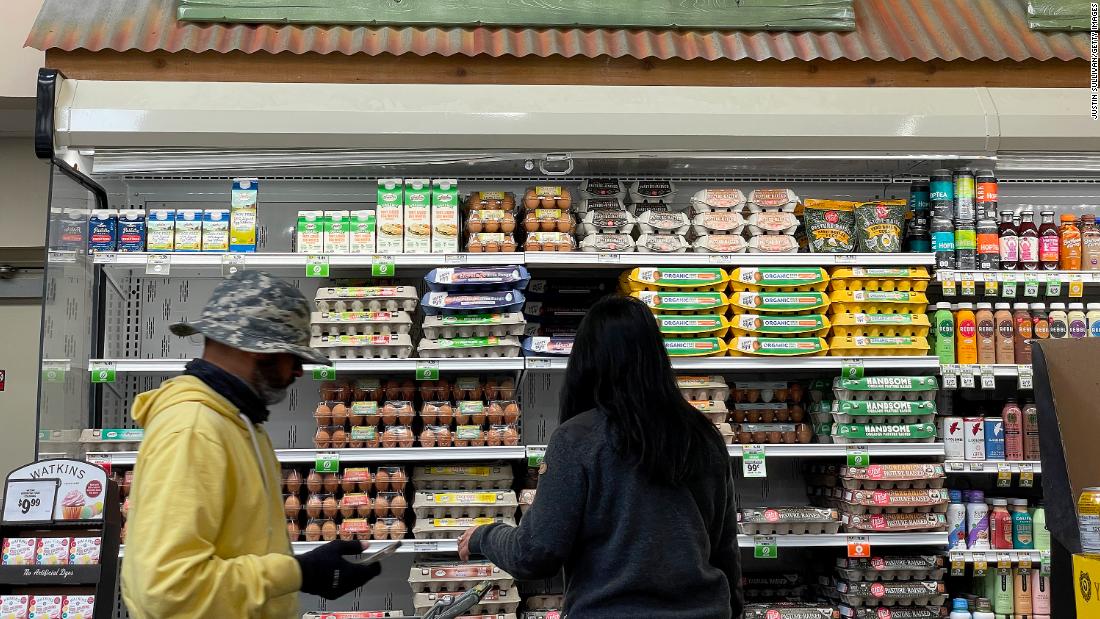
Commerce Department Data Reveals Steeper-Than-Expected Pullback
The Commerce Department reported on Friday that retail sales fell 1 percent in March from the prior month after seasonal adjustment but before inflation. That decline exceeded the 0.4 percent drop economists had forecast and followed a revised 0.2 percent decrease in February. Year-over-year retail spending still rose 2.9 percent, yet the monthly contraction underscores how quickly consumer behavior can shift when recession concerns intensify. Investors attributed part of the weakness to delayed tax refunds and a labor market that has begun to lose momentum, factors that together prompted households to cut back at department stores and on big-ticket durable goods.
Tax Refunds and Expired Benefits Directly Curbed Spending
The Internal Revenue Service issued 84 billion dollars in tax refunds during March, roughly 25 billion dollars less than the amount distributed in March 2022. Aditya Bhave, senior US economist at BofA Global Research, noted that March is a critical month for refunds and that many households received smaller checks than they had anticipated. Spending at general merchandise stores dropped 3 percent month-over-month, while outlays at gas stations fell 5.5 percent. Even after excluding gas-station sales, retail spending retreated 0.6 percent. The expiration of enhanced pandemic-era Supplemental Nutrition Assistance Program benefits in February added further pressure, removing a support that had previously bolstered low-income household budgets. Credit- and debit-card spending per household tracked by Bank of America researchers slowed to its weakest pace in more than two years, confirming that the combination of smaller refunds and lapsed benefits translated into measurable restraint at the register.
Labor Market Remains Solid but Shows Clear Signs of Cooling
Despite the retail-sales decline, the Bureau of Labor Statistics reported that employers added 236,000 jobs in March, a figure that remains robust by historical standards yet falls below the average monthly pace recorded in the preceding six months. Average hourly earnings rose 4.2 percent year-over-year, the smallest annual increase since June 2021 and down from the prior month’s 4.6 percent pace. The Job Openings and Labor Turnover Survey for February showed available positions still elevated but more than 17 percent below the March 2022 peak of 12 million. Revised data also indicated that weekly unemployment claims were higher than previously estimated. These details suggest the labor market is easing without collapsing, a nuance that could help sustain consumer spending in the months ahead even as overall momentum moderates.
Consumer Sentiment Holds Steady After Initial Banking-Crisis Dip
University of Michigan surveys showed consumer sentiment worsened only slightly in March amid the failures of Silicon Valley Bank and Signature Bank, then stabilized in April. Joanne Hsu, director of the surveys of consumers at the University of Michigan, stated that consumers did not perceive material changes in the economic environment in April. Year-ahead inflation expectations, however, jumped a full percentage point to 4.6 percent, driven in part by higher gasoline prices. Hsu observed that households are expecting a downturn yet do not feel as pessimistic as they did last summer, instead adopting a wait-and-see posture. This measured outlook aligns with the view that banking-sector turbulence has so far produced limited direct effects on household finances.
Broader Economic Signals Point to Subdued Growth Ahead
Federal Reserve economists had already projected subdued growth with recession risks before the March bank collapses; those risks have since been reinforced by the lagged impact of higher interest rates. Michelle Meyer, North America chief economist at Mastercard Economics Institute, emphasized that the big picture remains favorable when considering income growth, household balance sheets, and labor-market health. Nevertheless, the March retail-sales figures illustrate how quickly specific headwinds—smaller refunds, expired benefits, and slower wage gains—can translate into reduced discretionary outlays. The data do not yet indicate a broad collapse in consumer demand, but they do highlight the sensitivity of spending to near-term cash-flow changes and to any further softening in employment conditions.
What the Numbers Tell Us About the Path Forward
Taken together, the Commerce Department release, Bureau of Labor Statistics employment figures, Bank of America spending trackers, and University of Michigan sentiment readings paint a picture of an economy that is cooling rather than contracting outright. Retail sales fell more sharply than expected because households responded to concrete reductions in refund income and the loss of pandemic-era support. At the same time, the labor market’s continued job creation and still-elevated though declining job openings suggest that income growth could continue to underpin spending. The key uncertainty lies in whether the recent moderation in wage gains and the possibility of further labor-market softening will amplify the pullback observed in March. Policymakers and investors will watch the upcoming Employment Cost Index and subsequent retail-sales releases for clearer signals on whether this month’s decline marks a temporary pause or the start of a more sustained retrenchment.
By Jessica Ali, Staff WriterThis article was produced with AI-assisted research and editorial support. Reporting is based on sources cited in the article.
What's Your Reaction?
 Like
0
Like
0
 Dislike
0
Dislike
0
 Love
0
Love
0
 Funny
0
Funny
0
 Wow
0
Wow
0
 Sad
0
Sad
0
 Angry
0
Angry
0

Editor-in-Chief at Global1.News. Atlanta-based journalist who cuts through the BS and tells it like it is. Lead anchor, host, and the voice you hear when the spin stops and the truth starts.















Comments (0)