
UK Intercepts Russian Shadow Fleet Vessel in English Channel
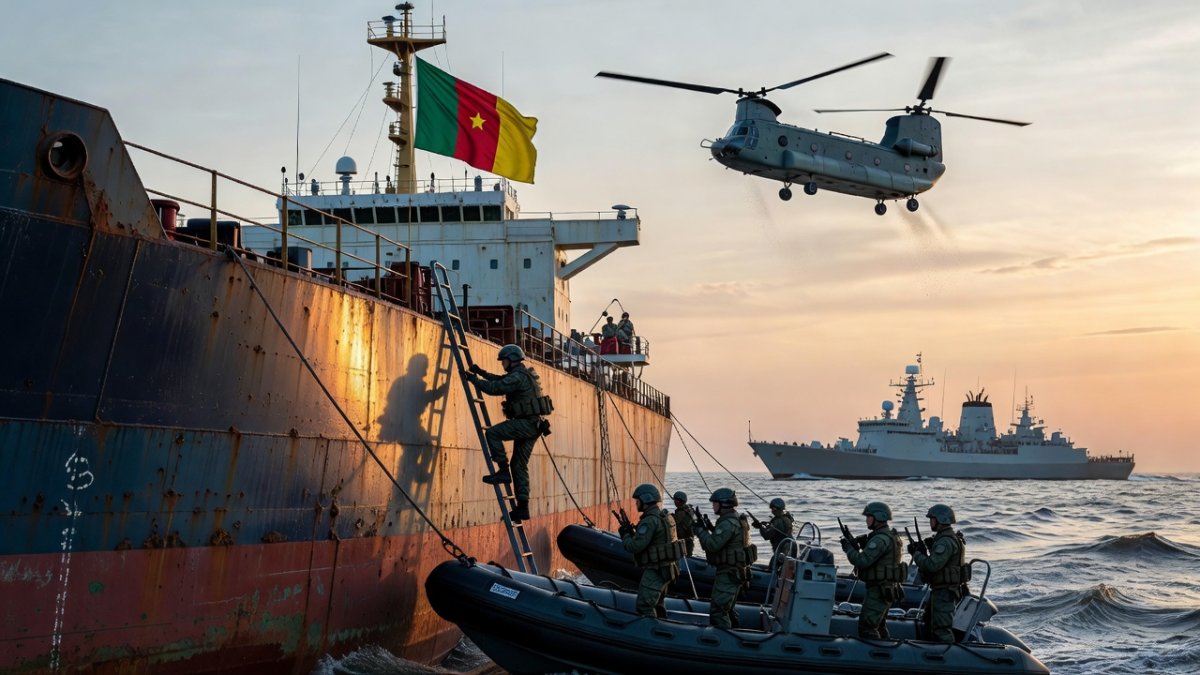
The interception operation details British forces on Sunday intercepted a sanctioned oil tanker belonging to Russia's shadow fleet in the English Channel. The six-hour operation was supported by Chinook helicopters and navy vessels including frigate HMS Sutherland. In the first U.K.-led operation of its kind, the vessel SMYRTOS was boarded by Royal Marine Commandos and speciall
The interception operation details
British forces on Sunday intercepted a sanctioned oil tanker belonging to Russia's shadow fleet in the English Channel. The six-hour operation was supported by Chinook helicopters and navy vessels including frigate HMS Sutherland. In the first U.K.-led operation of its kind, the vessel SMYRTOS was boarded by Royal Marine Commandos and specially trained law enforcement officers from the National Crime Agency, despite Russia's best efforts to evade sanctions and continue fueling its barbaric war with Ukraine, the British Defence Ministry said. The SMYRTOS was sailing under a Cameroonian flag and will be moved to an anchorage off the south coast of England and monitored closely by authorities.
The operation demonstrated precise coordination between multiple British military branches and law enforcement agencies operating together in challenging maritime conditions. Royal Marine Commandos executed the boarding while National Crime Agency specialists conducted on-site inspections of the vessel's documentation and cargo status. Chinook helicopters provided essential aerial support throughout the six-hour engagement, ensuring continuous surveillance and rapid response capability. HMS Sutherland maintained a commanding naval presence that prevented any attempted evasion by the tanker during the critical phases of the interception.
Defense officials emphasized that this action marked a significant escalation in direct enforcement measures against vessels attempting to bypass international restrictions. The SMYRTOS now remains under constant monitoring at its designated anchorage location along England's southern coastline. British authorities have confirmed that all aspects of the boarding complied with newly established legal frameworks for such interventions in domestic waters. This successful operation sets a precedent for future actions targeting similar vessels operating in the region.
UK government strategic shift and the March boarding law
In March, the UK announced forces could board and seize shadow fleet vessels in its waters. This followed Washington easing restrictions on Russian oil to soften soaring prices from the U.S.-Israel war against Iran. The government proposes legislation to prevent Russia from sabotaging subsea internet cables. Britain has around 64 major undersea telecoms cables that require enhanced protection measures against potential interference.
Prime Minister Keir Starmer described the interception as yet another blow to Russia and a reminder that those fueling Putin's war in Ukraine cannot hide from accountability. Defense Minister Dan Jarvis stated that Russia relies on its shadow fleet to fund their conflict in Ukraine and that the interdiction delivers a blow to Putin's illegal war. The U.K. has sanctioned hundreds of shadow fleet vessels since 2022, with the ships described as aging tankers with dubious ownership that are banned from U.K. ports and services. These measures reflect a broader strategic evolution in how London addresses maritime sanctions enforcement.
The March policy change enabled direct boarding actions that were previously limited to monitoring and diplomatic channels. Officials noted that the timing aligned with shifts in global energy markets influenced by developments in the Middle East. Enhanced legal authorities now allow British forces to act decisively when vessels enter territorial waters under suspicious circumstances. This framework supports ongoing efforts to restrict revenue flows that sustain external conflicts.
The shadow fleet as Kremlin lifeline
Russia relies on its shadow fleet to fund their conflict in Ukraine and the interdiction delivers a blow to Putin's illegal war, according to Defense Minister Dan Jarvis. The U.K. has sanctioned hundreds of shadow fleet vessels since 2022, with the ships identified as aging tankers featuring dubious ownership structures. These vessels operate outside standard regulatory oversight and continue to transport oil despite repeated international restrictions. Disrupting the shadow fleet was directly bearing down on the resources sustaining Russia's aggression in Ukraine and reducing its capacity to threaten security across Europe and beyond, Jarvis said.
The British Defence Ministry highlighted that the SMYRTOS operation represented the first U.K.-led boarding of its kind against such a vessel. Kremlin energy politics depend heavily on these covert shipping networks to maintain export revenues amid broader sanctions regimes. Western analysts note that the fleet's continued activity directly supports military expenditures in ongoing operations. Each successful interdiction reduces the financial resources available for sustained conflict efforts.
Officials from London stressed that shadow fleet operations involve complex ownership arrangements designed to obscure connections to Russian state interests. The revenue generated through these channels plays a central role in financing defense procurement and operational costs. British sanctions since 2022 have targeted hundreds of individual vessels in an attempt to curtail this economic pathway. The latest action underscores the determination to close loopholes that allow continued oil movements.
Baltic Sea and undersea cable hybrid war dimension
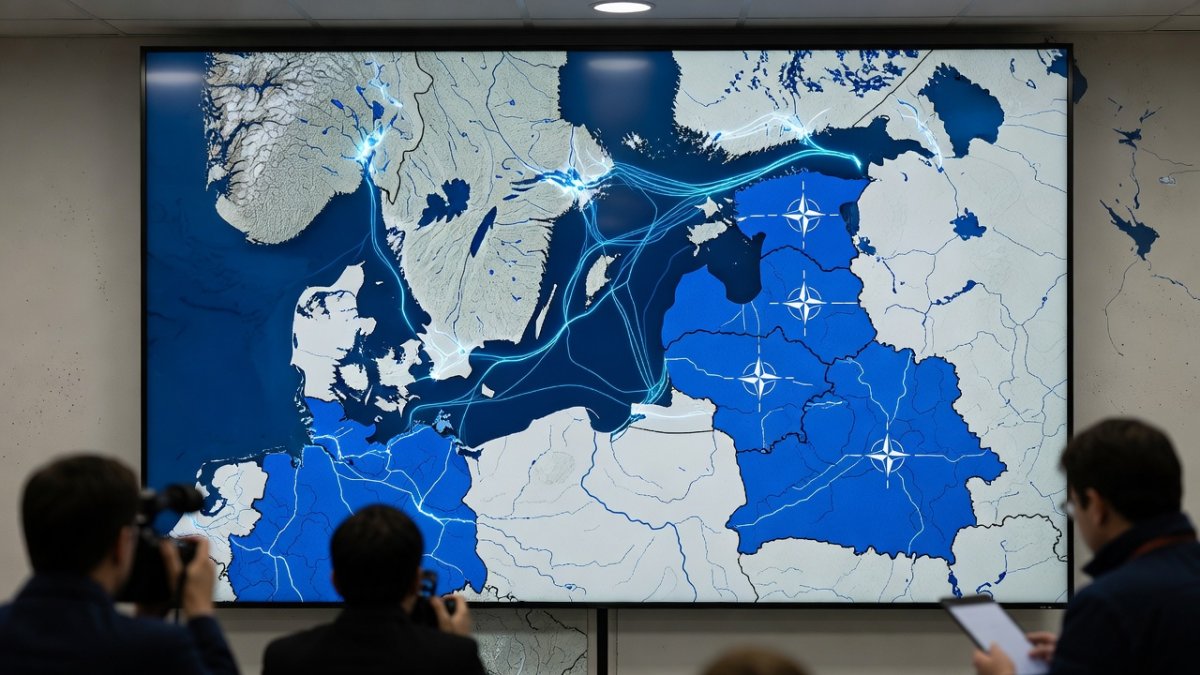
London says shadow ships are suspected of damaging undersea Baltic Sea cables. Since 2023, Baltic Sea cables and power lines have been damaged repeatedly. Military experts say Russia has escalated hybrid war in the Baltic, now bordered entirely by NATO except Russia. The government proposes legislation to prevent Russia from sabotaging subsea internet cables that form critical infrastructure links.
Britain has around 64 major undersea telecoms cables that connect the country to international networks and require vigilant protection. Former defense minister John Healey noted that armed forces tracked and deterred three Russian submarines on a month-long covert operation in UK waters near undersea cables and pipelines. These incidents illustrate the expanding scope of hybrid tactics employed in northern European waters. NATO members bordering the Baltic have increased patrols and monitoring in response to repeated cable disruptions.
The shadow fleet's suspected involvement in cable damage adds a security dimension beyond traditional sanctions enforcement. Russian activities in the region have prompted coordinated responses from multiple alliance partners concerned about infrastructure vulnerabilities. Enhanced legislation aims to criminalize interference with these vital communication lines. Analysts view the pattern of incidents since 2023 as evidence of deliberate efforts to test NATO response thresholds.
European coordination
The operation was carried out in close coordination with France. France, Belgium, Finland and other European countries have seized sanction-busting vessels in recent months. This collaborative approach strengthens collective enforcement against vessels attempting to evade restrictions across multiple jurisdictions. NATO allies have shared intelligence and operational resources to address the growing challenge posed by the shadow fleet.
Defense Minister Dan Jarvis emphasized that disrupting the shadow fleet bears down on resources sustaining Russia's aggression while reducing threats to security across Europe and beyond. The RAF supported the operation alongside naval and helicopter assets during the English Channel interception. European partners including Belgium and Finland have conducted similar actions that complement British efforts in the region. Such coordination reflects a unified stance against attempts to circumvent sanctions through maritime routes.
Joint operations allow for more effective coverage of key shipping lanes used by aging tankers with unclear ownership. France provided direct support during the SMYRTOS boarding, demonstrating practical alliance cooperation in real time. Finland and Belgium have contributed through their own seizures that limit the fleet's operational flexibility. These combined measures aim to constrain revenue streams that support external military activities.
Russia's expected response and Kremlin framing
The Kremlin has not officially commented on the latest interception. Russia's Foreign Ministry has previously dismissed Western shadow fleet claims as politically motivated. This pattern suggests that Moscow will likely continue to reject accusations while maintaining operational secrecy around its maritime networks. Officials in London anticipate further attempts at evasion as enforcement intensifies.
Western perspectives frame the shadow fleet as a direct enabler of conflict financing that must be confronted through decisive action. Russian statements have consistently portrayed sanctions and interdictions as unjustified interference in legitimate trade activities. The absence of an immediate Kremlin response to the SMYRTOS operation aligns with prior approaches to similar incidents. Analysts expect continued diplomatic pushback alongside adjustments in shipping practices.
Defense Minister Dan Jarvis noted that the interdiction serves as a reminder that vessels supporting the conflict cannot operate without consequence. The British government maintains that such actions protect broader European security interests from hybrid threats. Kremlin framing often emphasizes economic motivations behind Western policies rather than security concerns. This divergence in narratives underscores ongoing tensions over maritime sanctions enforcement.
John Healey resignation and defense funding implications
Former defense minister John Healey, who resigned this week over defense funding, said in April armed forces tracked and deterred three Russian submarines on a month-long covert operation in UK waters near undersea cables and pipelines. His departure highlights internal debates within the British government regarding resource allocation for maritime security. The resignation comes at a time when enforcement actions against shadow fleet vessels are expanding in scope and frequency.
Prime Minister Keir Starmer has maintained that operations like the SMYRTOS interception demonstrate Britain's commitment to countering threats despite budgetary pressures. John Healey's earlier statements on submarine tracking underscore the persistent nature of Russian naval activity around critical infrastructure. Defense funding discussions now intersect directly with the need for sustained capabilities in sanctions enforcement. The timing of the resignation adds political context to ongoing military operations in the English Channel.
British officials continue to prioritize protection of the 64 major undersea telecoms cables that support national communications. Healey's resignation this week has prompted renewed scrutiny of how resources are distributed across defense priorities. The government maintains that recent interdictions reflect effective use of available assets despite funding constraints. These developments occur alongside broader European efforts to address hybrid threats in the Baltic region.
Analysis: what this means for sanctions enforcement, Russia's war economy, global energy shipping
This could indicate a new phase in sanctions enforcement where direct boarding actions become more routine for Western navies operating in key waterways. Analysts suggest that repeated interdictions will gradually constrain the financial flows that sustain Russia's war economy through oil exports. The operation against SMYRTOS demonstrates how legal changes implemented in March enable more assertive measures against aging tankers with dubious ownership. Global energy shipping faces increased scrutiny as countries coordinate to limit shadow fleet movements.
Western perspectives emphasize that such actions reduce Russia's capacity to threaten security across Europe and beyond by targeting revenue sources. Russian officials have framed similar enforcement as politically motivated attempts to disrupt legitimate commerce. The close coordination with France during the English Channel operation points to expanding NATO-aligned responses to hybrid maritime challenges. This development may influence how other nations approach vessels suspected of involvement in Baltic Sea cable incidents since 2023.
Prime Minister Keir Starmer stated that the action delivers yet another blow to Russia and reminds those fueling Putin's war that they cannot hide. Defense Minister Dan Jarvis highlighted the direct impact on resources sustaining aggression in Ukraine. The combination of sanctions on hundreds of vessels since 2022 and new boarding authorities creates a more comprehensive enforcement regime. Over time these measures could reshape patterns in global energy shipping while pressuring the Kremlin to adapt its energy politics accordingly.
By Irina Volkov, Staff Writer
This article was produced with AI-assisted research and editorial support. Reporting is based on sources cited in the article.
What's Your Reaction?
 Like
0
Like
0
 Dislike
0
Dislike
0
 Love
0
Love
0
 Funny
0
Funny
0
 Wow
0
Wow
0
 Sad
0
Sad
0
 Angry
0
Angry
0
Russia/Eastern Europe Correspondent at Global1.News. Covering Russian politics, energy, security, and the shifting dynamics of the post-Soviet space. Provides clear-eyed analysis on one of the world's most opaque regions.














Comments (0)