
US-Iran Talks Advance Amid Leadership Vacuum
**Keywords:** US-Iran talks, Strait of Hormuz, Khamenei funeral, Mojtaba Khamenei, Doha mediation, Qatar Pakistan, frozen Iranian assets, nuclear program, CENTCOM Bahrain, Hezbollah Israel, Gulf security, Lake Lucerne Summit The sudden death of Iran’s Supreme Leader has intersected with a fragile interim deal aimed at halting a wider Middle East war, placing indirect diplomacy
**Keywords:** US-Iran talks, Strait of Hormuz, Khamenei funeral, Mojtaba Khamenei, Doha mediation, Qatar Pakistan, frozen Iranian assets, nuclear program, CENTCOM Bahrain, Hezbollah Israel, Gulf security, Lake Lucerne Summit
The sudden death of Iran’s Supreme Leader has intersected with a fragile interim deal aimed at halting a wider Middle East war, placing indirect diplomacy between Washington and Tehran at the center of regional calculations. Broader dynamics involving energy routes, nuclear ambitions, and proxy conflicts from the Gulf to the Levant now hinge on whether the momentum from recent Doha meetings can survive the leadership transition and implementation disputes.
US-Iran Indirect Diplomacy Advances Amid Leadership Vacuum and Regional War Doha, Qatar – March 6 — Mediators from Qatar and Pakistan announced Thursday that the next round of indirect talks between the United States and Iran will convene after the funeral processions for the late Supreme Leader Ayatollah Ali Khamenei.
US-Iran Indirect Diplomacy Advances Amid Leadership Vacuum and Regional War Doha, Qatar – March 6 — Mediators from Qatar and Pakistan announced Thursday that the next round of indirect talks between the United States and Iran will convene after the funeral processions for the late Supreme Leader Ayatollah Ali Khamenei.
Leadership Transition Shapes Iranian Negotiating Posture
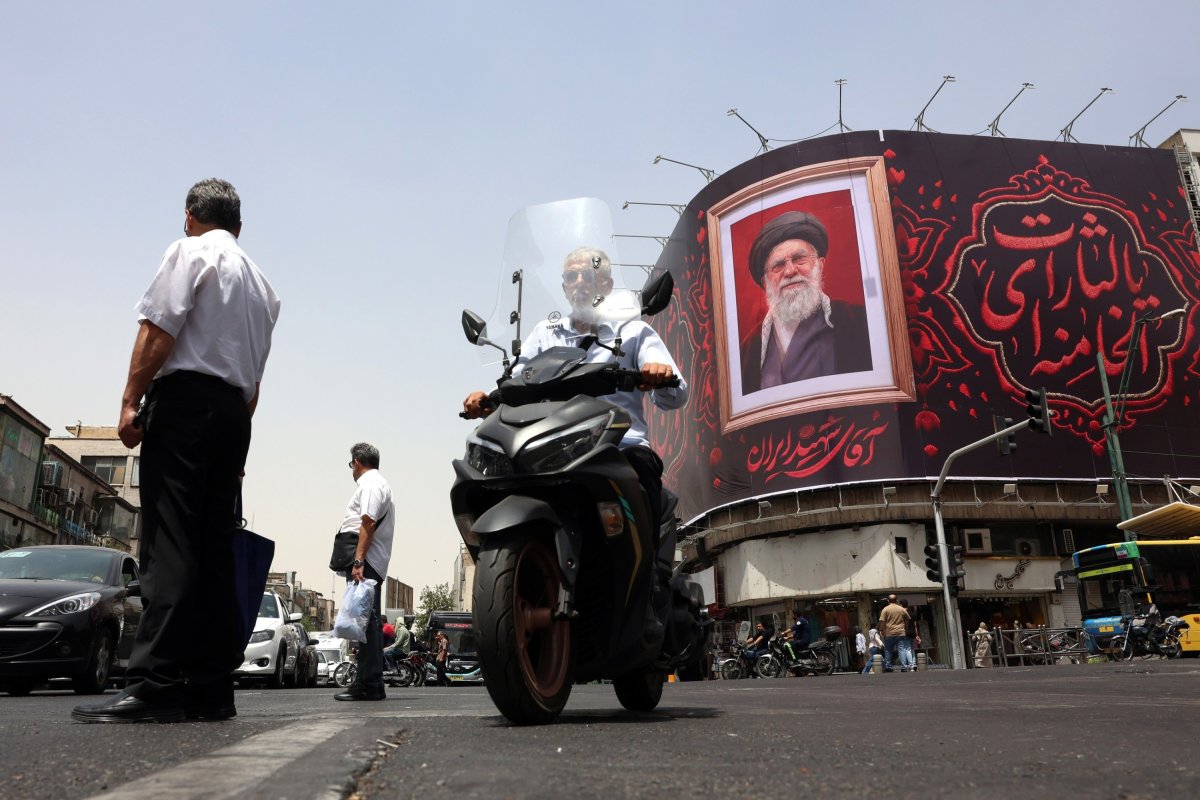
Ayatollah Ali Khamenei was killed aged 86 at his compound in Tehran on February 28, the first day of the current war. Power passed swiftly to his son Mojtaba, whose consolidation occurs against the backdrop of active hostilities and the need to maintain regime cohesion during sensitive diplomacy. Iran’s public funeral begins Saturday with the body lying in state, followed by burial on July 9 at the shrine of Imam Reza in Mashhad. This timeline creates a narrow window for negotiators to maintain continuity before domestic ceremonies dominate attention in Tehran. The succession introduces uncertainty into Iran’s red lines, particularly regarding sovereignty assertions over the Strait of Hormuz and demands for sanctions relief. Mojtaba Khamenei inherits a conflict that already includes direct exchanges with U.S. forces and Israeli operations in Lebanon.Doha Talks Produce Agreement on Continued Indirect Channel
Qatari and Pakistani mediators concluded separate meetings with U.S. and Iranian negotiators in Doha on Wednesday, reporting positive progress. Pakistan stated that the sides agreed to keep talking, with the next meeting set at the earliest possible time following the funeral processions. Iran’s Deputy Foreign Minister Kazem Gharibabadi led Tehran’s delegation and emphasized that no direct negotiations with the United States occurred. Foreign Ministry spokesman Esmaeil Baghaei reiterated that Iran had no plans for direct talks at any level in the coming days. The discussions built on the Lake Lucerne Summit and focused on implementing an interim memorandum to reopen the Strait of Hormuz and end hostilities. U.S. envoys Jared Kushner and Steve Witkoff did not participate in these technical-level sessions.Implementation Mechanisms Address Violations and Asset Releases
Gharibabadi confirmed that the sides agreed to establish a communications channel by Thursday to report and record alleged violations of the memorandum. This mechanism is intended to manage incidents that could derail the fragile ceasefire. Discussions also covered frozen Iranian assets. Officials reviewed the use of part of an initial $6 billion and agreed that goods needed by Iran would be purchased and made available, providing limited sanctions relief tied to compliance. These steps reflect Iran’s insistence on tangible economic benefits while the United States seeks verifiable steps on nuclear issues and maritime security. The communications channel is designed to prevent miscalculations in the Gulf where naval forces remain on high alert.Nuclear Question Remains Central Unresolved Issue
President Donald Trump told reporters before boarding Air Force One that “the denuclearization of Iran is moving along well.” He added that “we hit them very hard … but we’re getting along very well,” signaling continued pressure alongside diplomatic engagement. Major questions about Iran’s nuclear program still require resolution beyond the interim deal on the Strait of Hormuz. The Lake Lucerne Summit provided a framework, yet Tehran has not accepted direct talks that would accelerate deeper negotiations on enrichment limits. Iranian negotiators view any nuclear concessions as linked to broader sanctions relief and recognition of regional influence, while U.S. officials prioritize rollback of the program as a core objective before further economic gestures.Military Exchanges Test the Interim Ceasefire
Since the U.S.-Iran deal was signed last month, the sides have exchanged fire in the Gulf. Tehran targeted a commercial ship it said had strayed from its approved route through the Strait of Hormuz, prompting U.S. Central Command to strike 10 Iranian military targets. Iran then hit U.S. bases in Kuwait and Bahrain, drawing condemnation from both Gulf states. These incidents underscore the difficulty of maintaining the memorandum amid ongoing naval and missile activity. Chief negotiator Mohammad Bagher Ghalibaf noted Tuesday that when a war of this magnitude ends, implementation challenges, incidents, and differences of opinion are inevitable, especially where the Israeli regime is concerned.Gulf Security Competition Highlights Divergent Visions
CENTCOM led a regional security dialogue hosted by Bahrain with defense leaders from 12 nations, underscoring commitment to the free flow of commerce through the Strait of Hormuz. Gharibabadi responded that the strait “is defined under Iran’s command, not CENTCOM.” He added that a military summit in Bahrain cannot establish legal order and security for the Persian Gulf. Iran argues that regional security requires an end to interventions, U.S. withdrawal, respect for sovereignty, and acceptance of new geopolitical realities. This rhetorical clash reveals competing claims over maritime governance and the role of external powers in Gulf affairs, even as both sides pursue the limited goal of keeping the strait open for energy shipments.Lebanon Front Remains Linked to Any Final Settlement
Fighting between Israel and Hezbollah has been relatively quiet recently, yet Tehran continues to insist that any final deal must include an end to the Lebanon conflict and withdrawal of Israeli troops from the south. Hezbollah joined the wider war in March with rocket fire at Israel, triggering Israeli airstrikes and a ground invasion. Iranian officials have tied progress on the nuclear and maritime tracks to resolution of the Lebanon front. This linkage reflects Tehran’s strategy of using multiple pressure points to extract concessions across theaters. The quiet on the Lebanon front provides breathing room for the Doha channel, but any escalation there could quickly complicate the indirect talks and the funeral period in Iran.Strategic Calculus Reveals Core Objectives of Each Party
Iran seeks sanctions relief, access to frozen assets, and affirmation of its sovereignty over key waterways while navigating the post-Khamenei transition. The release of goods from the $6 billion tranche represents an early test of whether economic incentives can sustain compliance. The United States aims for nuclear rollback, stable Gulf energy flows, and reduced proxy activity, using both military strikes and diplomatic channels to shape Iranian behavior. Trump’s public optimism about denuclearization indicates continued emphasis on this priority. Gulf states, including hosts Qatar and Bahrain, prioritize security guarantees and the uninterrupted flow of commerce, balancing relations with both Washington and Tehran while hosting mediation efforts.Regional Implications Point to Prolonged Diplomatic Process
Energy markets remain sensitive to any disruption in the Strait of Hormuz, making successful implementation of the communications channel critical for global oil supplies. Continued indirect talks after the funeral could stabilize prices if incidents are contained. Alignment patterns across the region may shift depending on whether the Lebanon linkage produces concrete Israeli withdrawals or whether nuclear issues stall progress. The funeral timeline adds a layer of domestic Iranian politics that external powers must navigate carefully. Diplomacy going forward will likely feature repeated cycles of indirect meetings, violation reports, and incremental asset releases, with the risk that any major incident in the Gulf or Lebanon could reset the fragile process established in Doha. By Malik Hassan, Staff Writer at Global1.NewsThis article was produced with AI-assisted research and editorial support. Reporting is based on sources cited in the article.
What's Your Reaction?
 Like
0
Like
0
 Dislike
0
Dislike
0
 Love
0
Love
0
 Funny
0
Funny
0
 Wow
0
Wow
0
 Sad
0
Sad
0
 Angry
0
Angry
0

Dr. Raj Patel
India/South Asia Correspondent at Global1.News. Analytical voice with a background in science and health journalism. Based in New Delhi, covering Indian politics, education, healthcare, technology, and policy. Breaks down complex data into clear, actionable reporting.










Comments (0)