
US, Iran Delegates Meet in Switzerland as Strait of Hormuz Blockade Overshadows Diplomacy
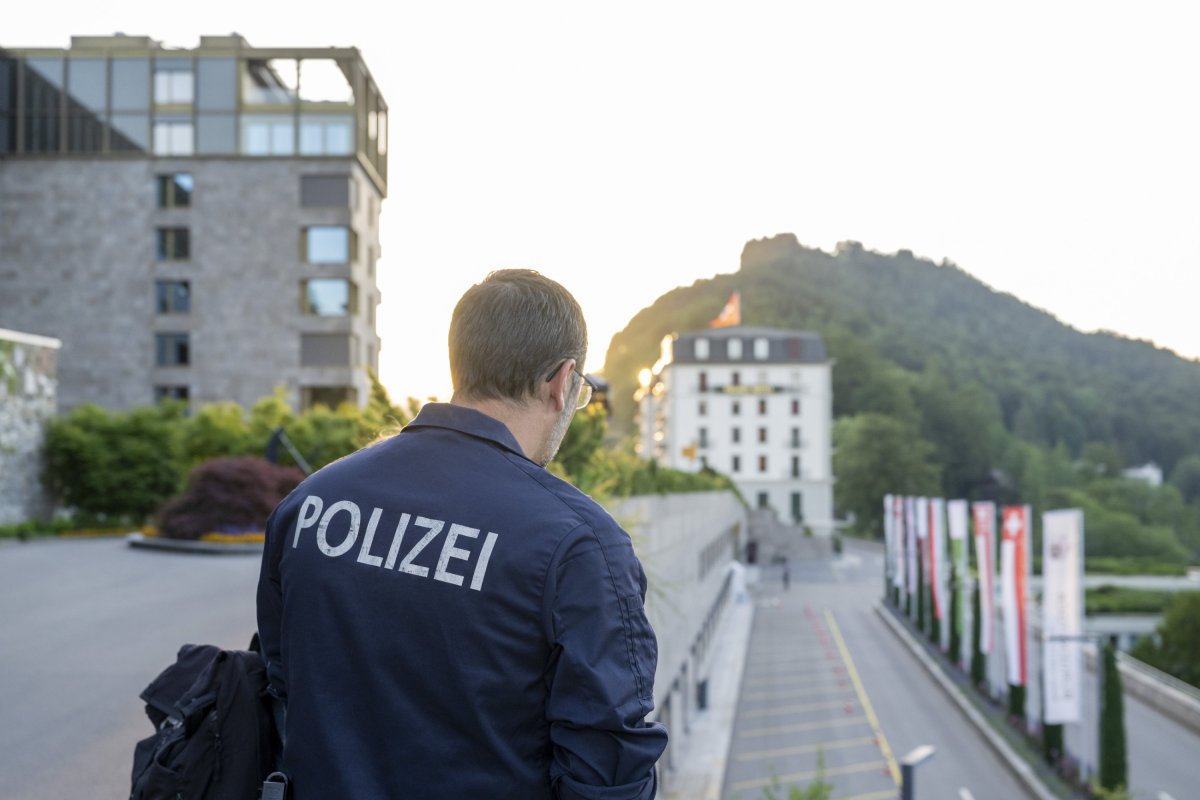
The Reimposition of the Strait of Hormuz Blockade and Its Immediate Triggers The decision by Iran to reimpose the Strait of Hormuz blockade on Saturday directly stems from the absence of any halt to Israeli attacks on Lebanon. This action follows the MoU reached the previous week that explicitly called for reopening the strait alongside a cessation of all hostilities, including
The Reimposition of the Strait of Hormuz Blockade and Its Immediate Triggers
The decision by Iran to reimpose the Strait of Hormuz blockade on Saturday directly stems from the absence of any halt to Israeli attacks on Lebanon. This action follows the MoU reached the previous week that explicitly called for reopening the strait alongside a cessation of all hostilities, including in Lebanon where Israeli forces had invaded in March. Iranian authorities cited the continued military operations as justification, with the IRGC issuing warnings that ships approaching the strait face risks. US officials countered by noting that 55 merchant ships crossed on Saturday, disputing the effectiveness of any closure, while Fars news agency referenced a military source halting transit permits. The strait previously carried one-fifth of global oil supplies before the February 28 US-Israeli strikes on Iran. This renewed measure carries the potential to drive oil prices higher when markets reopen on Monday, reversing the tumble to prewar levels that occurred after Trump approved the MoU to prevent a global depression triggered by elevated energy costs. Regional dynamics reveal how control over this critical chokepoint serves as leverage in broader negotiations, forcing all parties to weigh the economic fallout against military objectives that remain unmet.
Implementation Challenges Facing the Recent Memorandum of Understanding
The MoU outlines a structured 60-day period of talks aimed at curbing Iran's nuclear program in exchange for sanctions relief, including initial waivers and unfrozen assets for Tehran. However, Iranian Foreign Ministry spokesperson Baghaei clarified that the one-day talks in Switzerland would address only MoU implementation and exclude substantive next-phase issues, attributing this limitation to the US failure to guarantee a Lebanon ceasefire. This narrow scope highlights the fragile foundation of the agreement, which Trump endorsed specifically to avert worldwide economic disruption from sustained high oil prices. The blockade's return threatens to undermine the very price stability achieved post-MoU, illustrating second-order effects where unresolved regional conflicts spill into energy markets. Each side's strategic calculus centers on securing concessions without yielding core positions, with Iran maintaining transit restrictions as a direct response to ongoing Israeli operations. The cautious rollout of MoU provisions, described as coming into force only upon verified compliance, underscores the mutual distrust that could prolong instability across the Middle East if Lebanon remains a flashpoint.
US Vice President JD Vance's Objectives in Burgenstock Negotiations
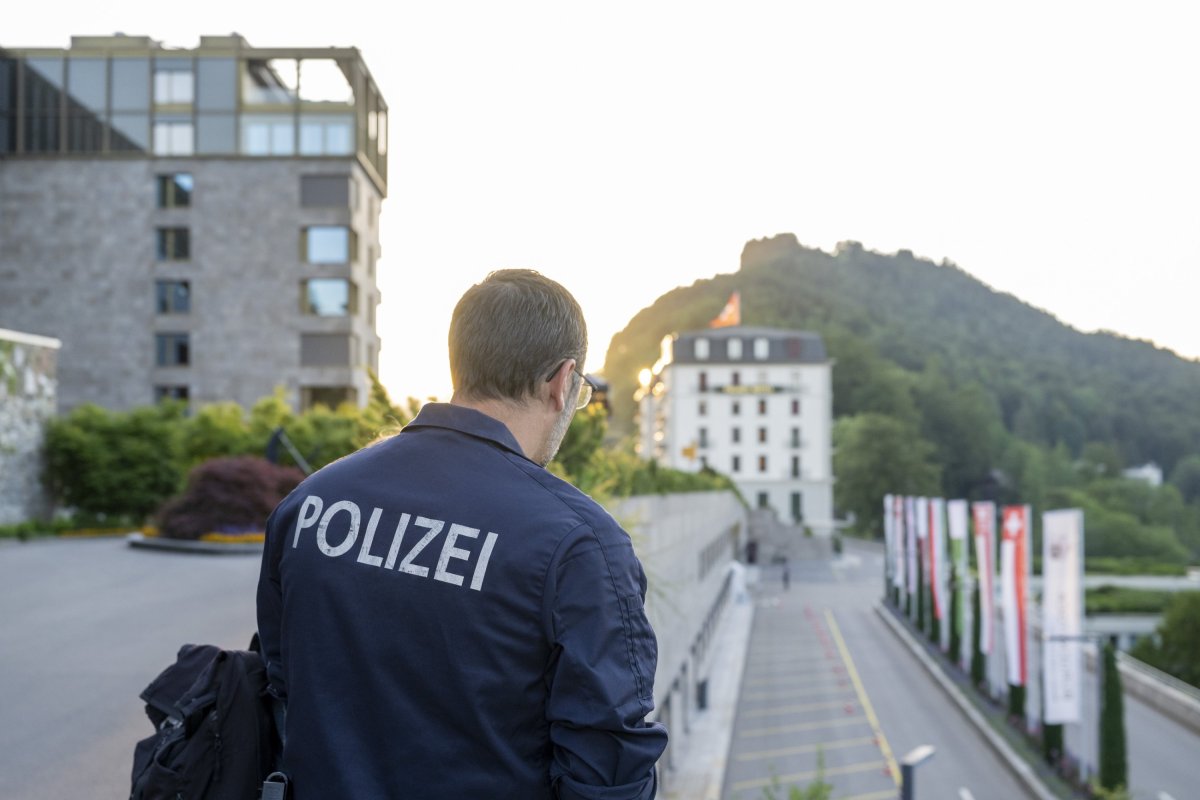
US Vice President JD Vance arrived in Burgenstock, Switzerland, on Sunday to engage Iranian counterparts, marking the first such meeting in over two months and focusing on advancing both nuclear discussions and a Lebanon ceasefire. Vance's presence signals Washington's intent to build on the MoU by securing progress that prevents further escalation in oil markets. US officials have assessed that Iran's military suffered severe damage from prior strikes yet continue to anticipate a nuclear deal emerging from these talks. The strategic calculus involves balancing pressure on Tehran with the need to stabilize global energy flows, particularly as the renewed blockade risks reversing recent price declines. Regional dynamics show the US seeking to isolate the nuclear file from Lebanon's battlefield realities, though Iranian statements tie the two issues tightly together. Leverage rests in the promise of sanctions relief and asset unfreezing, but only if implementation proceeds without additional disruptions. Second-order effects could include strengthened Iranian negotiating posture if the blockade persists, compelling further US diplomatic concessions to achieve the MoU's intended outcomes.
Iran's Delegation Composition and Negotiation Posture
Iran's delegation to the Swiss talks includes Foreign Minister Araghchi along with senior officials from security, central bank, and oil sectors, reflecting a comprehensive approach to the MoU's economic and security dimensions. This team structure allows Tehran to address sanctions relief, asset unfreezing, and energy transit issues simultaneously during discussions limited to implementation matters. Iranian representatives have emphasized that broader next-phase topics remain off the table due to the lack of US guarantees on Lebanon. The strategic calculus here involves preserving leverage through the Strait of Hormuz while testing US commitment to the ceasefire component of the agreement. Regional dynamics connect these talks to ongoing hostilities, where Iran's support for Lebanese resistance ties directly to its own security calculations. By including oil and central bank experts, Iran signals readiness to discuss practical steps for reopening the strait once conditions are met, yet the blockade's reimposition demonstrates willingness to escalate if Israeli actions continue. Second-order effects may involve prolonged uncertainty in global oil supplies, pressuring all parties toward incremental compliance with MoU terms.
Israeli Military Operations in Southern Lebanon and Ceasefire Violations
Israeli strikes in southern Lebanon on Sunday resulted in at least seven deaths, including a child, while the Lebanese army continues dismantling unexploded 450kg and 900kg bombs. The Netanyahu government has stated it will not withdraw from seized southern Lebanese territory, directly contradicting the MoU's call for halting all hostilities. The IRGC has accused Israel of repeated ceasefire violations, using these incidents to justify renewed restrictions on Strait of Hormuz transit. This situation creates leverage for Iran in the Swiss talks by linking nuclear concessions to verifiable Lebanese de-escalation. Regional dynamics reveal how Israel's March invasion and subsequent operations have become a central obstacle to MoU implementation, with US officials unable to provide the guarantees Tehran demands. Strategic calculus on the Israeli side prioritizes territorial control despite domestic unpopularity of the wider war, while second-order effects include sustained Iranian pressure on energy routes that could affect global markets. The absence of Israeli participation in the peace talks further complicates efforts to achieve the comprehensive halt to hostilities outlined in the agreement.
Mediator Role of Pakistan in Facilitating US-Iran Dialogue
Pakistan Prime Minister Shehbaz Sharif and the army chief have been positioned as mediators in the Burgenstock process, providing a neutral channel between US Vice President JD Vance and Iranian Parliament Speaker Ghalibaf. This involvement introduces additional regional actors into the equation, potentially helping bridge gaps on MoU implementation related to the Strait of Hormuz and Lebanon. The mediators' presence reflects the broader Middle East context where multiple states hold stakes in preventing oil price surges that could trigger economic downturns. Strategic calculus for Pakistan centers on maintaining influence in Gulf energy security while supporting diplomatic off-ramps. US officials continue to express expectations for a nuclear deal despite acknowledging severe damage to Iranian military capabilities, suggesting mediators may help navigate the narrow focus of current talks. Second-order effects include possible expansion of the mediator framework if one-day discussions yield limited results, tying into the 60-day timeline for nuclear curbs and sanctions relief. Regional dynamics show how such third-party engagement can stabilize negotiations amid ongoing Israeli operations that threaten the MoU's core provisions.
Israeli Domestic Opinion and Its Influence on Regional Strategy
A Hebrew University poll indicated that 92 percent of Israelis believe Iran benefited more from the conflict, while 90 percent stated that war goals—including destroying Iran's nuclear program, stopping missile and proxy threats, and overthrowing the government—remain unmet. The war's deep unpopularity within Israel, combined with the country's exclusion from the Swiss peace talks, shapes the Netanyahu government's reluctance to withdraw from southern Lebanon. This domestic pressure creates constraints on flexibility during MoU implementation, as any perceived concessions could face internal backlash. Regional dynamics illustrate how Israeli public sentiment reinforces hardline positions on Lebanon, directly impacting Iran's willingness to lift the Strait of Hormuz blockade. US negotiators must account for these realities when pursuing progress on both nuclear issues and ceasefires, recognizing that unmet objectives have shifted leverage toward Tehran. Second-order effects may involve prolonged stalemate if Israeli domestic politics prevent alignment with the agreement's requirements for halting hostilities, sustaining risks to global oil transit through the strait.
Economic Risks from Potential Oil Price Surges and Global Ramifications
Renewed closure of the Strait of Hormuz carries the prospect of oil prices surging when markets reopen on Monday, undoing the stability achieved after Trump approved the MoU to avert a global depression from elevated energy costs. The waterway's pre-strike role in carrying one-fifth of global supplies amplifies these vulnerabilities, with Iranian measures already affecting transit permits according to some reports. US officials dispute full closure by citing 55 merchant ship crossings, yet the threat alone influences market expectations. Strategic calculus for all parties involves balancing short-term energy leverage against long-term sanctions relief outlined in the 60-day nuclear talks. Regional dynamics connect these economic pressures to Lebanon's unresolved conflict, where continued Israeli operations prevent the comprehensive ceasefire needed for MoU progress. Second-order effects could include accelerated diplomatic efforts by mediators like Pakistan to secure implementation steps, including initial waivers and asset unfreezing for Iran. The cautious phrasing around provisions coming into force highlights how economic interdependence shapes Middle East negotiations amid persistent hostilities.
Prospects for Progress on Nuclear and Lebanon Tracks in Ongoing Talks
Vance's meetings with Ghalibaf aim to advance both nuclear program curbs and a Lebanon ceasefire within the MoU framework, though Iranian statements limit the current session to implementation details only. The delegation makeup on both sides, including US representatives Witkoff and Kushner alongside Iranian security and economic officials, facilitates technical discussions on sanctions relief and transit issues. US assessments of damaged Iranian military capabilities coexist with expectations for a deal, while Israeli public opinion polls reveal widespread views that original war objectives went unfulfilled. Regional dynamics tie these elements together, as the blockade's reimposition responds directly to southern Lebanon strikes that killed civilians and left unexploded ordnance. Strategic calculus suggests incremental steps on the 60-day timeline could unlock waivers if Lebanon guarantees materialize, yet the Netanyahu government's refusal to withdraw complicates this path. Second-order effects may encompass sustained mediator involvement to prevent further price volatility, underscoring the interconnected nature of energy security and conflict resolution across the Middle East. By Malik Hassan, Staff Writer
This article was produced with AI-assisted research and editorial support. Reporting is based on sources cited in the article.
What's Your Reaction?
 Like
0
Like
0
 Dislike
0
Dislike
0
 Love
0
Love
0
 Funny
0
Funny
0
 Wow
0
Wow
0
 Sad
0
Sad
0
 Angry
0
Angry
0
Middle East Correspondent at Global1.News. Based in Beirut, covering politics, conflict, energy, and society across the Middle East. Brings context and depth to a region often reduced to headlines.











Comments (0)