
Russian Regions Begin Odd-Even Gasoline Rationing
The Rollout of Odd-Even Gasoline Rationing in Multiple Russian Regions The central Oryol region became the first to implement license-plate-based gasoline restrictions last month. Under the rules, drivers whose plates begin with an odd digit may purchase fuel only on odd-numbered days, while those with even digits—including zero—are limited to even-numbered days. This measure w
The Rollout of Odd-Even Gasoline Rationing in Multiple Russian Regions
The central Oryol region became the first to implement license-plate-based gasoline restrictions last month. Under the rules, drivers whose plates begin with an odd digit may purchase fuel only on odd-numbered days, while those with even digits—including zero—are limited to even-numbered days. This measure was introduced to manage growing lines at filling stations caused by supply shortfalls.
On Thursday the Nizhny Novgorod region, the republic of Mordovia, and the city of Astrakhan adopted identical restrictions. The Pskov region followed on Friday, with Lipetsk and Kirov regions implementing the same system shortly afterward. Reports indicate that Ivanovo, Tambov, and Yaroslavl regions are considering comparable steps, bringing the total number of affected areas to at least six.
Regional authorities in these locations have coordinated with local fuel distributors to enforce the calendar-based limits at stations. The policy reflects efforts by regional governments to allocate scarce supplies without immediate resort to more stringent nationwide controls.
Ukrainian Drone Campaigns Targeting Russian Oil Refineries Since Spring
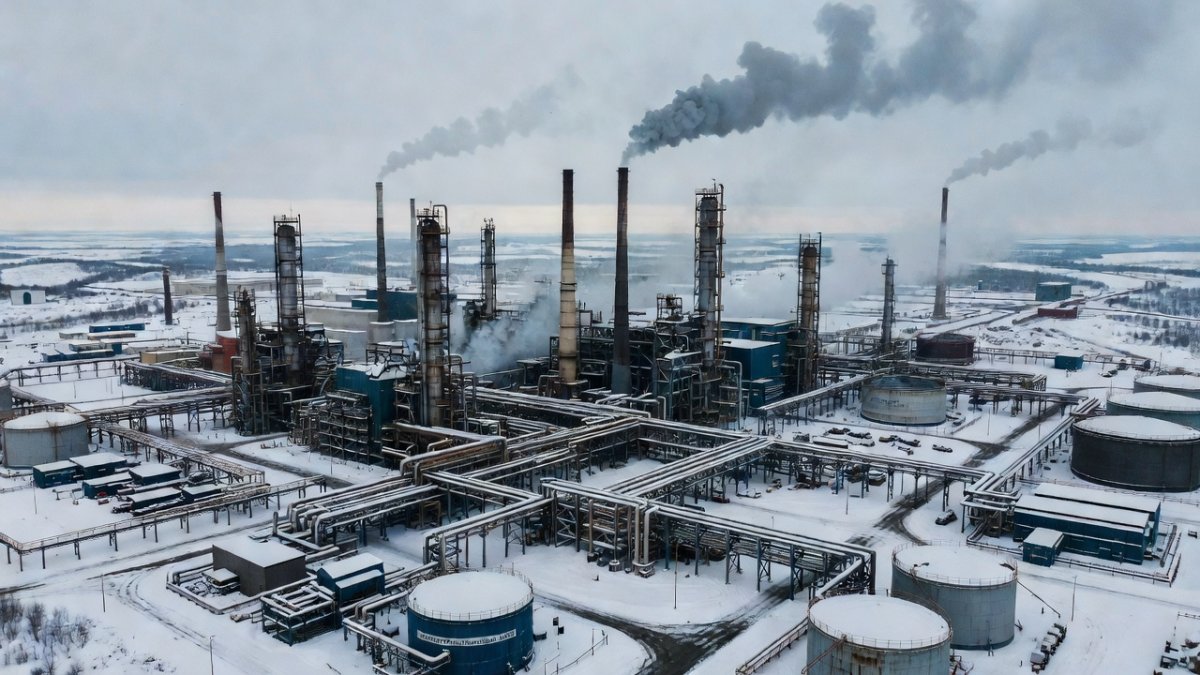
Since spring, Ukrainian forces have conducted repeated drone strikes against Russian oil-refining capacity. These operations have affected facilities that together represent a substantial portion of domestic gasoline production, forcing several plants to halt or reduce output for extended periods.
The strikes form part of a broader campaign against energy infrastructure. Russian officials have described the attacks as deliberate attempts to disrupt fuel supplies for both civilian and military use. Ukrainian statements have framed the targets as legitimate components of the logistics supporting Russian operations.
Industry observers note that the concentration of refining capacity in a limited number of locations has amplified the impact of each successful strike. Repairs at damaged sites have proceeded unevenly, contributing to persistent regional imbalances in fuel availability.
President Putin’s June Statement on the Emerging Shortage
In June, President Vladimir Putin publicly recognized that Russia faces a “certain shortage” of fuel linked directly to the Ukrainian strikes. His remarks marked the first high-level confirmation of the supply difficulties that had already prompted regional rationing measures.
The statement came amid rising retail prices and visible queues at stations across central and southern Russia. Kremlin spokespersons have since attributed the shortfall exclusively to external attacks rather than domestic production or distribution failures.
Opposition voices and independent analysts have interpreted the acknowledgment as evidence that the cumulative effect of strikes has begun to constrain resources previously assumed to be secure. Official media outlets have emphasized that the problem remains temporary and manageable through existing state mechanisms.
Economic Consequences for Domestic Markets and Trade Policy
The reduction in refinery throughput has driven gasoline prices higher in multiple regions and prompted the federal government to impose temporary export bans on diesel, gasoline, and jet fuel. These prohibitions aim to retain available volumes for internal consumption.
Russia has also begun importing gasoline from Belarus and India to offset domestic shortfalls. The shift marks a reversal from the country’s usual position as a net exporter of refined products and underscores the immediate pressure on supply chains.
Energy analysts connected to Russian industry sources expect that the combination of resumed refinery operations and increased imports could ease tensions later in July. However, any additional successful strikes on remaining facilities would likely reverse those gains and intensify price volatility.
Daily Realities for Motorists Facing Extended Lines at Fuel Stations
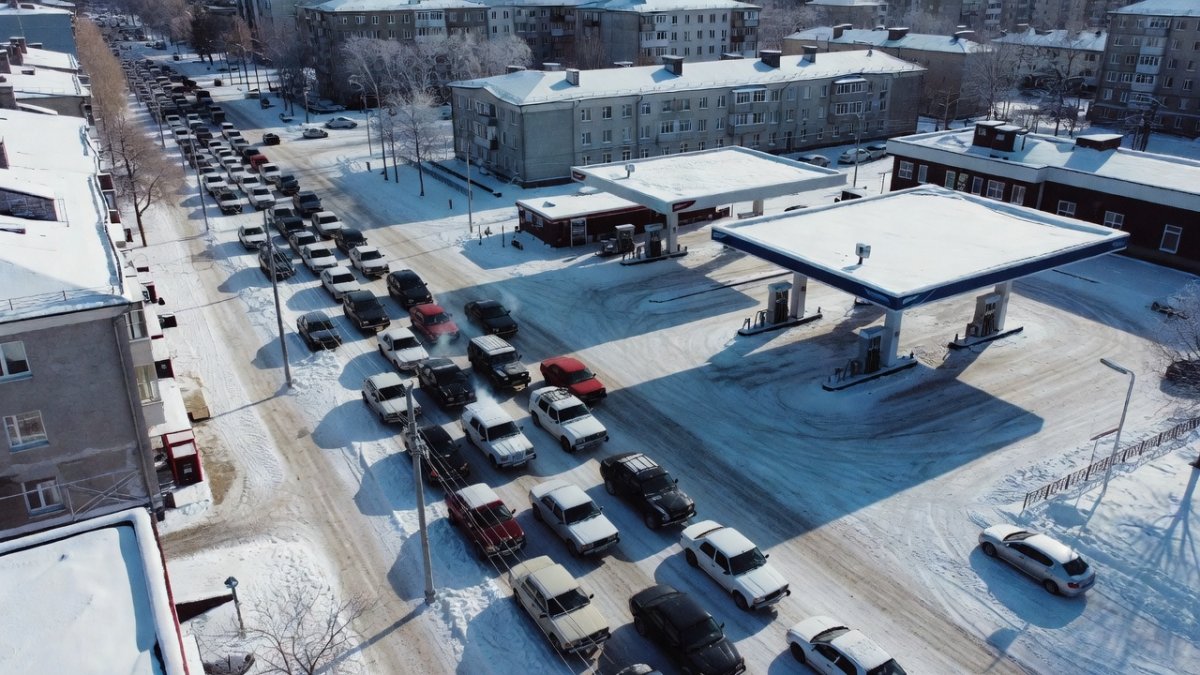
Motorists across the affected regions have reported waiting for hours at filling stations as supplies dwindle. The odd-even system has not eliminated queues but has redistributed demand across alternate days, creating predictable patterns of congestion.
Residents in Oryol, Nizhny Novgorod, and Astrakhan describe altered travel routines, with some deferring non-essential trips or coordinating purchases with neighbors who hold complementary license-plate numbers. Commercial drivers operating delivery vehicles have faced particular difficulties maintaining schedules under the calendar restrictions.
Local media in these areas have documented scenes of vehicles lined up along approach roads to major stations, reflecting the strain on ordinary citizens who rely on personal transport for work and family obligations. Regional officials have urged patience while promising continued monitoring of stock levels.
Import Arrangements and Hopes for Stabilization Later in July
Deliveries from Belarus and India have begun arriving at Russian terminals to supplement reduced domestic output. These shipments are being distributed through existing wholesale networks to priority regions experiencing the most acute shortages.
Industry contacts cited by Reuters anticipate that returning refinery capacity and the new import flows should produce measurable relief by the second half of July. Maintenance schedules at undamaged plants are being accelerated to support this timeline.
Nevertheless, the same sources caution that sustained Ukrainian pressure on energy targets could outpace these corrective measures. Further disruptions would likely require additional administrative interventions beyond the current export bans and regional rationing.
Revelations About the Cumulative Costs of the Conflict for Kremlin Energy Strategy
The spread of odd-even rules across six regions illustrates how attacks on refining infrastructure have translated into visible constraints on civilian mobility and regional economies. This development highlights the exposure of Russia’s centralized energy system to sustained external pressure.
Post-Soviet patterns of concentrating refining capacity in a handful of large facilities have proven vulnerable under current conditions. The Kremlin’s reliance on these assets for both domestic supply and export revenue now carries direct implications for internal stability in multiple federal subjects.
Perspectives from Russian security analysts emphasize the need to accelerate defensive measures around remaining infrastructure, while Ukrainian officials continue to present the strikes as effective leverage against Russian logistical capabilities. The resulting fuel pressures therefore serve as a concrete indicator of the broader economic and administrative burdens generated by the ongoing conflict.
By Irina Volkov, Staff WriterThis article was produced with AI-assisted research and editorial support. Reporting is based on sources cited in the article.
What's Your Reaction?
 Like
0
Like
0
 Dislike
0
Dislike
0
 Love
0
Love
0
 Funny
0
Funny
0
 Wow
0
Wow
0
 Sad
0
Sad
0
 Angry
0
Angry
0

Russia/Eastern Europe Correspondent at Global1.News. Covering Russian politics, energy, security, and the shifting dynamics of the post-Soviet space. Provides clear-eyed analysis on one of the world's most opaque regions.












Comments (0)