
Zelenskyy Creates 'Global Impact Command' as Ukraine Strikes Deep Into Russia — Diesel Exports Banned, Wheat Prices Spike
Zelenskyy Creates 'Global Impact Command' as Ukraine Strikes Deep Into Russia — Diesel Exports Banned, Wheat Prices Spike Zelenskyy Creates 'Global Impact Command' as Ukraine Strikes Deep Into Russia — Diesel Exports Banned, Wheat Prices Spike Listen, the war just hit another gear on day 1,599. July 10, 2026, and everything shifted. Zelenskyy didn't whisper about it. He signed
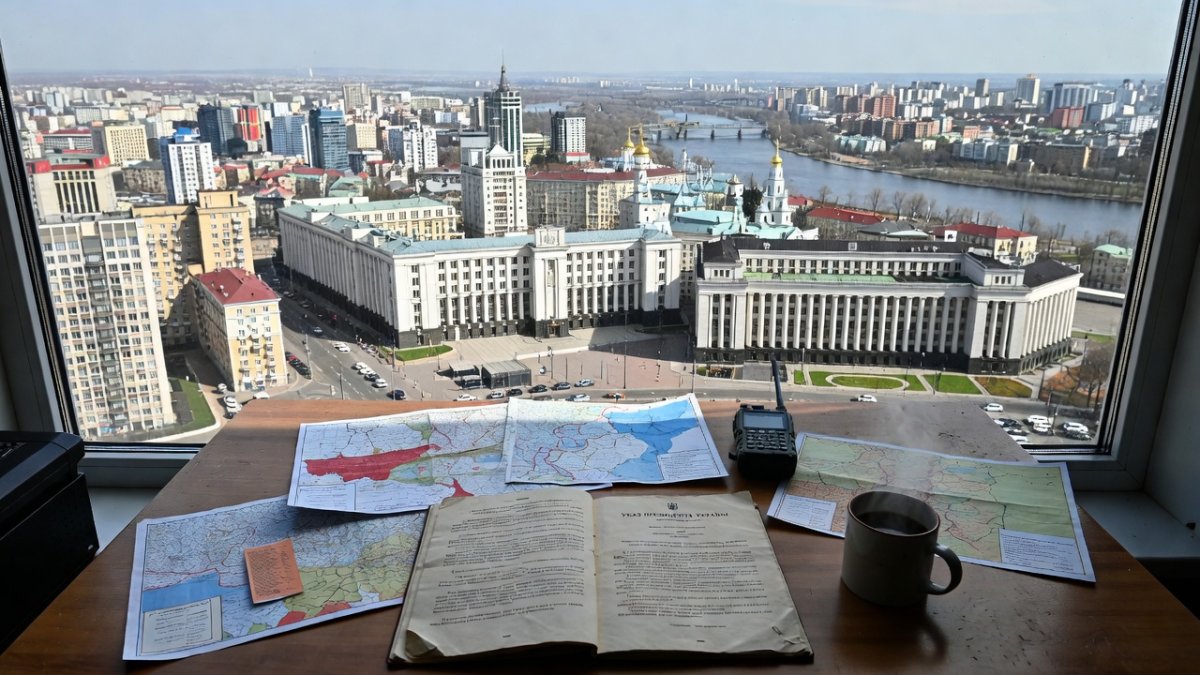
Zelenskyy Creates 'Global Impact Command' as Ukraine Strikes Deep Into Russia — Diesel Exports Banned, Wheat Prices Spike
Zelenskyy Creates 'Global Impact Command' as Ukraine Strikes Deep Into Russia — Diesel Exports Banned, Wheat Prices Spike Listen, the war just hit another gear on day 1,599. July 10, 2026, and everything shifted. Zelenskyy didn't whisper about it. He signed Decree No. 593/2026 and stood up a Long-Range Impact Command built for one job: reach deep, hit hard, and keep Moscow's war machine from breathing easy. This isn't theater. This is Ukraine saying the old rules of distance and denial are done. The move marks the largest restructuring of Ukraine's strike capabilities since the start of the war, according to multiple outlets tracking the conflict including Reuters, The Guardian, Al Jazeera, United24, Bloomberg, and the Kyiv Independent. The Guardian's July 11 war briefing captured the moment as a decisive pivot, one that pairs centralized long-range planning with a new rapid-response element designed to sustain pressure without pause.The Decree That Changes Everything
Picture this. One signature on Decree No. 593/2026 and suddenly Ukraine has a dedicated command inside its armed forces for long-range, effectively global impact on Russia. Zelenskyy said it plain: "I signed a decree establishing a special command within the Armed Forces — a command for long-range, effectively global, impact on Russia over this war." No hedging. No apology. The man looked at the map and decided the fight needed reach that actually matches the threat. The decree simultaneously established the Joint Rapid Response Force, creating a paired structure that allows Ukraine to both plan sustained deep operations and execute them with speed. This dual creation on July 10, 2026, represents the most significant overhaul of strike architecture since the invasion began, shifting from ad-hoc responses to a permanent institutional framework.
Alongside that came the Joint Rapid Response Force. Both moves land on the same day, July 10, 2026. The new structure centralizes everything so strikes can systematically chip away at Russia's military potential. We're talking 100 percent focus on damaging Moscow's ability to keep feeding the front lines. Fuel depots, command nodes, logistics hubs — the targets just got a permanent address inside Ukrainian planning. The Long-Range Impact Command, also referred to as the Global Impact Command in early reporting, pulls together specialized offensive capabilities that previously operated in separate silos. By concentrating these assets under one roof, Ukraine gains the ability to sequence operations across weeks rather than days, ensuring that each strike builds on the last to erode Russia's logistical backbone.
You can feel the rhythm change. Before, responses felt scattered. Now there's a single nervous system built for distance. That quote from Zelenskyy isn't just words on paper. It's the blueprint. Ukraine is done playing defense at the border. The command exists to make every Russian decision about resupply more expensive and more dangerous. Day 1,599 just became the day the reach went global in name and in practice. Coverage from The Guardian's July 11 briefing and Al Jazeera's July 10 dispatch underscored how the decree reframes the conflict's tempo, moving Ukraine from reactive defense to proactive degradation of the adversary's war-sustaining systems.
Russia's Fuel Crisis Just Got Real
Russia didn't wait for the ink to dry. They banned diesel exports through at least the end of July. That's not a drill. That's Moscow admitting the hits are landing where it hurts most. Ukrainian strikes have already forced the hand, and Russian Deputy PM confirmation makes it official: drone attacks are creating real fuel shortages inside the country. Al Jazeera reported on July 10 that the ban extended to gasoline as well, a broader measure reflecting the scale of disruption already felt at refineries and distribution points. The Deputy PM's acknowledgment tied the shortages directly to Ukrainian drone operations, confirming what battlefield reports had suggested for weeks.
Then came the shipping restrictions near the Sea of Azov. Moscow is tightening the noose on its own waters because the alternative is watching more tankers and more supply lines get picked apart. You don't restrict your own movement unless the pressure is biting. Diesel is the lifeblood of any army on the move. Cut that and the whole machine slows down. The restrictions limit commercial and military traffic alike, forcing rerouting that adds days and costs to every convoy heading toward the front. Combined with the export ban, these steps reveal a leadership reacting to cumulative losses rather than anticipating them.
Think about what this looks like on the ground. Trucks that used to roll without question now sit waiting. Depots that once looked full are running lean. The ban through July tells you the shortages aren't temporary. They're the direct result of a command that now has the green light to keep going after the same targets. Ukraine isn't guessing anymore. They're measuring the impact in real time and adjusting the next wave. The Long-Range Impact Command's 100 percent focus on military potential means fuel infrastructure remains a priority, turning each successful strike into measurable delays for Russian logistics planners.
Grain Markets Feel the Heat
Overnight strikes didn't just touch fuel. They tagged grain export gateways too. Bloomberg laid it out: wheat prices spiked the moment those hits registered. Russia may have started the war, but the ripple effects are global and they're hitting your grocery bill whether you follow the front lines or not. The strikes on export corridors demonstrated how the new command can simultaneously target military sustainment and economic throughput, creating dual pressure that forces Moscow to choose between protecting fuel lines or grain terminals.
The new Long-Range Impact Command isn't hiding its focus. When logistics nodes that move grain get added to the target list, the market reacts in hours. Prices don't care about politics. They care about supply. And right now supply just got more uncertain because Ukraine is treating every Russian export corridor as fair game in the effort to starve the war effort of cash and capacity. The price spike recorded by Bloomberg illustrated immediate investor concern that repeated strikes could constrict Black Sea and Azov shipments for weeks, amplifying volatility already present from earlier phases of the conflict.
July 10, 2026, wasn't a one-off. It was the public launch of a system designed to keep that pressure constant. Grain, diesel, whatever moves the Russian economy forward — the command exists to make all of it cost more. Markets are already pricing in the new reality. You can watch the charts or you can watch the decree. Both tell the same story: the reach just got longer and the consequences just got louder. The Guardian's July 11 briefing noted that analysts viewed the grain-terminal strikes as proof the centralized command can pivot between target sets without losing momentum.
Kyiv Under Fire
Same day, July 10, Russia answered back. Missiles and drones slammed into Kyiv. Six people injured. That's the grim math of this war on day 1,599. Ukraine announces a command built for deep strikes and Moscow immediately tries to remind everyone that the capital isn't safe either. The timing of the attack, coinciding with the decree signing, underscored the reciprocal nature of long-range operations that both sides now accept as routine.
But here's the thing. The attacks on Kyiv didn't stop the decree. They didn't pause the planning. They just proved why the Long-Range Impact Command exists in the first place. Every Russian strike on civilian areas is another data point showing that distance alone never protected anyone. Ukraine is simply refusing to stay inside the old limits. Reports from Reuters and the Kyiv Independent documented the injuries and damage, framing the assault as a predictable counter-move that failed to disrupt the structural changes already underway.
Reuters, The Guardian, Al Jazeera, United24 — the coverage rolled in fast because the moves were that big. The world is watching a country that refuses to accept that Russia gets to hit deep while Ukraine stays polite. Six injured in Kyiv is six too many. The response isn't more suffering. It's a command structure built to make the cost unbearable on the other side. United24 and Al Jazeera both highlighted how the decree signing proceeded uninterrupted, signaling institutional commitment that survives individual retaliatory barrages.
What This Means for the Trajectory
Step back and the picture sharpens. Decree No. 593/2026 isn't a press release. It's infrastructure. A dedicated command plus a rapid response force means Ukraine can now sequence strikes instead of reacting to them. The goal is explicit: reduce Russia's military potential until the math no longer works for Moscow. The 100 percent mission focus on degrading war-making capacity, paired with the Joint Rapid Response Force, creates a feedback loop where intelligence on fuel shortages or export disruptions can immediately inform the next targeting cycle.
Fuel bans, shipping limits, grain price spikes — these aren't side effects. They're the first returns on the new approach. Russia is already adjusting its own rules because the hits are landing. That tells you the command is doing exactly what it was stood up to do. The war doesn't end tomorrow, but the cost curve just tilted harder against the side that started it. The Guardian's July 11 briefing and Bloomberg's market data together show how economic and military effects are now linked through a single operational headquarters.
Day 1,599 used to feel like another number in a long count. After July 10, 2026, it feels like a line in the sand. Ukraine has the tools and the mandate to keep reaching. Moscow's responses — export bans, tighter waters, retaliatory strikes — show they're feeling it. The trajectory isn't mysterious anymore. It's measurable in shortages, in prices, and in the steady expansion of what Ukraine is now organized to hit. The largest restructuring since the war began has placed Ukraine in position to sustain that expansion for months rather than weeks.
What You Can Do Right Now
You don't have to sit on the sidelines while the map redraws itself. Stay locked on the reporting from outlets that actually track the strikes and the decrees instead of the spin. Share the facts about Decree No. 593/2026 and what the Long-Range Impact Command is built to do. Knowledge moves faster than propaganda when enough people carry it. The Guardian's July 11 briefing and Al Jazeera's July 10 dispatch provide clear timelines that cut through competing narratives.
Support the organizations on the ground that are already helping with fuel, grain, and civilian protection in the regions getting hit. Pressure your representatives to keep sanctions aligned with the new reality instead of letting them lag behind the battlefield. And keep your own circle informed — the more people understand why wheat prices move when a command gets stood up, the harder it is for anyone to pretend this war stays contained. The Deputy PM's confirmation of fuel shortages and Bloomberg's price data offer concrete examples that illustrate the command's reach beyond the battlefield.
The fight just got longer reach and clearer purpose. Use yours to make sure the pressure doesn't ease. Ukraine didn't wait for permission. Neither should you.
By Jessica Ali, Staff Writer
This article was produced with AI-assisted research and editorial support. Reporting is based on sources cited in the article.
What's Your Reaction?
 Like
0
Like
0
 Dislike
0
Dislike
0
 Love
0
Love
0
 Funny
0
Funny
0
 Wow
0
Wow
0
 Sad
0
Sad
0
 Angry
0
Angry
0

Editor-in-Chief at Global1.News. Atlanta-based journalist who cuts through the BS and tells it like it is. Lead anchor, host, and the voice you hear when the spin stops and the truth starts.












Comments (0)