
The Billion-Shekel Industry: How Pre-Army Preparation Is Straining Israeli Families
<h2>The Expanding Pre-Army Preparation Sector — scope and scale</h2> <p>The pre-army preparation sector in Israel has grown into a substantial commercial activity that touches thousands of families each year. Reports in the Jerusalem Post highlight how courses focused on DAPAR test preparation, interview coaching and combat fitness training now operate across Tel Aviv, Jerusalem and the Tel Hashomer area. These programs target youth aged 17 to 18 in the months before mandatory enlistment, creati

The Expanding Pre-Army Preparation Sector — scope and scale
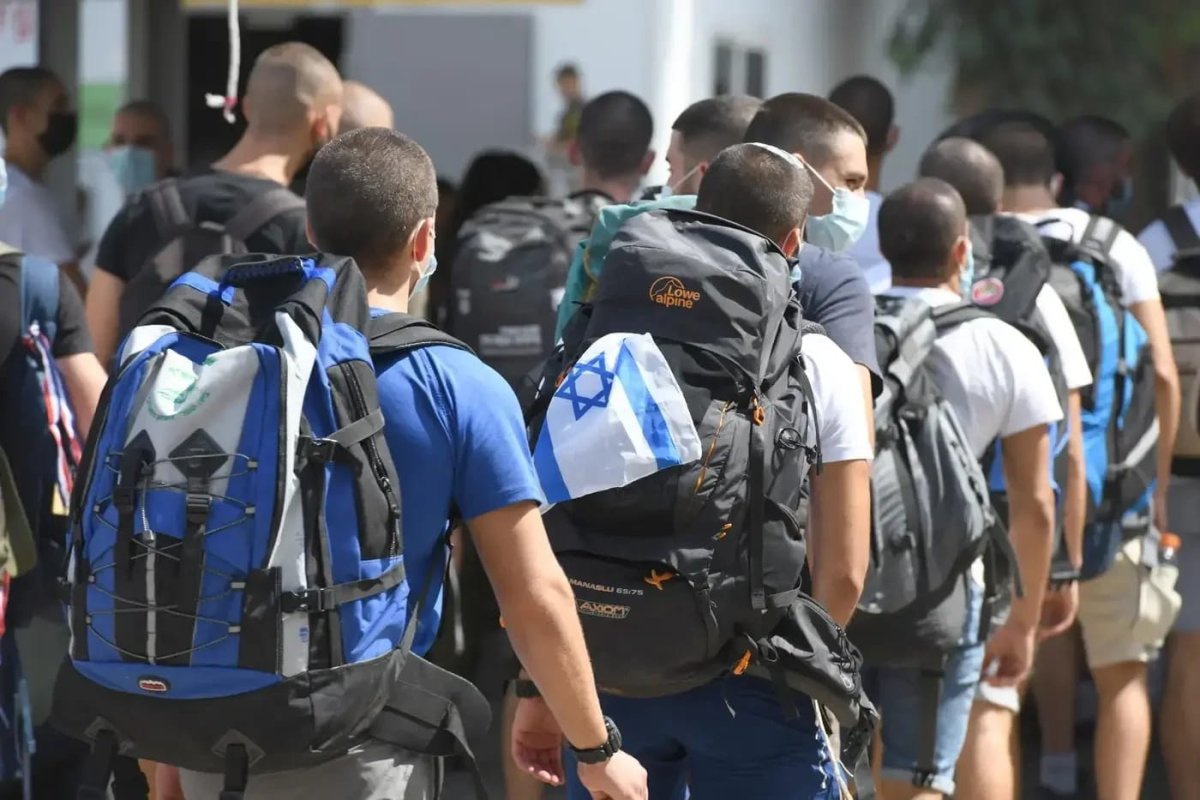
The pre-army preparation sector in Israel has grown into a substantial commercial activity that touches thousands of families each year. Reports in the Jerusalem Post highlight how courses focused on DAPAR test preparation, interview coaching and combat fitness training now operate across Tel Aviv, Jerusalem and the Tel Hashomer area. These programs target youth aged 17 to 18 in the months before mandatory enlistment, creating a structured pathway that many view as essential for competitive placement within the IDF. The industry is estimated to be worth billions of shekels annually, reflecting both demand and the willingness of families to invest in perceived advantages.
Activity centers around established locations where IDF recruitment processes are concentrated. Tel Hashomer serves as a primary induction point, while facilities in Tel Aviv and Jerusalem offer convenient access for central-region residents. The IDF Personnel Directorate manages overall placement procedures, yet the preparatory courses function independently, filling a gap between civilian life and military service. This expansion occurs against the backdrop of ongoing security requirements that shape Israeli society and economy, where military service remains a central rite of passage for most Jewish citizens.
Observers note that the sector’s growth mirrors broader economic trends in which private services supplement state-provided frameworks. While the IDF continues to set enlistment standards, the proliferation of paid programs indicates that families increasingly seek external support to navigate the system. This development raises questions about how preparation opportunities distribute across different regions and income levels, particularly as national security considerations continue to influence public priorities.
Breakdown of Typical Course Costs — what families actually pay
Families report spending several thousand shekels on combinations of DAPAR test preparation, interview coaching and combat fitness training. Individual modules often range from a few hundred to over a thousand shekels each, with full packages reaching several thousand shekels depending on duration and location. Programs in Tel Aviv and Jerusalem tend to command higher fees due to demand and operating costs, while sessions near Tel Hashomer attract participants preparing for immediate induction procedures.
Many households spread payments across multiple months, sometimes drawing on savings or extended family support. The Jerusalem Post coverage indicates that these expenses accumulate quickly when families enroll in several parallel courses to cover different aspects of the selection process. Combat fitness training, for instance, may require repeated sessions over weeks, adding to the total outlay before a recruit even reaches an IDF base.
Payment structures vary, with some providers offering limited discounts or installment plans. Nevertheless, the cumulative financial commitment remains significant for households already managing other pre-enlistment needs such as medical examinations and equipment purchases. This pattern of expenditure illustrates how private preparation has become an embedded feature of the transition to military service, affecting budgeting decisions in the period leading up to enlistment at facilities like Tel Hashomer.
Socioeconomic Pressures — how this affects different communities
Lower-income families experience the financial demands of pre-army preparation more acutely than higher-income households. The Jerusalem Post reports emphasize that costs running into thousands of shekels can strain budgets already stretched by everyday living expenses in cities such as Beersheba and Haifa. Youth from these backgrounds may forgo multiple courses, limiting their exposure to the full range of coaching available to peers in more affluent central areas.
Communities in the periphery often balance military preparation against other economic pressures, including employment and housing costs. In contrast, families in Tel Aviv and Jerusalem may absorb the same fees with less disruption. This disparity intersects with broader Israeli social structures, where military service continues to serve as a key channel for social mobility and professional networking after discharge.
The IDF Personnel Directorate oversees placement without regard to participants’ prior preparation expenditures, yet the uneven availability of courses creates practical differences in readiness. Discussions in the Knesset have occasionally touched on related equity issues, reflecting ongoing debates about how national service intersects with economic realities across diverse population groups. These pressures highlight tensions between individual family resources and collective expectations surrounding enlistment.
Impact on IDF Placement and Unit Selection — who gets ahead
Preparation courses aim to improve performance on the DAPAR test and interview stages that influence unit assignments. Participants who complete fitness training and coaching sessions often report greater confidence when appearing before selection boards at Tel Hashomer. The Jerusalem Post notes that such programs have become common among those seeking entry into competitive roles, where initial scores can shape subsequent training opportunities.
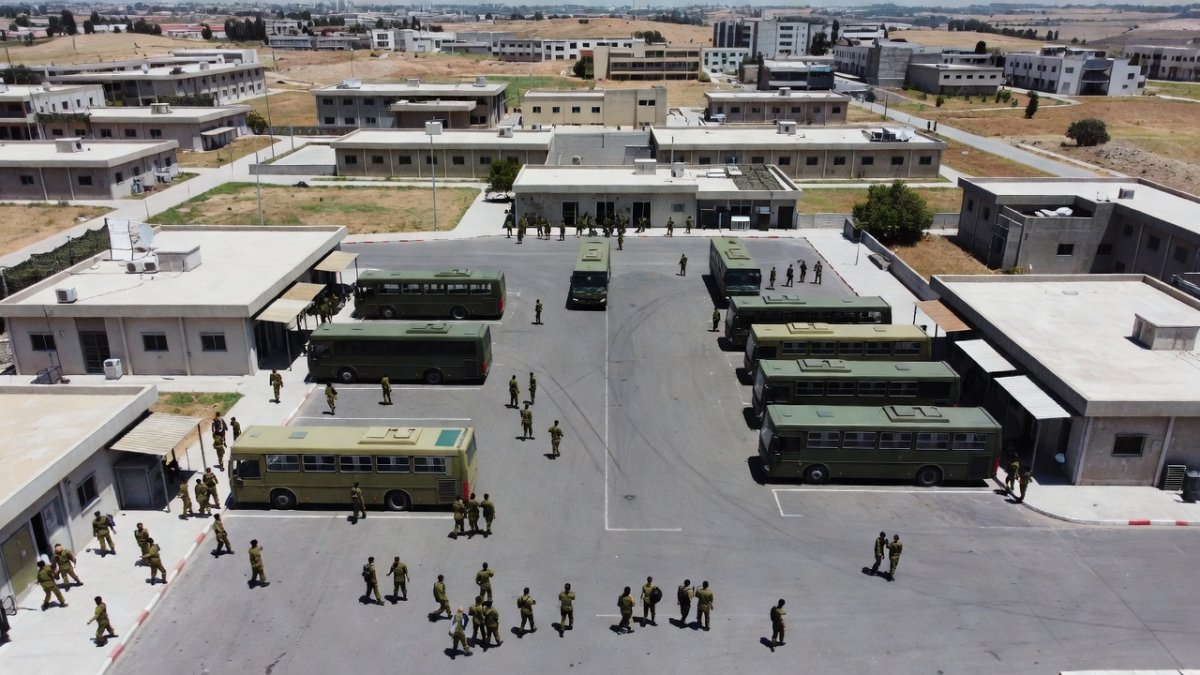
The IDF Personnel Directorate determines final placements based on standardized criteria, yet families and instructors observe that familiarity with test formats and interview expectations can affect outcomes. Youth who access multiple courses in Tel Aviv or Jerusalem may therefore enter the process with advantages not available to those relying solely on school-based guidance or self-study.
This dynamic does not alter official IDF policy but illustrates how private resources interact with institutional procedures. As security needs remain central to Israeli public life, the question of equitable access to preparatory support continues to surface in conversations about fairness within the enlistment system. The pattern suggests that financial investment can translate into differentiated starting positions even before basic training begins.
Regional Disparities — center vs periphery access
Geographic concentration of programs in Tel Aviv, Jerusalem and the Tel Hashomer vicinity creates noticeable differences in availability compared with peripheral cities such as Beersheba and Haifa. Residents of central areas can more easily attend evening or weekend sessions without extensive travel, while families in outlying regions face additional logistical costs and time commitments. The Jerusalem Post coverage indicates that this uneven distribution reinforces existing regional divides in Israeli society.
Youth in the periphery may rely on fewer local options or must travel to central facilities, increasing both direct expenses and indirect burdens such as transportation. These patterns align with wider economic disparities between the center and the periphery, where infrastructure and service density remain higher in Tel Aviv and Jerusalem. The IDF continues to draw recruits from across the country, yet preparation pathways are not uniformly accessible.
Regional differences also intersect with community structures, as some peripheral localities have smaller populations of potential participants and therefore fewer commercial providers. This situation underscores how national service, while intended to foster cohesion, can reflect and sometimes amplify spatial inequalities present in civilian life.
Broader Implications for Israeli Society — equity, national cohesion
The growth of a billion-shekel preparation industry raises questions about equity within a system that expects universal contribution to national defense. When access to DAPAR coaching and fitness training depends partly on family resources, the transition to service at Tel Hashomer or other bases can begin from unequal positions. The Jerusalem Post reports frame this development as a financial burden that falls disproportionately on lower-income households, prompting reflection on how private markets interact with public obligations.
Israeli society has long viewed military service as a unifying experience that transcends socioeconomic background. Yet the expansion of paid programs in Tel Aviv, Jerusalem and surrounding areas suggests that economic capacity now influences the quality of preparation available before enlistment. Policymakers in the Knesset and officials within the IDF Personnel Directorate face ongoing considerations about whether additional support mechanisms could mitigate these gaps.
Over time, such disparities may affect perceptions of fairness and shared responsibility. As security challenges continue to shape national priorities, maintaining broad participation across all communities remains important for social cohesion. The current landscape illustrates how economic factors can intersect with institutional processes, inviting continued examination of how preparation for service aligns with principles of equity in Israeli public life.
By Hannah Berg, Staff WriterWhat's Your Reaction?
 Like
0
Like
0
 Dislike
0
Dislike
0
 Love
0
Love
0
 Funny
0
Funny
0
 Wow
0
Wow
0
 Sad
0
Sad
0
 Angry
0
Angry
0









Comments (0)