
Argungu Fishing Festival Returns After Six-Year Hiatus
After a six-year pause, one of West Africa's most spectacular cultural events has roared back to life. The Argungu International Fishing and Cultural Festival, a UNESCO Intangible Cultural Heritage of Humanity, returned to the banks of the Matan Fada River in Kebbi State in February 2026, drawing tens of thousands of fishermen, cultural practitioners, and spectators from across
After a six-year pause, one of West Africa's most spectacular cultural events has roared back to life. The Argungu International Fishing and Cultural Festival, a UNESCO Intangible Cultural Heritage of Humanity, returned to the banks of the Matan Fada River in Kebbi State in February 2026, drawing tens of thousands of fishermen, cultural practitioners, and spectators from across Nigeria and beyond for four days of competition, celebration, and community.
Nigeria's Argungu Fishing Festival Returns in Spectacular Fashion After Six-Year Hiatus
Argungu, Kebbi State, Nigeria — The 61st edition of the festival, held from February 11 to 14 2026, marked the triumphant return of a tradition that began in 1934 as a peace pact between the Sokoto Caliphate and the Kebbi Kingdom, transforming centuries of hostility into an annual celebration of unity, culture, and the bounty of the river.
A 59-Kilogram Catch and a Champion's Reward
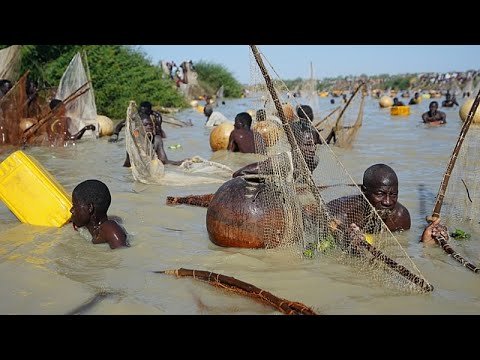
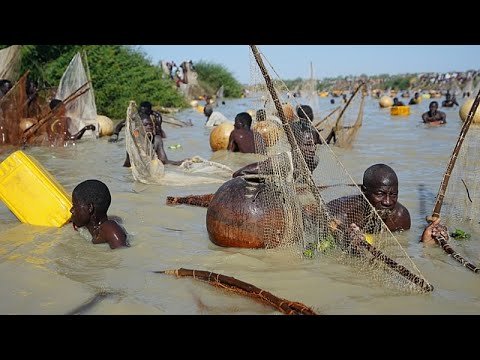
The 61st edition held February 11-14 2026 in Argungu, Kebbi State saw Abubakar Usman claim victory with a 59 kg catch that earned him a brand new car plus 10 million naira in prize money. Thousands of fishermen plunged into the Matan Fada River simultaneously using only traditional handwoven nets and gourds with no boats or modern equipment allowed during the intense opening competition.
More than 40,000 participants filled the waters at once creating a living wave of determination along the Sokoto River banks. The spectacle recalled the 2005 winning catch of 75 kg that needed four men to hoist from the river demonstrating how the 2026 edition maintained the same raw physical demands despite the long absence.
Competitors relied on bare hands and woven gourds to secure their fish while judges watched from the shore to enforce strict traditional rules. The community atmosphere remained warm and supportive with families cheering from the banks as the event unfolded over the four days.
At the presentation ceremony Governor Nasir Idris handed the top prizes to Abubakar Usman in front of cheering crowds gathered near the Kanta Museum. The moment highlighted the festival's role in celebrating individual skill within a collective cultural framework that draws visitors from Lagos to Dakar.
Local elders noted that the intensity of the competition builds character and preserves techniques passed down through generations in Kebbi fishing communities. The reward structure encourages young participants to master these methods rather than turn to modern alternatives.
From Conflict to Celebration: The Festival's Historic Roots
The festival originated in 1934 ending Sokoto-Kebbi hostilities through a formal peace agreement that turned former battlegrounds into shared fishing grounds. This transformation created an enduring symbol of reconciliation that still resonates across northern Nigeria today.
After the Nigerian Civil War the event evolved into a national unity celebration that brought together communities from across the country. Its UNESCO Intangible Cultural Heritage status since 2016 has further elevated its profile on the global stage alongside other African traditions.
The four-day event spans fishing competition wrestling canoe racing and duck catching alongside cultural performances that fill the schedule from dawn until late evening. These activities take place along the Matan Fada River with the Kanta Museum serving as the main historical centre of Argungu.
Hausa traditions and Muslim fishing communities anchor the festival's identity with rituals that honour both the river and ancestral agreements. The structure ensures that every generation participates actively in preserving these customs.
Visitors from Abuja and beyond often compare the gathering to Senegal's Saint-Louis Jazz Festival where music and heritage similarly bridge divides. The Argungu event however centres on the river's bounty as its unifying force.
Community leaders emphasise that the 1934 origins continue to guide the festival's emphasis on peaceful coexistence and shared prosperity in Kebbi State.
Presidential Presence and National Recognition
President Bola Tinubu attended as Special Guest of Honour during the 2026 edition marking the highest level of federal engagement with the revived festival. His presence drew additional attention from media outlets across West Africa.
Governor Nasir Idris presented the top three fish to the President in a formal ceremony that underscored the event's political and cultural weight. First Lady Senator Oluremi Tinubu received the fish for a special meal prepared according to traditional recipes.
President Tinubu pledged to sustain the festival for national unity peace and agricultural development during his address to the assembled crowds. This commitment signals Nigeria's broader dedication to cultural heritage preservation at a time when many traditions face modernisation pressures.
The high-level government attendance elevated the profile of Kebbi State and encouraged participation from other regions including Sokoto and beyond. Such visibility helps position the festival as a cornerstone of Nigeria's cultural calendar.
Observers noted that the presidential visit mirrors how Senegal's government supports the Dakar Biennale to promote artistic exchange. Both events demonstrate how state backing strengthens local heritage on international platforms.
The recognition also highlights the festival's potential to foster agricultural development through its emphasis on river resources and sustainable fishing practices.
Music, Dance, and the Pulse of Northern Nigeria
Kabanci traditional music and dance performances accompanied the competitions throughout the four days creating an atmosphere rich with Hausa rhythms and communal joy. Durbar processions with horseback riders added regal pageantry to the daily schedule.
Agricultural shows showcased Kebbi farm products while international catapulting competitions and animal-skinning contests tested additional traditional skills. Traditional boxing and swimming competitions rounded out the athletic offerings for participants of all ages.
The festival serves as a living museum of Hausa and Kebbi heritage where every performance reinforces cultural continuity. Women play central roles in preparing food and organising cultural displays that welcome visitors from across Nigeria and the wider continent.
Intergenerational transmission of fishing knowledge occurs naturally as elders guide younger fishermen through the techniques required for success in the Matan Fada River. This passing of wisdom ensures the practices survive beyond any single edition.
Similar to how the Saint-Louis Jazz Festival in Senegal blends performance with heritage education the Argungu event uses music and dance to teach history. The result is a vibrant celebration that engages both locals and international guests.
Performers from surrounding communities joined the main stage creating a regional showcase that strengthens ties across northern Nigeria's cultural landscape.
Economic Impact and Tourism Revival
The economic boost for Argungu town and Kebbi State proved immediate with hotel bookings reaching capacity and local businesses reporting record activity during the four-day event. International coverage from Al Jazeera BBC Daily Trust and Punch attracted global attention to the revived festival.
The six-year hiatus after the last holding in 2020 had left many communities dependent on festival tourism struggling to maintain livelihoods. The 2026 return restored vital income streams for traders artisans and transport operators across the region.
The festival's role in promoting Nigeria's cultural diversity on the global stage grows stronger with each edition thanks to its UNESCO recognition. This visibility encourages further investment in infrastructure that supports cultural tourism growth.
Visitors from Lagos and Abuja joined international tourists creating a diverse crowd that spends on local crafts food and accommodation. The resulting circulation of funds supports families well beyond the event dates.
Kebbi officials noted that sustained promotion could position the festival alongside major African gatherings that draw consistent international participation. The UNESCO status provides a strong foundation for such expansion.
Local markets expanded their offerings during the festival to meet demand from the influx of spectators ensuring that economic benefits reached a wide range of small-scale vendors.
A Tradition Reborn for Future Generations
The significance of the festival's return after the hiatus lies in its reaffirmation of northern Nigeria's cultural preservation efforts. Young Nigerians now gain direct exposure to traditional fishing techniques that might otherwise fade from daily practice.
The balance between modernisation and tradition remains carefully maintained with rules that prohibit modern equipment while allowing contemporary safety measures. This approach keeps the core experience authentic yet accessible to new participants.
The festival occupies a distinct place in Nigeria's broader cultural calendar alongside events that celebrate music film and visual arts across the country. Its river-based focus offers a unique counterpoint to urban festivals in Abuja or Lagos.
Community leaders expressed a sense of hope and continuity during closing ceremonies noting that the 2026 edition has set a strong precedent for future sustainability. President Tinubu's pledge to sustain the festival for national unity peace and development reinforces this outlook.
Intergenerational participation ensures that fishing knowledge continues to flow from elders to youth strengthening community bonds in Argungu and surrounding areas. The long-term outlook appears positive with renewed government and public support.
Just as Senegal's cultural institutions work to keep traditions alive for new generations the Argungu festival now stands ready to inspire similar resilience across West Africa. Its rebirth offers a model of cultural renewal that resonates far beyond Kebbi State.
By Amara Diop, Staff Writer
This article was produced with AI-assisted research and editorial support. Reporting is based on sources cited in the article.
What's Your Reaction?
 Like
0
Like
0
 Dislike
0
Dislike
0
 Love
0
Love
0
 Funny
0
Funny
0
 Wow
0
Wow
0
 Sad
0
Sad
0
 Angry
0
Angry
0

West Africa/Sahel Correspondent at Global1.News. Dakar-based journalist covering politics, security, climate, and development across Francophone and Anglophone West Africa. Tells the stories of a region undergoing profound transformation.










Comments (0)